8 Critical Roles of a Wedding Planner for Your Main Event
Imagine spending 12 to 18 months planning the most important day of your life — only to watch it unravel because a vendor showed up late, the florist delivered the wrong flowers, or the timeline fell apart before the first dance. That single scenario is exactly why understanding the 8 Critical Roles of a Wedding Planner for Your Main Event can be the difference between a dream wedding and a disaster.
In 2026, couples are navigating a wedding landscape more complex than ever. The average couple hires 13 vendors to execute their big day [1], manages a budget that can stretch into the tens of thousands, and juggles planning responsibilities that fall unevenly — 84% of women in opposite-sex couples report carrying most of the planning load [5]. A skilled wedding planner doesn’t just take notes and make phone calls. They serve as a strategic partner, creative director, financial watchdog, and on-the-day crisis manager all rolled into one.
This article breaks down the 8 Critical Roles of a Wedding Planner for Your Main Event so you can make an informed decision about hiring one — and know exactly what to expect when you do.
Key Takeaways
- 🎯 Wedding planners wear many hats — from budget manager to day-of coordinator — and each role directly impacts your event’s success.
- 💰 Full-service planners cost an average of $4,100, representing about 4% of a couple’s total wedding budget [2].
- 🤖 AI tools are now used by 54% of couples for planning tasks, but planners remain essential for validation, final decisions, and human judgment [5].
- 🤝 Personality and responsiveness matter most — 50% of couples choose a planner based on personality fit, and 52% cite responsiveness as a trust-builder [1].
- 📈 The global wedding planning market is projected to reach $320.06 billion by 2025, growing at 7.17% annually through 2033 [4] — a sign of just how valuable professional planning has become.
Why the 8 Critical Roles of a Wedding Planner Matter More Than Ever
Before we dive into each role, let’s set the stage. Wedding planning is not a single job — it’s a portfolio of responsibilities that spans months of preparation and culminates in one high-stakes day. The global wedding planning services market is on a significant growth trajectory, projected to reach $320.06 billion by 2025 and continuing to expand at a 7.17% CAGR through 2033 [4]. That growth reflects a simple truth: couples recognize the value of professional guidance.
“A great wedding planner isn’t a luxury — they’re the architect of your most important day.”
At the same time, technology is reshaping the industry. AI adoption in wedding planning reached 54% in 2026, representing a 150% year-over-year growth [5]. Couples are using AI to draft timelines, generate seating charts, and find creative inspiration. But here’s the catch — they still rely on planners to validate those details and make final calls. That human layer of expertise is irreplaceable.
Understanding the 8 Critical Roles of a Wedding Planner for Your Main Event helps you see why this professional is worth every penny of that average $4,100 investment [2].
The 8 Critical Roles of a Wedding Planner for Your Main Event
1. Budget Architect and Financial Guardian

Money is one of the biggest sources of wedding stress. A wedding planner’s first and most foundational role is helping you build — and stick to — a realistic budget.
What this looks like in practice:
- Creating a detailed line-item budget from day one
- Tracking deposits, payment schedules, and final balances
- Identifying where you can save without sacrificing quality
- Flagging hidden costs like gratuities, overtime fees, and delivery charges
Couples typically allocate 4% of their total wedding budget to their planner [2]. That investment often pays for itself. A seasoned planner knows which vendors offer the best value, which contracts have unfavorable terms, and where couples commonly overspend.
| Service Type | Average Cost (2025) |
|---|---|
| Full-Service Wedding Planner | $4,100 |
| Day-of Coordinator | $1,400 |
| Destination Wedding Planner | $2,400 |
Source: [2]
Think of your planner as a financial guardian who keeps your dream wedding from becoming a financial nightmare.
2. Vendor Sourcing and Relationship Manager

With an average of 13 vendors involved in a single wedding [1], managing those relationships is practically a full-time job. Your planner handles this with expertise.
Key vendor management tasks include:
- Researching and vetting photographers, caterers, florists, DJs, officiants, and more
- Negotiating contracts and pricing on your behalf
- Maintaining communication schedules with each vendor
- Ensuring all vendors have the correct timeline, location details, and access instructions
A planner’s existing vendor relationships are a hidden goldmine. They know who is reliable, who delivers on promises, and who to avoid. That insider knowledge is something no online review site can fully replicate.
“Your planner’s Rolodex is one of the most valuable things you’re paying for.”
50% of couples choose their planner based on personality fit, and 52% cite responsiveness as a key trust factor [1]. Those same qualities — warmth, reliability, and clear communication — are what your planner brings to every vendor relationship on your behalf.
3. Creative Director and Vision Translator
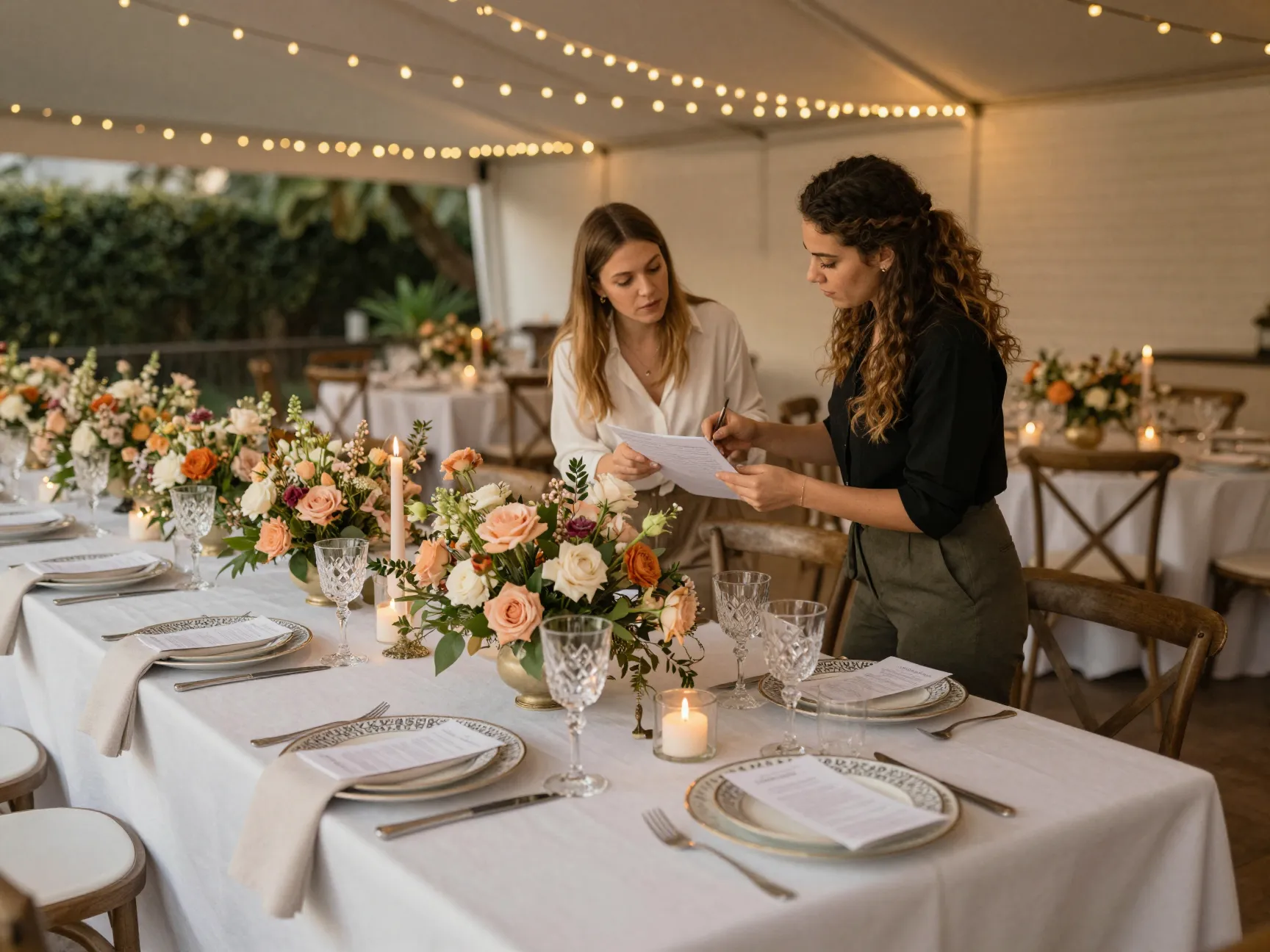
You have a Pinterest board, a color palette, and a vague sense of the “vibe” you want. Your planner’s job is to turn that into a cohesive, executable design concept.
This role includes:
- Translating your aesthetic preferences into a clear design brief
- Coordinating with florists, rental companies, and decorators
- Ensuring visual consistency across all elements (invitations, table settings, lighting, floral arrangements)
- Suggesting creative solutions when your first-choice ideas exceed the budget
In 2026, many couples use AI tools for creative inspiration — generating mood boards, color palettes, and layout ideas [5]. A planner’s role here is to take that raw inspiration and apply real-world knowledge: What flowers are in season? Which rental company has the best inventory? What lighting setup will photograph well?
The result is a wedding that doesn’t just look good on a screen — it looks stunning in person.
4. Timeline Architect and Logistics Coordinator

A wedding day has hundreds of moving parts. Without a master timeline, even the smallest delay can cascade into chaos.
Your planner builds and manages:
- A minute-by-minute day-of timeline for the couple, wedding party, and all vendors
- Transportation schedules for the couple, family, and guests
- Ceremony and reception flow (processional order, first dance timing, cake cutting, toasts)
- Buffer time for unexpected delays
Here’s a simple example of what a partial wedding day timeline looks like:
| Time | Activity | Responsible Party |
|---|---|---|
| 10:00 AM | Hair & makeup begins | Bridal party |
| 12:30 PM | Photographer arrives | Photographer |
| 2:00 PM | First look photos | Couple + Photographer |
| 4:30 PM | Ceremony begins | Officiant + Planner |
| 5:15 PM | Cocktail hour starts | Caterer + DJ |
| 6:30 PM | Reception doors open | Planner + Venue |
A skilled planner doesn’t just create this document — they own it on the day. They are the single point of contact for every vendor, ensuring everyone is where they need to be, when they need to be there.
5. Workload Distributor and Stress Reducer

Here’s a statistic that should resonate with a lot of readers: among opposite-sex couples, only 13% split wedding planning equally [5]. The remaining 87% experience a significant imbalance — with 84% of women reporting they carry most of the load.
That’s not just unfair — it’s exhausting. And it can put real strain on a relationship during what should be an exciting time.
A wedding planner directly addresses this by:
- Taking on the bulk of research, communication, and administrative tasks
- Giving both partners a single point of contact instead of managing 13 separate vendor relationships
- Reducing decision fatigue by presenting curated options rather than overwhelming choices
- Providing emotional support and reassurance throughout the planning process
“Hiring a planner isn’t a sign that you can’t handle it. It’s a sign that you value your time, your relationship, and your sanity.”
This role is often underappreciated but deeply impactful. The mental load of wedding planning is real, and a great planner lifts it.
6. Contract Reviewer and Legal Safeguard

Wedding contracts can be dense, confusing, and full of clauses that favor the vendor. Most couples sign them without fully understanding what they’ve agreed to.
A wedding planner helps by:
- Reviewing vendor contracts before you sign
- Identifying unfavorable cancellation or force majeure clauses
- Ensuring payment schedules and deliverables are clearly defined
- Advising on what to negotiate or push back on
This role becomes especially critical when things go wrong. If a vendor cancels last minute or fails to deliver, your planner knows exactly what your contract says — and how to respond.
Key contract terms your planner will watch for:
- Cancellation and refund policies
- Overtime and additional fee structures
- Substitution clauses (can the vendor send someone else?)
- Liability and insurance requirements
- Delivery and setup time windows
This legal safeguard role alone can save couples thousands of dollars and enormous heartache.
7. Day-of Crisis Manager and Problem Solver
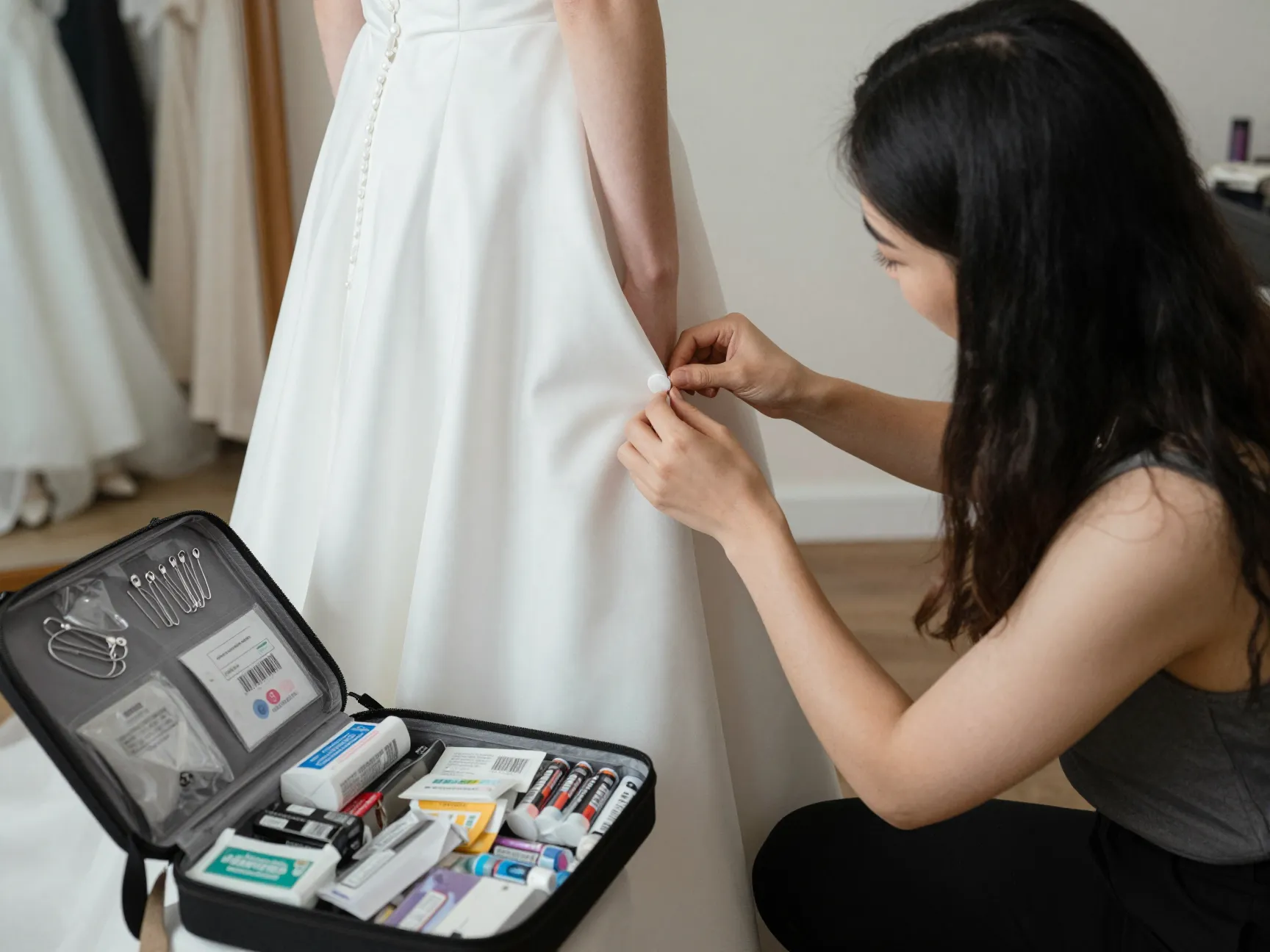
No matter how well you plan, something will go sideways on your wedding day. A button pops off the dress. The florist is stuck in traffic. The best man forgot the rings. The venue’s sound system fails.
This is where a wedding planner earns their entire fee in a single afternoon.
Your planner’s crisis management toolkit includes:
- An emergency kit (safety pins, stain remover, pain relievers, extra batteries, sewing supplies)
- Backup vendor contacts for every major service
- The ability to make fast decisions without involving the couple
- Calm, professional communication under pressure
The goal is simple: you should never know a problem occurred. Your planner handles it quietly, efficiently, and without adding to your stress.
“The best wedding planners are invisible problem-solvers. If you didn’t know anything went wrong, they did their job perfectly.”
This is the role that most couples say they are most grateful for after the wedding. When you look back at your photos and videos, you’ll see joy — not the chaos your planner quietly managed behind the scenes.
8. Post-Wedding Wrap-Up and Final Coordinator
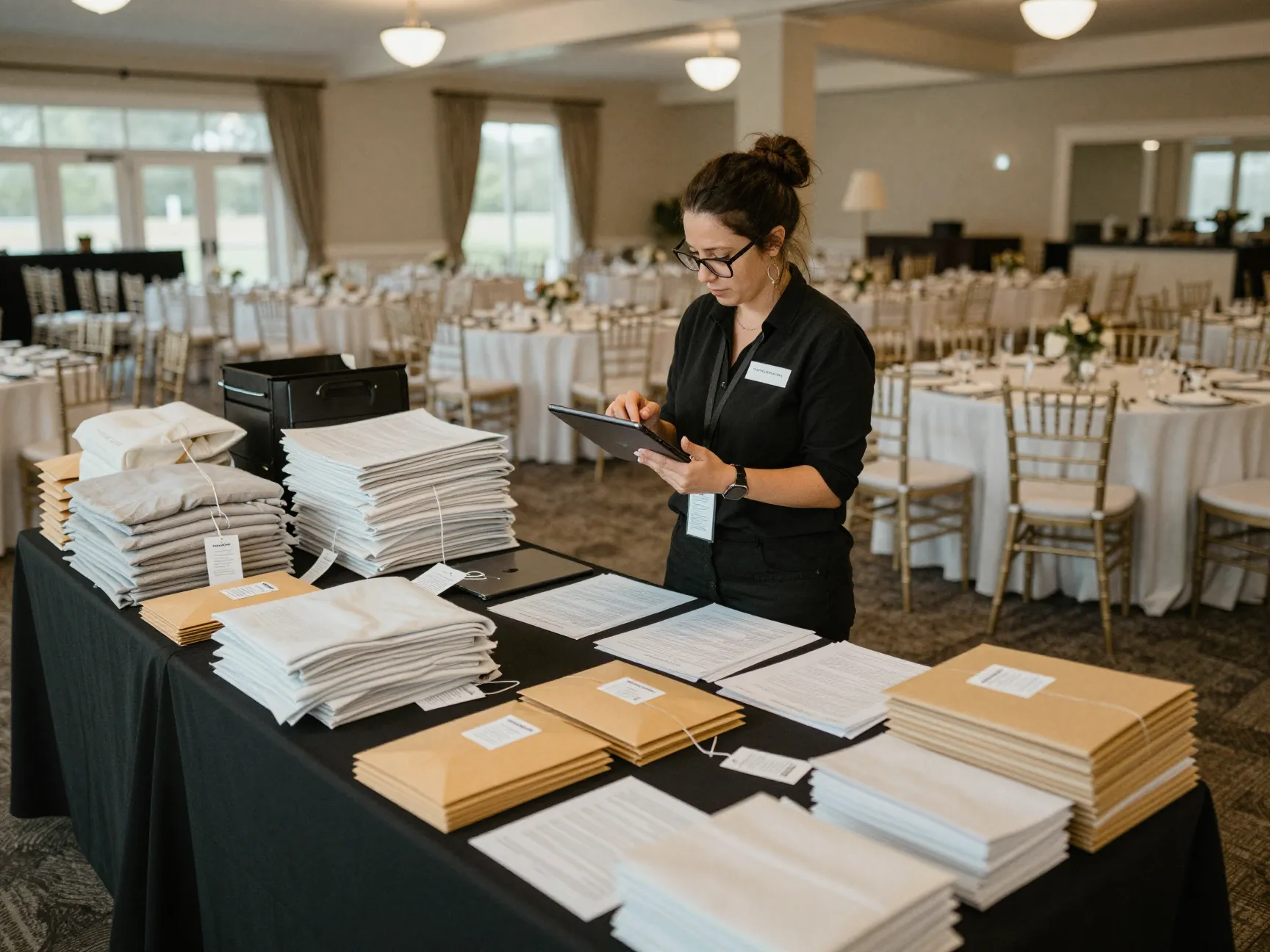
The wedding planner’s job doesn’t end when the last guest leaves the dance floor. There’s a critical post-event phase that often gets overlooked.
Post-wedding responsibilities include:
- Overseeing venue breakdown and ensuring all personal items are collected
- Coordinating the return of rentals (linens, décor, equipment)
- Confirming final payments and gratuities are distributed to vendors
- Collecting and organizing all final deliverables (contracts, receipts, vendor contacts)
- Following up on any outstanding issues (damaged items, billing discrepancies)
For destination weddings — where the average planner fee is $2,400 [2] — this wrap-up phase is even more complex, often involving international vendor coordination and travel logistics.
A thorough post-wedding wrap-up ensures that your experience ends on a high note and that no loose ends come back to cause problems weeks later.
How AI Is Changing (But Not Replacing) These 8 Critical Roles
One of the most significant shifts in 2026 is the rise of AI in wedding planning. With 54% of couples now using AI tools — a 150% jump from the previous year [5] — it’s worth addressing how technology intersects with the 8 Critical Roles of a Wedding Planner for Your Main Event.
Here’s the honest picture:
| Task | AI Can Help With | Planner Still Needed For |
|---|---|---|
| Timeline creation | Drafting initial structure | Validating logistics and vendor input |
| Budget planning | Generating templates | Negotiating real costs and contracts |
| Creative inspiration | Mood boards and ideas | Translating vision into executable plans |
| Vendor research | Generating lists | Vetting relationships and reputation |
| Crisis management | None | Real-time human judgment and action |
AI is a powerful assistant. But it cannot negotiate a contract, calm a nervous bride, or sprint to a florist’s van to retrieve a forgotten boutonniere. The human expertise of a professional planner remains essential — especially on the day itself.
How to Choose the Right Wedding Planner for Your Main Event
Knowing the 8 Critical Roles of a Wedding Planner for Your Main Event is only half the battle. Choosing the right person to fill those roles is equally important.
Key selection criteria:
- Personality fit — Does this person understand your vision and communicate in a way that feels right? (50% of couples say this is their top deciding factor [1])
- Responsiveness — Do they reply promptly and clearly? (52% of couples cite this as a trust-builder [1])
- Experience level — How many weddings have they planned? Do they have experience with your venue or vendor type?
- Service level — Do you need full-service planning, partial planning, or just day-of coordination?
- Budget alignment — Are their fees within your 4% planning budget allocation [2]?
Questions to ask in your first consultation:
- How many weddings do you manage per year?
- What is your communication style and availability?
- How do you handle vendor disputes or day-of emergencies?
- Can you provide references from recent clients?
- What does your contract include — and what’s excluded?
Conclusion: Make the Investment Count
The 8 Critical Roles of a Wedding Planner for Your Main Event — budget architect, vendor manager, creative director, timeline coordinator, stress reducer, contract reviewer, crisis manager, and post-wedding wrap-up specialist — represent a comprehensive professional service that touches every aspect of your wedding experience.
With the global wedding planning market growing rapidly [4], more couples than ever are recognizing that professional planning isn’t a luxury — it’s a strategic investment in the quality and enjoyment of one of life’s biggest milestones.
Your actionable next steps:
- Define your service level needs — full-service, partial, or day-of coordination.
- Set your planning budget — aim for approximately 4% of your total wedding budget [2].
- Interview at least three planners — prioritize personality fit and responsiveness [1].
- Ask for a detailed contract — ensure all 8 roles are clearly outlined in the scope of work.
- Start early — the best planners book up fast, especially for peak wedding season dates.
Your wedding day deserves more than good luck and crossed fingers. It deserves a professional who has mastered every one of these critical roles — and who will make sure your main event is everything you’ve ever imagined. 💍
References
[1] The Knot Worldwide Unveils 2026 Real Weddings Study – https://www.theknotww.com/press-releases/the-knot-worldwide-unveils-2026-real-weddings-study/
[2] Wedding Industry Statistics – https://saradoesseo.com/wedding-marketing/wedding-industry-statistics/
[4] Wedding Planning Service 1990858 – https://www.datainsightsmarket.com/reports/wedding-planning-service-1990858
[5] The First Look Report 2026 – https://www.zola.com/expert-advice/the-first-look-report-2026