8 Essential Pages Your Wedding Organizer Web Portal Absolutely Needs
Imagine a couple excitedly searching for their dream wedding planner online — and landing on a website that’s confusing, incomplete, or impossible to navigate. They click away in seconds. 💍 In 2026, your web portal is often the very first impression you make, and it can either win clients or lose them before you ever say hello. That is why understanding the 8 Essential Pages Your Wedding Organizer Web Portal Absolutely Needs is not just a nice-to-have — it’s a business necessity. Whether you’re building a brand-new site or refreshing an existing one, this guide walks you through every must-have page, what to include, and why it matters for both your couples and your bottom line.
Key Takeaways
- 🎯 A well-structured wedding organizer portal builds trust, generates leads, and converts visitors into paying clients.
- 📸 A portfolio/gallery page and an About page are among the highest-impact pages for emotional connection and credibility.
- 📋 Functional pages like RSVP management and registry information dramatically improve the guest experience.
- 🔍 SEO-friendly pages such as a blog and a services page help couples find you organically in search results.
- 🗺️ Venue and travel information reduces guest confusion and reflects your professionalism as an organizer.
Why Your Wedding Organizer Web Portal Matters More Than Ever
The wedding industry is fiercely competitive. In 2026, couples spend hours researching planners, comparing portfolios, and reading reviews before making a single inquiry. Your website is your digital storefront, your portfolio, and your sales pitch — all rolled into one.
A poorly structured portal doesn’t just look unprofessional. It actively costs you business. Studies of top-performing wedding planner websites consistently show that clear navigation, compelling visuals, and easy-to-find information are the pillars of a high-converting site [4].
“Your website should work as hard as you do — guiding couples from curiosity to commitment without friction.”
The good news? You don’t need a massive budget to build a powerful portal. You need the right pages, built with intention. Let’s dive into exactly what those pages are.
The 8 Essential Pages Your Wedding Organizer Web Portal Absolutely Needs
Here is a complete breakdown of every page your portal must include, along with practical tips for making each one shine.
1. Homepage — Your Digital First Impression
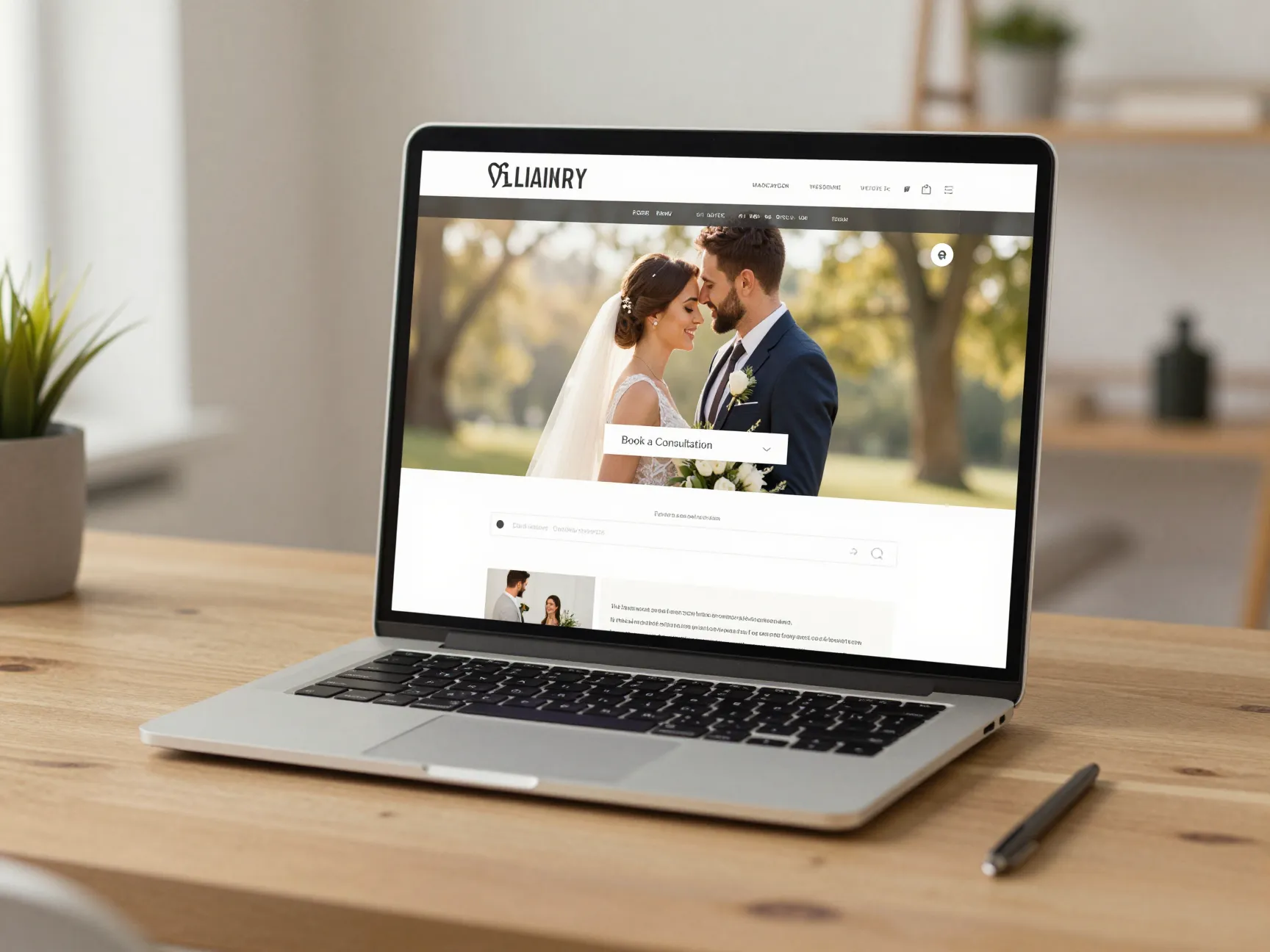
Your homepage is the most visited page on your entire website. It needs to do a lot of work in a very short time — typically within the first 3–5 seconds a visitor spends on your site.
What to include:
- A stunning hero image or video that immediately communicates your style and brand
- A clear headline that tells visitors exactly who you are and what you do
- Prominent call-to-action (CTA) buttons such as “Book a Consultation” or “View Our Work”
- Social media icons linked to your active profiles
- A short contact form or a visible link to your contact page
- Trust signals like awards, press features, or client testimonials
Successful wedding planner sites like Celebrant Greece demonstrate how displaying contact forms and social media icons prominently on the homepage makes it effortless for prospects to reach out [1]. Don’t make visitors hunt for a way to connect with you.
| Homepage Element | Purpose |
|---|---|
| Hero image/video | Emotional impact and brand identity |
| CTA buttons | Direct visitors toward conversion |
| Social media links | Build community and credibility |
| Short contact form | Reduce friction for inquiries |
| Testimonials/awards | Build immediate trust |
2. About/Story Page — The Heart of Your Brand
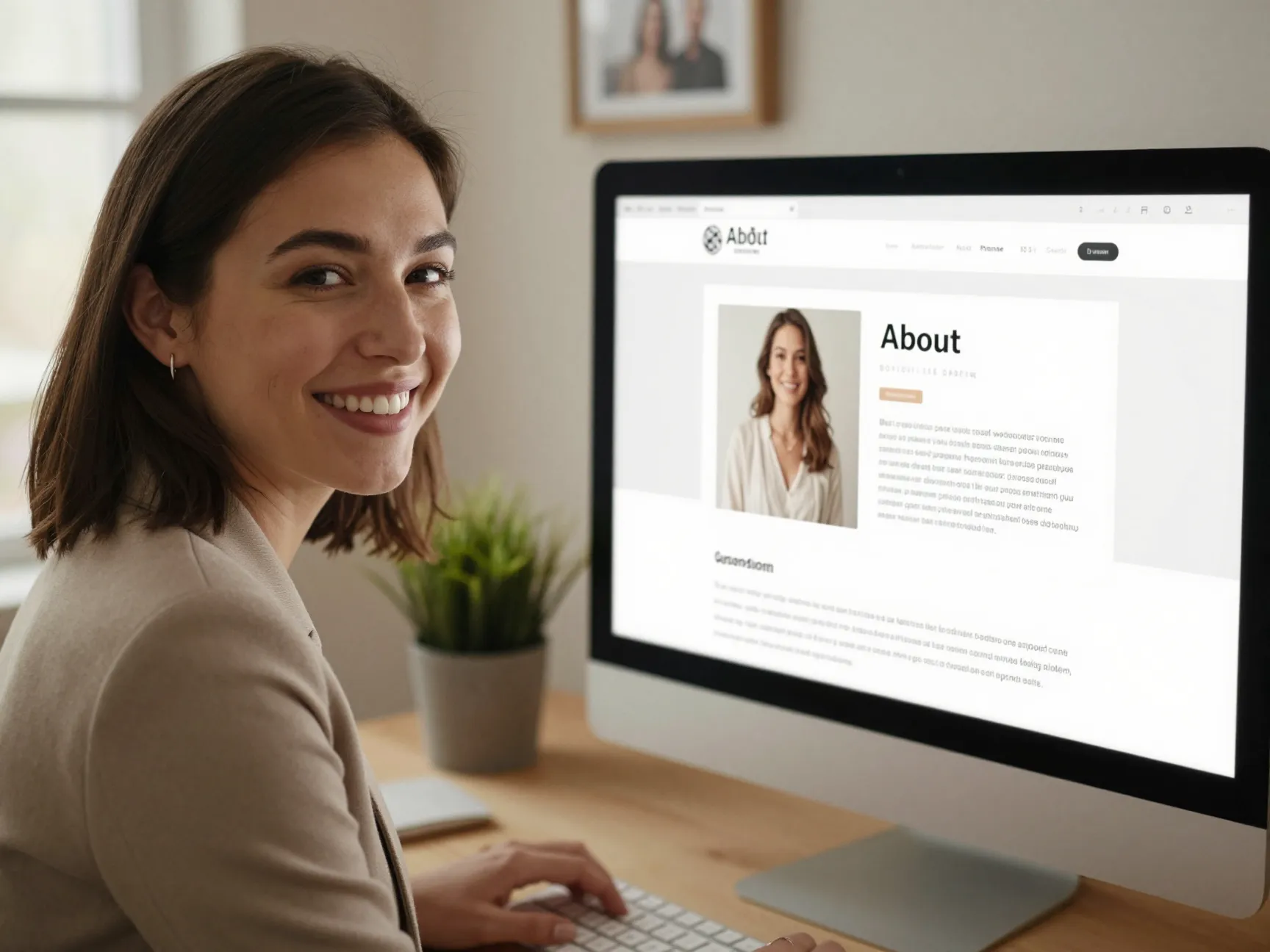
Couples don’t just hire a wedding planner. They hire a person — someone they trust with one of the most important days of their lives. Your About page is where that trust begins.
This page should feel personal, warm, and authentic. Share your journey into wedding planning, your mission, your values, and what makes your approach unique. Don’t be afraid to show your personality here [1][4].
What to include:
- Your professional story and how you got started
- Your planning philosophy and what sets you apart
- A professional photo (or a candid, approachable one)
- Your team’s bios if you work with a crew
- Your values — sustainability, inclusivity, luxury, etc.
“Couples want to feel like they already know you before they ever pick up the phone.”
A well-crafted About page differentiates your brand in a crowded market and helps couples feel emotionally connected before they even reach out [4]. Keep it genuine — avoid corporate-speak and write the way you actually talk.
3. Services Page — Tell Them Exactly What You Offer
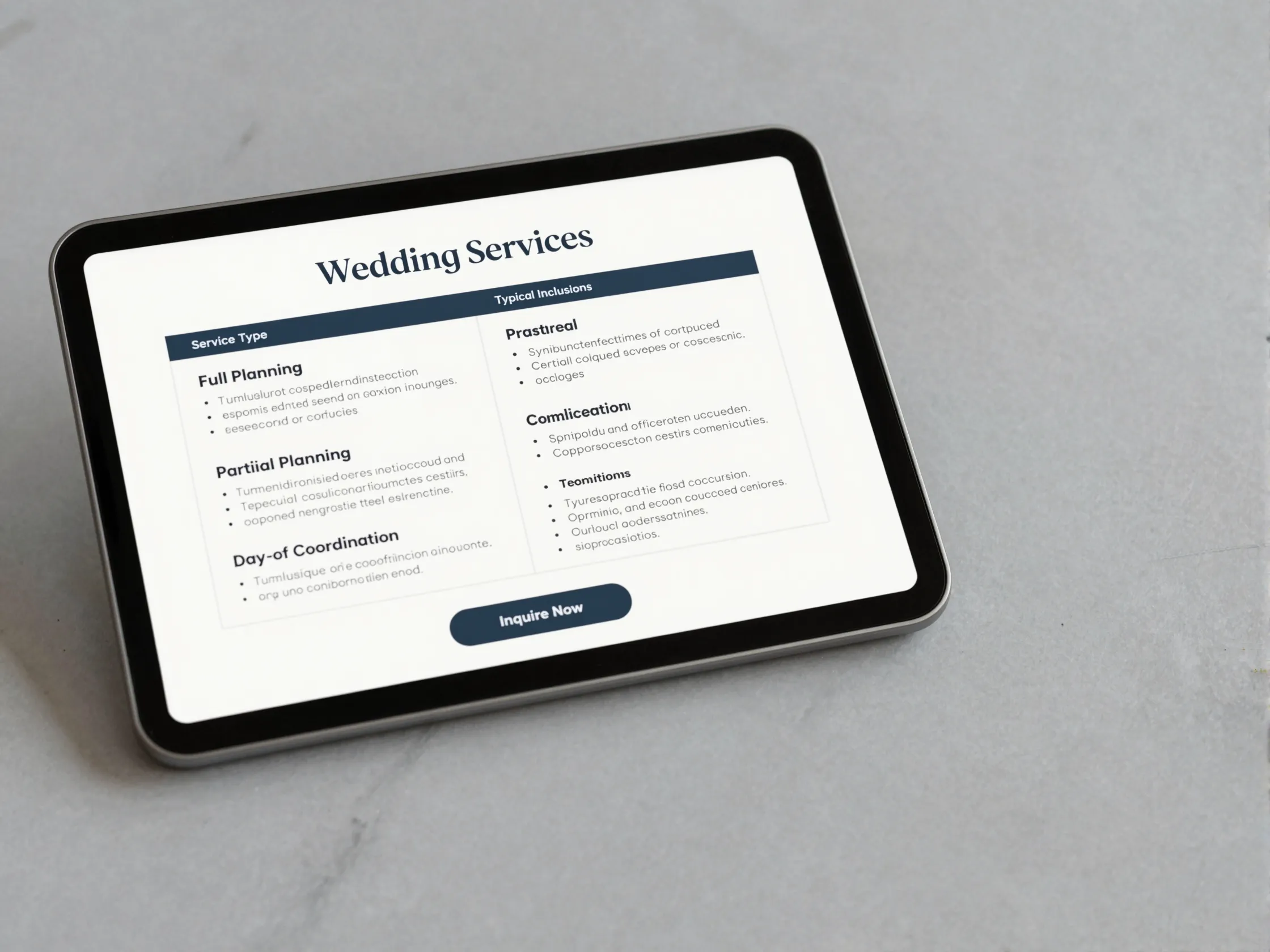
One of the most common mistakes wedding planners make is being vague about their services. If a couple can’t quickly understand what you offer and at what level, they’ll move on to a competitor who makes it crystal clear.
Your Services page should provide detailed descriptions of every package or offering you provide [4].
What to include:
- Package names and descriptions (e.g., Full Planning, Partial Planning, Day-of Coordination)
- What’s included in each package — bullet-pointed for easy scanning
- Pricing ranges or a note directing visitors to inquire (even a ballpark helps set expectations)
- FAQs specific to your services
- A CTA at the bottom of each package encouraging inquiries
| Service Type | Typical Inclusions |
|---|---|
| Full Planning | Venue sourcing, vendor management, timeline creation, day-of coordination |
| Partial Planning | Vendor recommendations, design consultation, final-week coordination |
| Day-of Coordination | Timeline management, vendor communication, ceremony/reception oversight |
Being transparent about your services builds confidence and pre-qualifies your leads — meaning the couples who reach out are already aligned with what you offer.
4. Gallery/Portfolio Page — Show, Don’t Just Tell
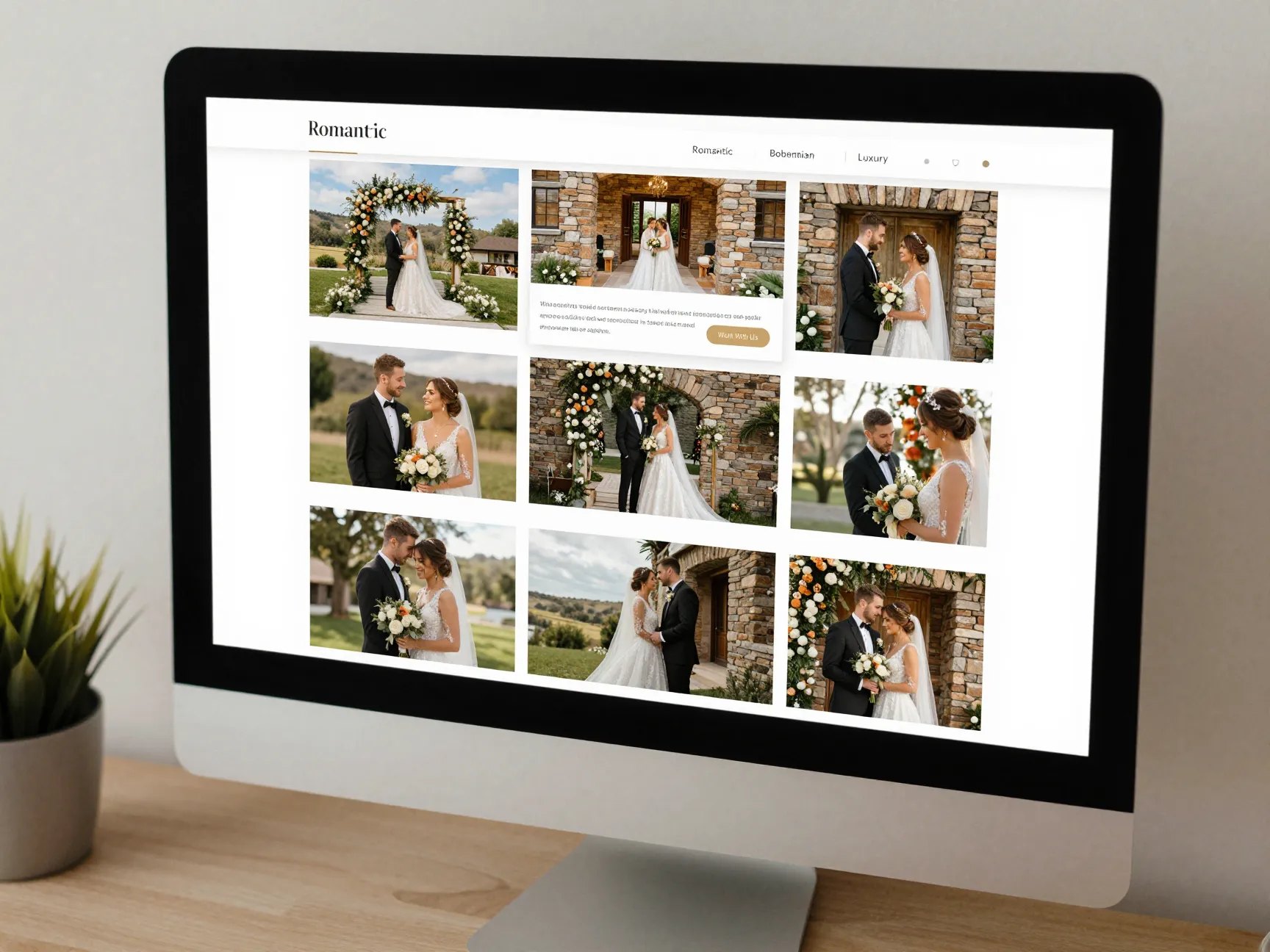
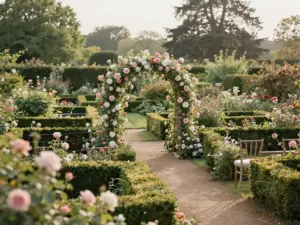
In the wedding industry, visuals sell. Your gallery or portfolio page is arguably the most powerful trust-building tool on your entire site. Couples want to see real weddings you’ve planned, styled, and executed [1][3][4].
What to include:
- High-resolution photographs from past weddings you’ve organized
- Short video highlights or full wedding films where available
- Categorized galleries by style (romantic, bohemian, luxury, etc.) or venue type
- Captions that briefly describe each wedding (location, style, vendors)
- A “Work With Us” CTA at the end of the gallery
“A single stunning gallery image can do more persuasive work than 500 words of copy.”
Make sure your images are optimized for fast loading — large, uncompressed files will slow your site and hurt your SEO. Use formats like WebP and compress without sacrificing visible quality [3].
5. Contact Page — Make It Effortless to Reach You
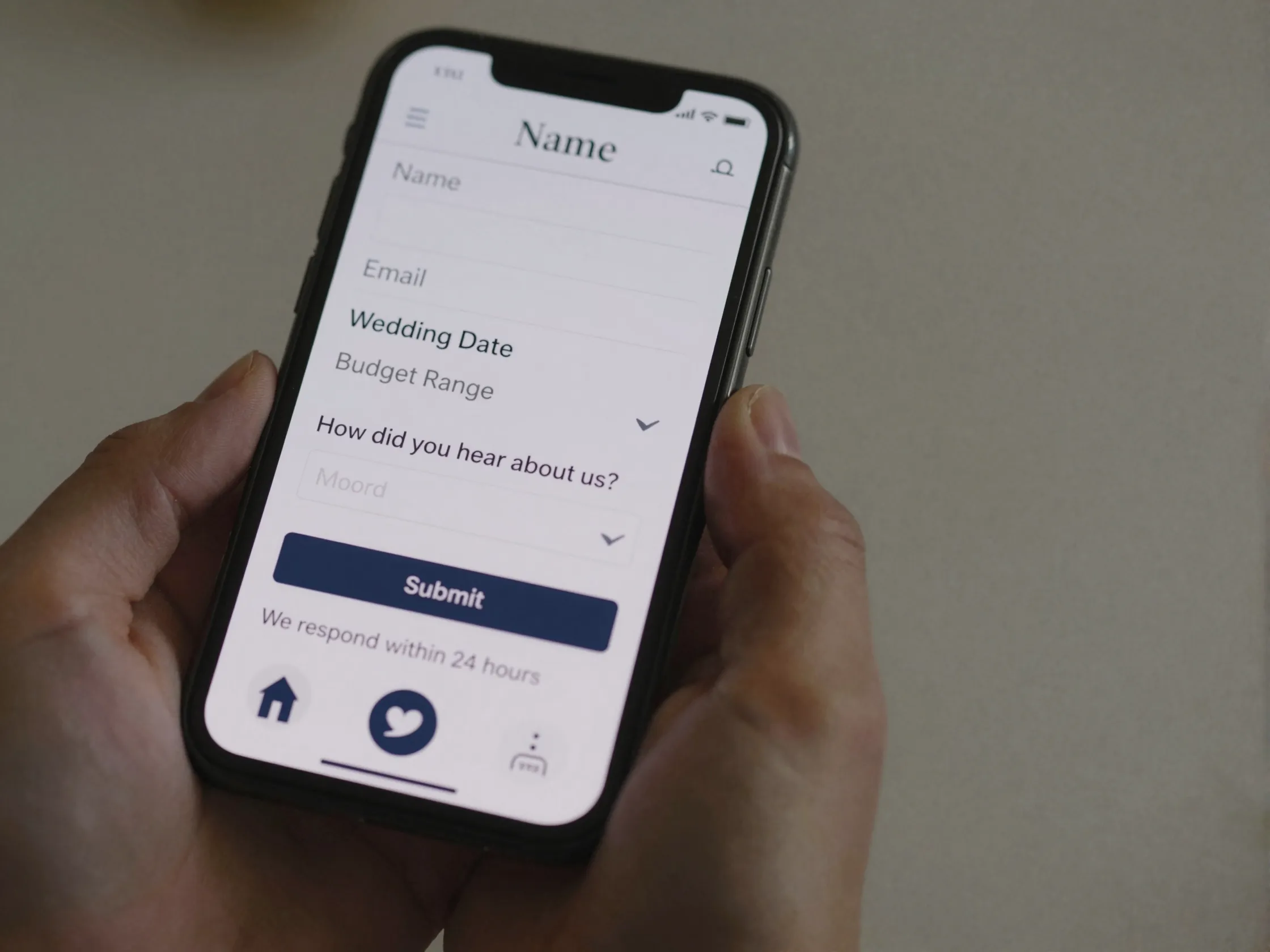
A dedicated Contact page is non-negotiable. It should be easy to find (always in your main navigation) and easy to use. The goal is simple: reduce every possible barrier between a curious visitor and a submitted inquiry [3][4].
What to include:
- A structured inquiry form with fields for name, email, wedding date, budget range, and how they heard about you
- Your email address and phone number (for those who prefer direct contact)
- Your business location or service area
- Social media links
- An expected response time (e.g., “We respond within 24 hours”)
- An optional embedded map if you have a physical studio
Keep the form short enough that it doesn’t feel overwhelming, but detailed enough to give you the information you need to respond meaningfully. A well-structured contact form ensures simple and efficient lead generation from potential couples [3].
6. RSVP and Guest Response Management Page — Streamline the Guest Experience
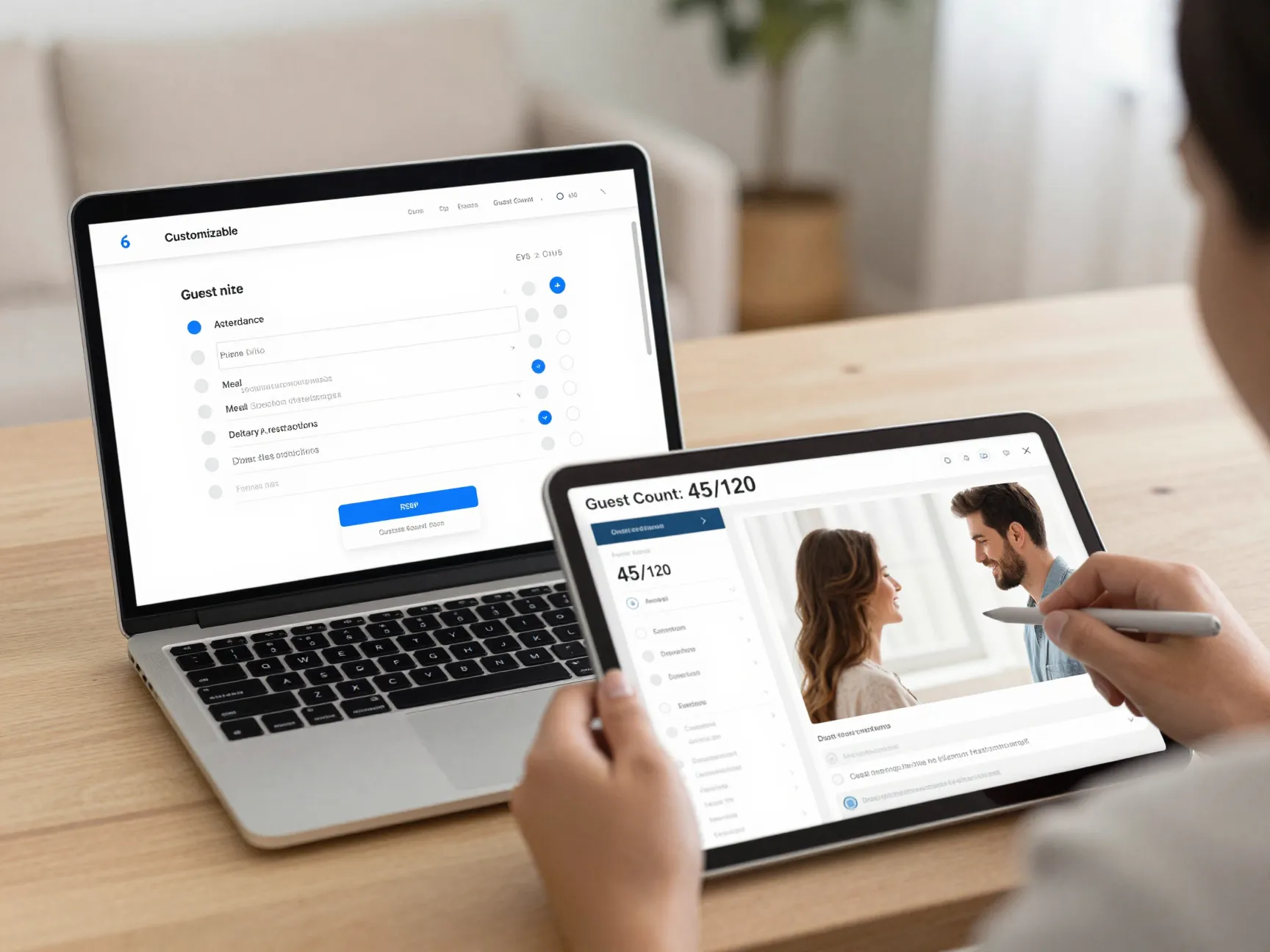
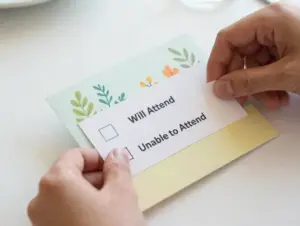
This page is especially important if your portal serves both the planning business and the individual wedding websites you create for clients. An RSVP management page transforms a logistical headache into a smooth, automated process [1][2].
What to include:
- A customizable RSVP form with fields for guest name, attendance confirmation, meal preferences, and dietary restrictions
- Automatic confirmation emails sent to guests upon submission
- Reminder functionality for guests who haven’t responded by a set date
- A guest count tracker visible to the couple in their dashboard
- Options for plus-one management
The best wedding websites offer customizable response forms that automatically track RSVPs and send reminders, saving couples hours of manual follow-up [1][2]. This feature alone can be a major selling point for your portal.
7. Registry and Gift Information Page — Make Gifting Simple
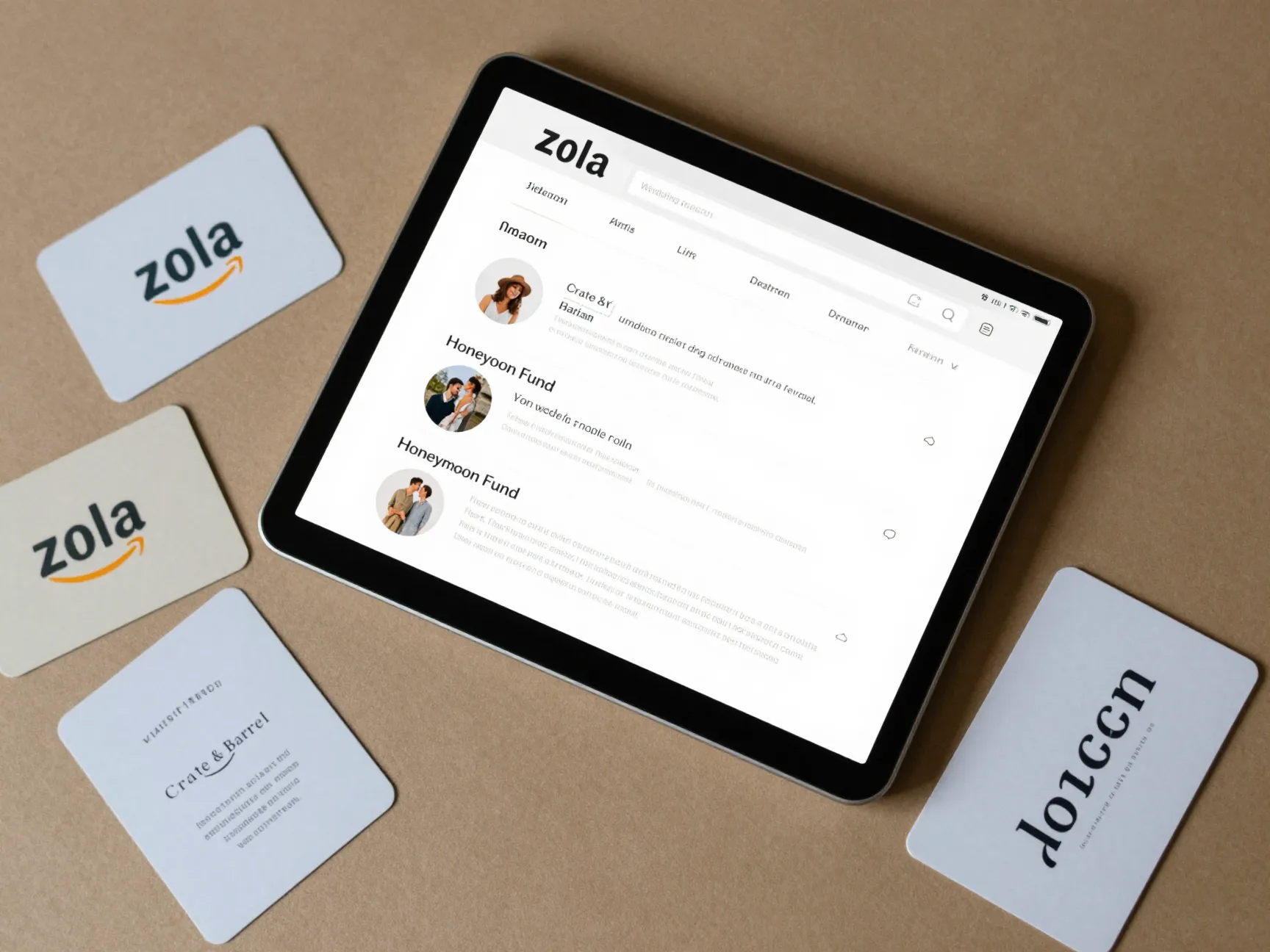
Modern couples often have multiple registries across different platforms, and guests can find it confusing to track them all down. A dedicated Registry page on your portal solves this problem elegantly [1][2].
What to include:
- Direct links to the couple’s registry on platforms like Zola, Amazon, or Crate & Barrel
- An option for guests to purchase gifts directly from the portal if integrated with a registry service
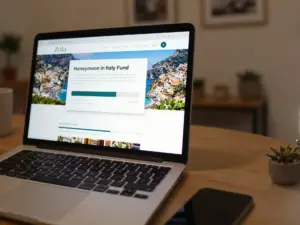
- A cash fund or honeymoon fund option for couples who prefer experiences over items
- A short message from the couple about their gifting preferences
- Clear instructions so guests know exactly what to do
“Removing confusion from the gifting process is a small touch that guests genuinely appreciate — and couples never forget.”
Including registry links and direct purchasing options makes the experience seamless for guests and reflects positively on your professionalism as an organizer [2].
8. Venue, Location, and Travel Information Page — Help Guests Arrive Stress-Free
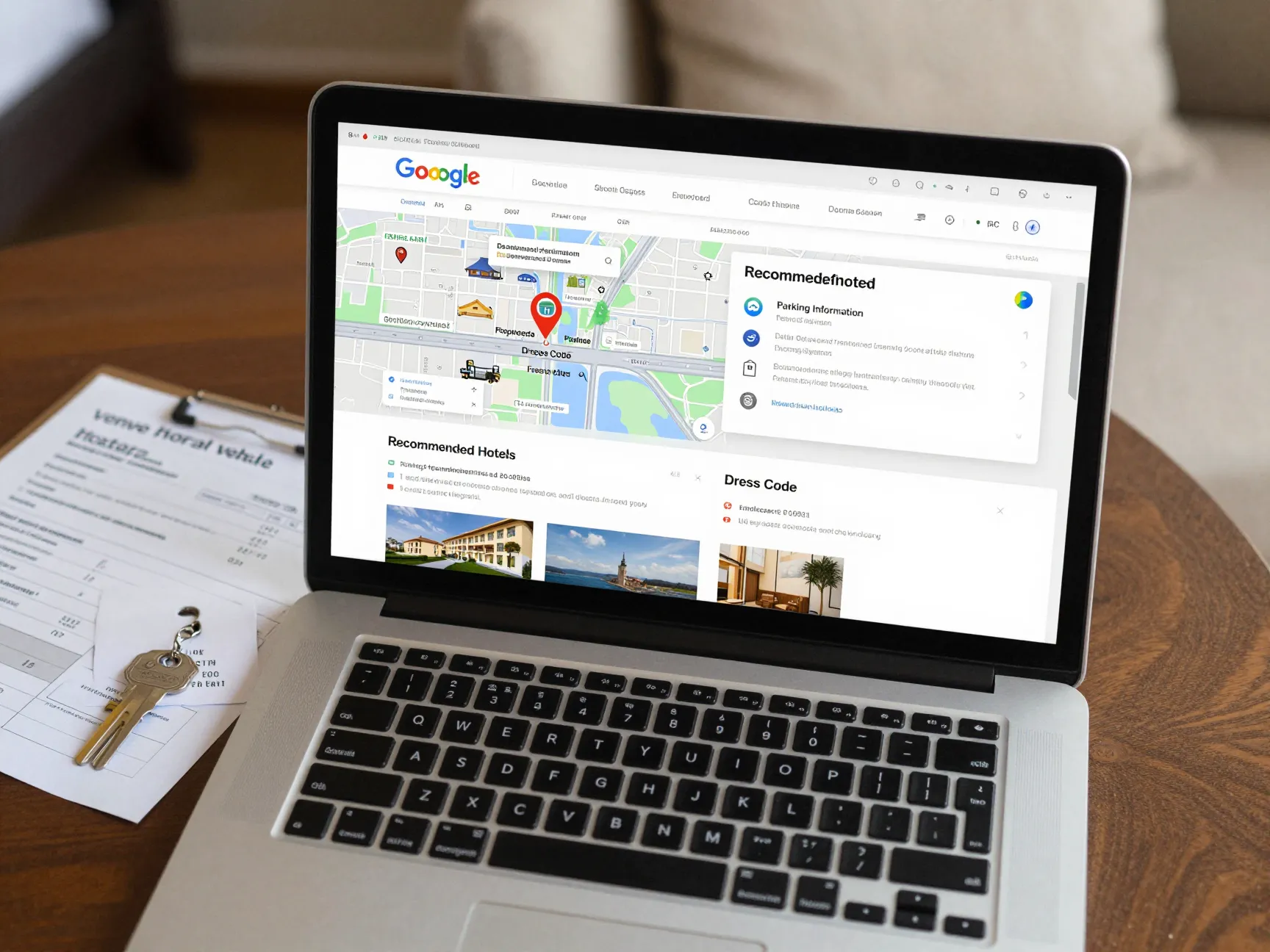
One of the most practical pages your portal can offer is a comprehensive Venue and Travel Information page. This is especially critical for destination weddings or multi-venue celebrations [1].
What to include:
- Ceremony and reception venue details — name, address, and photos
- Embedded Google Maps for easy navigation
- Parking information and transportation options (shuttle, rideshare, etc.)
- Recommended hotels and lodging near the venue, including room block details
- Airport information for out-of-town guests
- Local attractions for guests who are making a trip of it
- Dress code guidance — consider linking to or integrating a dedicated dress code section here [2]
| Information Type | Why It Matters |
|---|---|
| Venue address + map | Prevents guests from getting lost |
| Hotel room blocks | Saves guests money and keeps the group together |
| Transportation options | Reduces day-of logistics stress |
| Dress code details | Ensures guests feel confident and prepared |
This page demonstrates that you’ve thought of every detail — which is exactly the kind of professionalism that earns referrals and five-star reviews.
Bonus Pages Worth Considering
While the 8 essential pages above form the core of any high-performing wedding organizer portal, a few additional pages can elevate your site even further.
Team/Bridal Party Introduction Page
Introduce the people who will be working directly with the couple — coordinators, assistants, and key team members. Putting faces to names builds rapport and reassures couples that they’re in capable hands [1].
Blog
A regularly updated blog serves double duty: it helps couples envision their wedding day with real planning advice and wedding features, and it drives organic search traffic to your site through SEO [4]. Topics like “How to Choose a Wedding Venue in 2026” or “10 Questions to Ask Your Wedding Caterer” attract couples who are actively planning.
Dress Code Page
A standalone dress code page with fashion inspiration, example outfits, and clear guidance helps guests show up looking and feeling their best [2]. It’s a small touch that big-picture planners often overlook.
Quick Checklist: Does Your Portal Have Everything It Needs?
Use this checklist to audit your current site or plan your new one:
- ✅ Homepage with clear CTA and contact options
- ✅ About/Story page with personal narrative and values
- ✅ Services page with detailed package descriptions
- ✅ Gallery/Portfolio with high-quality images and videos
- ✅ Contact page with structured inquiry form
- ✅ RSVP/Guest response management page
- ✅ Registry and gift information page
- ✅ Venue, location, and travel information page
- ⭐ Bonus: Team introduction page
- ⭐ Bonus: Blog with planning content
- ⭐ Bonus: Dress code page
Common Mistakes to Avoid on Your Wedding Portal
Even experienced planners make avoidable errors when building their sites. Here are the biggest pitfalls to watch out for:
- Slow loading times — Large, uncompressed images are the #1 cause of slow wedding websites. Compress every image before uploading.
- No mobile optimization — Over 60% of web traffic comes from mobile devices. Your portal must look and function perfectly on a smartphone.
- Buried contact information — If a visitor has to search for how to reach you, they won’t bother.
- Outdated portfolio — An old gallery from five years ago suggests you haven’t been busy. Keep it current.
- Generic copy — “We make your dream wedding come true” is forgettable. Be specific about what makes you different.
- Missing social proof — Testimonials, reviews, and press mentions are powerful trust signals. Don’t leave them out.
Conclusion: Build Your Portal With Purpose
Understanding the 8 Essential Pages Your Wedding Organizer Web Portal Absolutely Needs is the first step toward building a site that genuinely works for your business. Each page serves a specific purpose — from generating leads and showcasing your talent to helping guests navigate logistics and simplifying the gifting process.
Here are your actionable next steps:
- Audit your current site using the checklist above and identify any missing pages.
- Prioritize your homepage and gallery — these two pages have the highest impact on first impressions.
- Write authentic copy for your About page that tells your real story.
- Set up your RSVP and registry pages to add genuine value for the couples you serve.
- Start a blog with at least 4–6 posts targeting questions your ideal couples are already searching for.
- Test your site on mobile and fix any issues before driving traffic to it.
Your web portal is never truly “finished” — it should grow and evolve alongside your business. But with these eight essential pages in place, you’ll have a solid foundation that attracts the right couples, earns their trust, and converts visitors into clients. 💐
References
[1] Best Wedding Website Examples – https://www.websiteplanet.com/blog/best-wedding-website-examples/
[2] Best Wedding Websites – https://www.theknot.com/content/best-wedding-websites
[3] Wedding Planner Website – https://mycodelesswebsite.com/wedding-planner-website/
[4] Best Wedding Planner Websites – https://www.cyberoptik.net/blog/best-wedding-planner-websites/