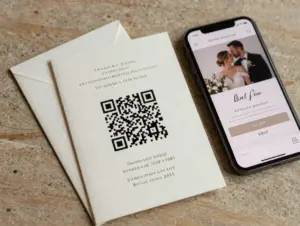
9 Classic Wedding Invitations That Are Forever in Style
Your wedding invitation is the first impression your guests receive — before the flowers bloom, before the vows are spoken, before the first dance. It sets the tone for everything that follows. And while wedding trends come and go with every season, certain invitation styles have proven they can outlast every passing fad. That’s exactly why we’re exploring the 9 Classic Wedding Invitations That Are Forever in Style — a curated guide to the timeless designs that continue to captivate couples and guests alike in 2026 and beyond.
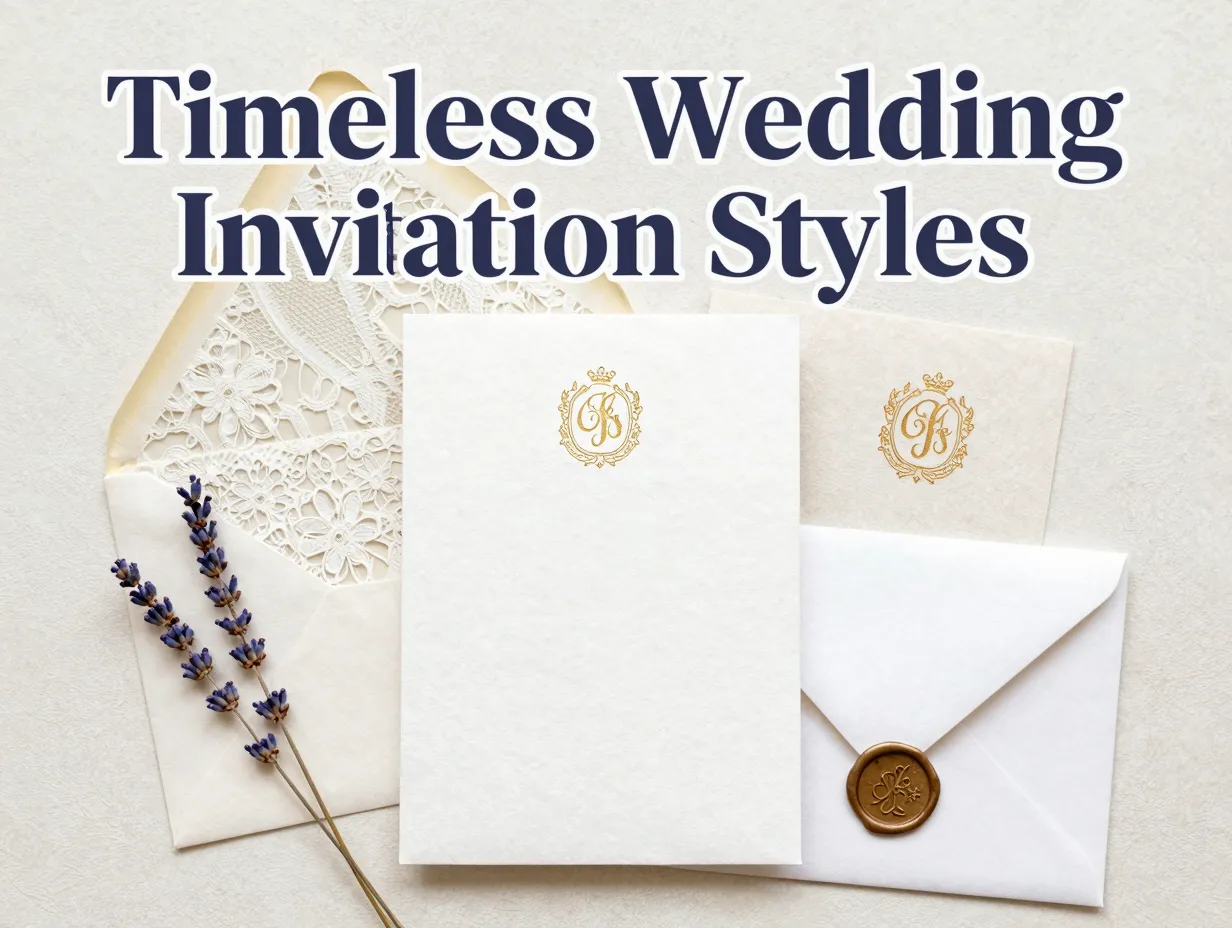
Whether you’re planning an intimate garden ceremony or a grand ballroom affair, choosing a classic invitation style means your stationery will never look dated in your wedding album. Let’s dive in.
Key Takeaways
- ✉️ Timeless beats trendy — classic invitation styles remain relevant across decades because they prioritize elegance over novelty.
- 🖋️ Formal calligraphy and serif typography are consistently ranked among the most enduring design choices in wedding stationery.
- 🏅 Monograms and custom crests elevate invitations into heirloom-worthy keepsakes that guests treasure long after the wedding day.
- 🌿 Texture and detail matter — lace-inspired borders, letterpress printing, and quality paper stocks signal luxury and thoughtfulness.
- 📐 Classic doesn’t mean boring — die-cut shapes and European-inspired ornate frames prove that traditional can still feel fresh and exciting.
Why Classic Wedding Invitations Never Go Out of Style
Trends in wedding stationery shift constantly. One year it’s bold neon colors; the next it’s minimalist black-and-white. But the 9 Classic Wedding Invitations That Are Forever in Style share something that trendy designs simply can’t replicate: staying power.
Classic invitation designs work because they tap into universal ideas of romance, elegance, and celebration. They don’t rely on a single cultural moment or aesthetic movement. Instead, they draw from centuries of formal correspondence, fine art, and craftsmanship traditions.
“The most beautiful wedding invitations are the ones that feel as meaningful decades later as they did the day they were mailed.”
In 2026, we’re seeing a strong return to these foundational styles, with couples blending traditional elements with modern printing techniques. The result is stationery that feels both deeply personal and enduringly beautiful [1][4].
Here’s a quick look at what makes a wedding invitation truly “classic”:
| Classic Element | Why It Works |
|---|---|
| Formal typography | Communicates elegance and formality |
| Quality paper stock | Signals care and attention to detail |
| Monograms or crests | Creates a personalized, heirloom feel |
| Neutral or soft color palettes | Remains visually appealing over time |
| Traditional printing methods | Adds texture and tactile luxury |
The 9 Classic Wedding Invitations That Are Forever in Style
1. Engraved Letterpress Invitations
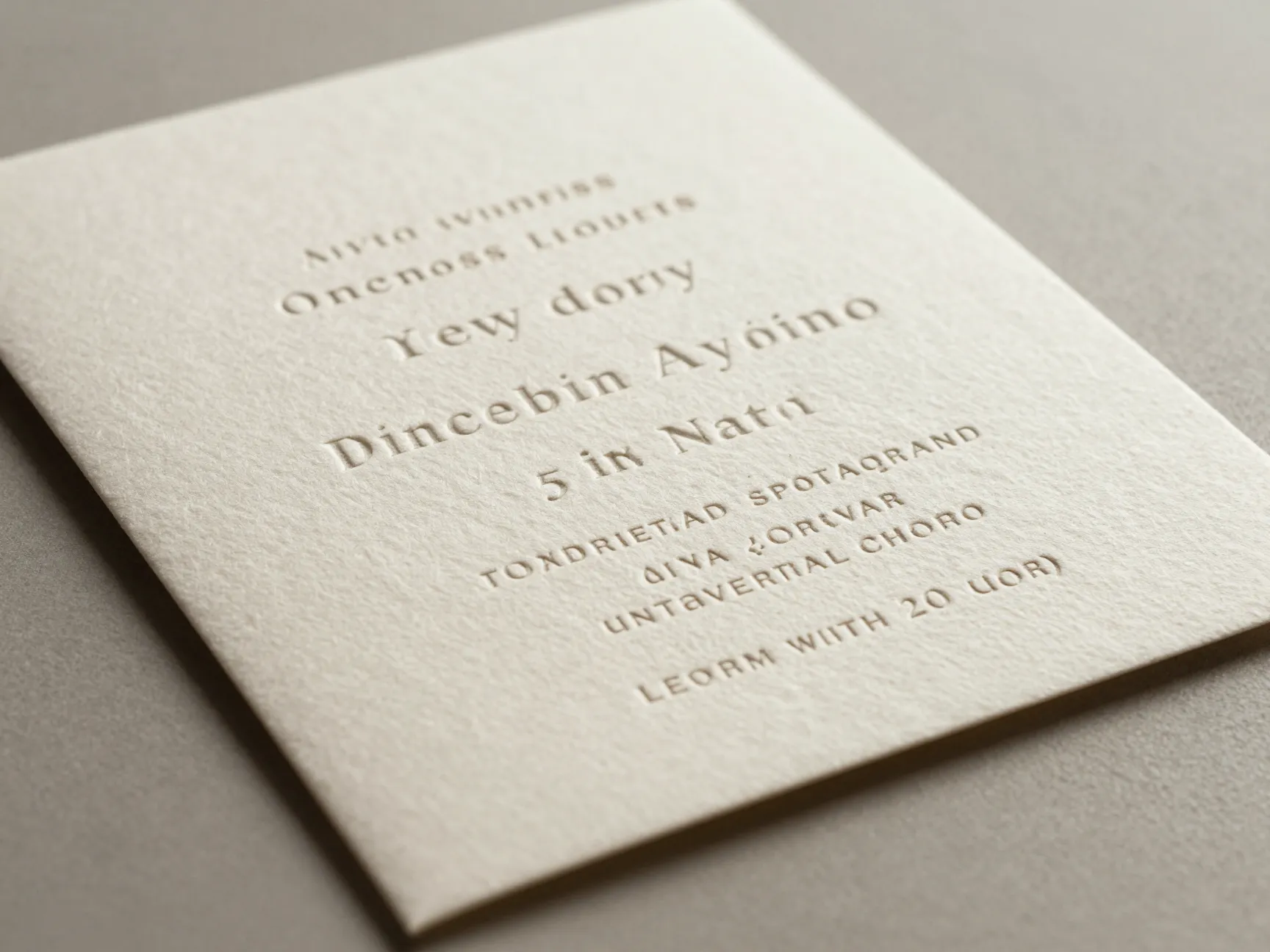
Letterpress printing is one of the oldest and most revered methods in fine stationery. The process presses type or imagery directly into thick cotton paper, creating a tactile impression that digital printing simply cannot replicate.
Couples who choose letterpress are making a statement: this wedding matters, and every detail has been considered. The slight indentation left in the paper is a physical reminder of the care that went into the invitation. In 2026, letterpress remains a top choice for couples who want their stationery to feel genuinely luxurious [6].
Best for: Black-tie affairs, traditional ceremonies, couples who value craftsmanship.
Paper tip: Pair with 100% cotton or heavyweight cardstock (at least 600gsm) for maximum impact.
2. Formal Calligraphic Typography
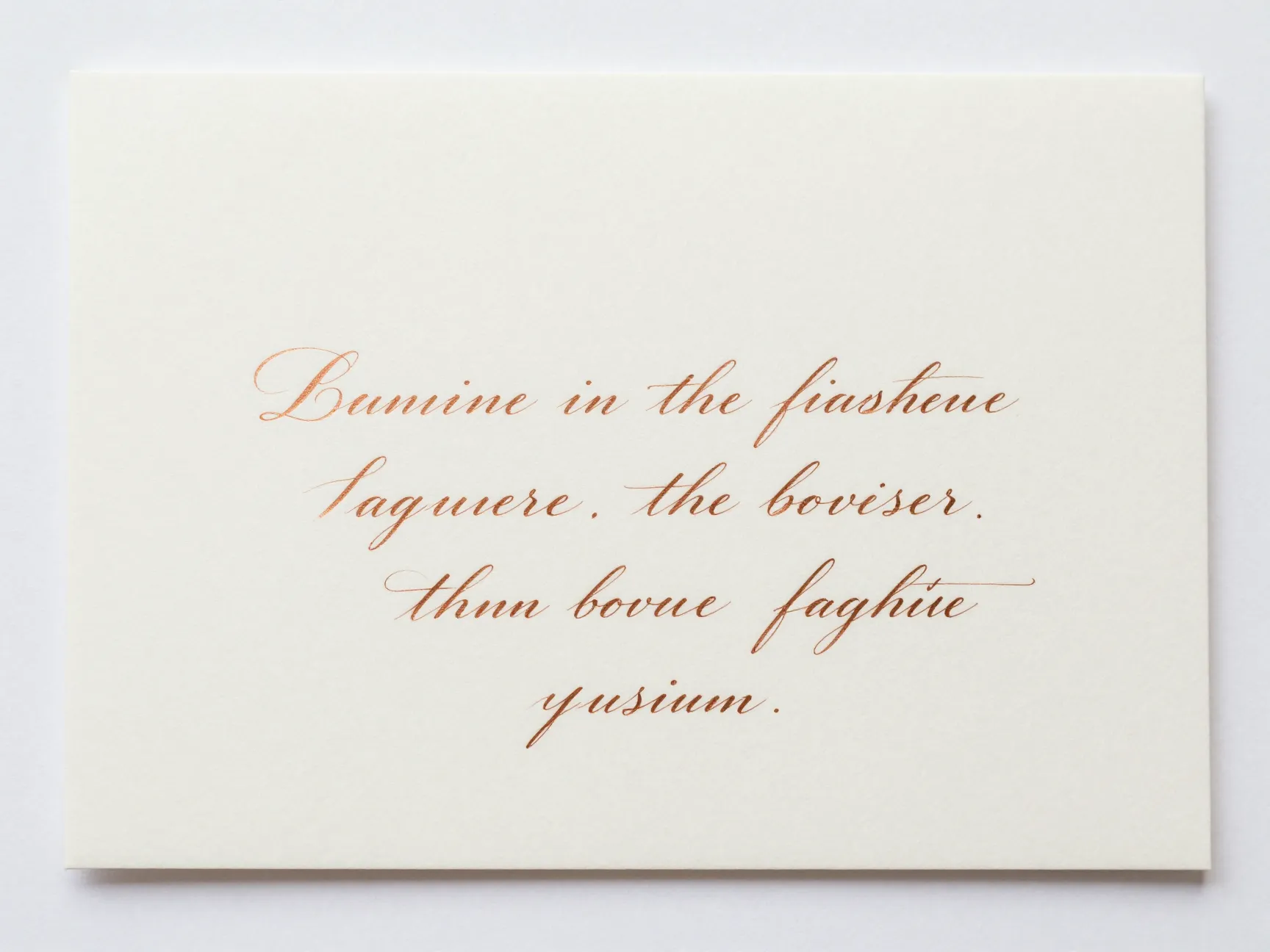
There’s a reason hand-lettered calligraphy has graced wedding invitations for centuries — it’s simply breathtaking. Whether it’s a flowing Copperplate script or an elegant Spencerian style, formal calligraphic typography communicates romance and sophistication in a way that no digital font can fully capture.
Traditional scripts and serif lettering paired with soft color palettes represent classic elegance that continues to appear in current trend forecasts [2]. In 2026, couples are embracing both authentic hand-calligraphy by professional artists and high-quality digital reproductions that honor the tradition.
Pro tip: Use calligraphy for the couple’s names and the venue, then pair with a clean serif font for the body text to create visual hierarchy without overwhelming the design.
3. Monograms and Custom Crests
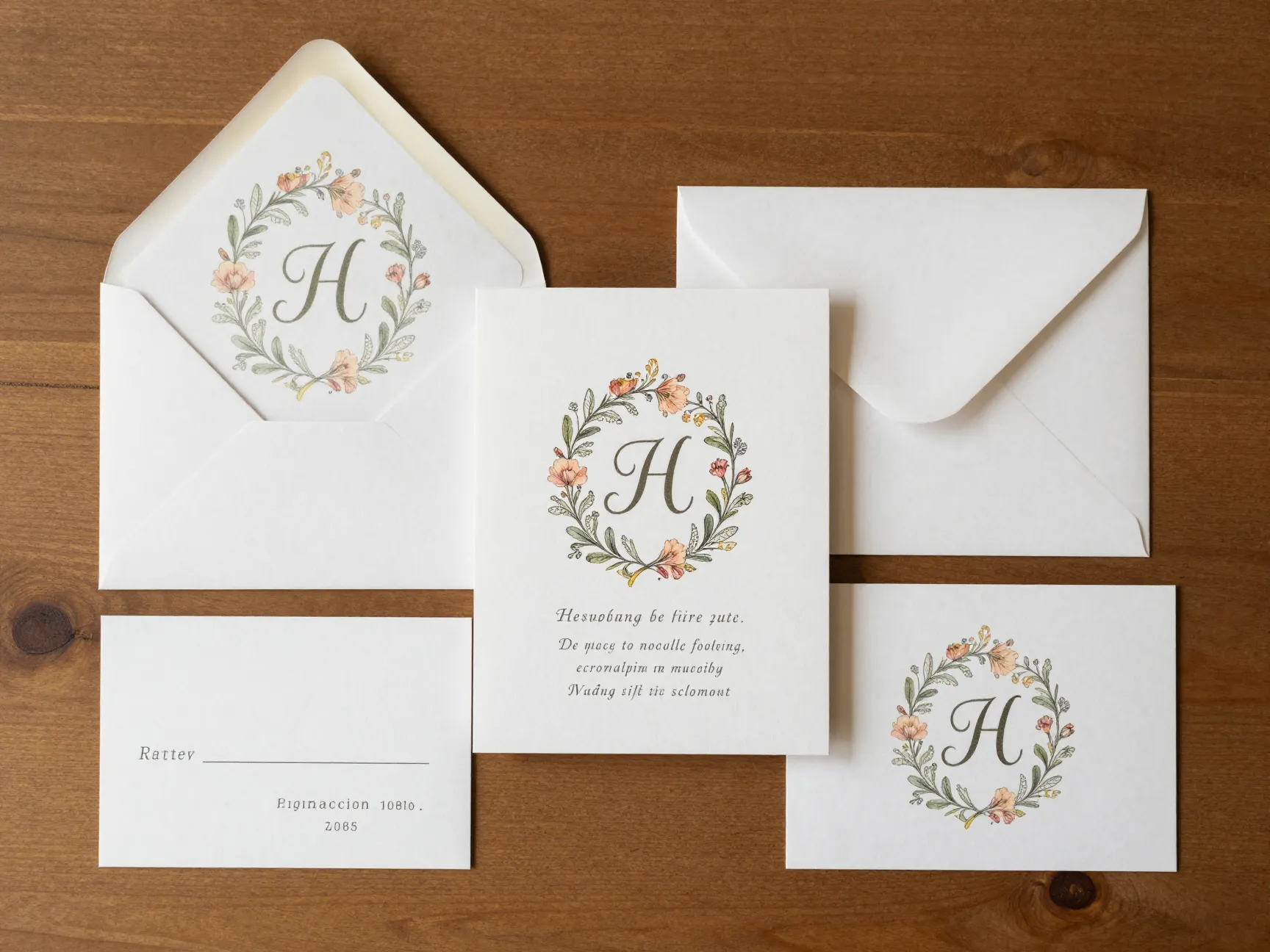
Few design elements feel as personal — or as timeless — as a beautifully crafted monogram or custom family crest. Described as “truly timeless” with popularity that “never seems to dwindle,” these personalized details transform stationery into heirloom pieces [5].
A monogram intertwines the initials of both partners into a single, elegant symbol. A custom crest goes further, incorporating meaningful imagery like florals, animals, or architectural elements that represent the couple’s story.
Why it works:
- Instantly recognizable and personal
- Can be used across the entire wedding suite (invitations, napkins, favors, thank-you cards)
- Becomes a keepsake that guests often frame or save
- Adds a sense of heritage and occasion
In 2026, custom crests are particularly popular for multi-day destination weddings where couples want to create a cohesive “brand” for their celebration [5].
4. Lace and Crochet-Inspired Details
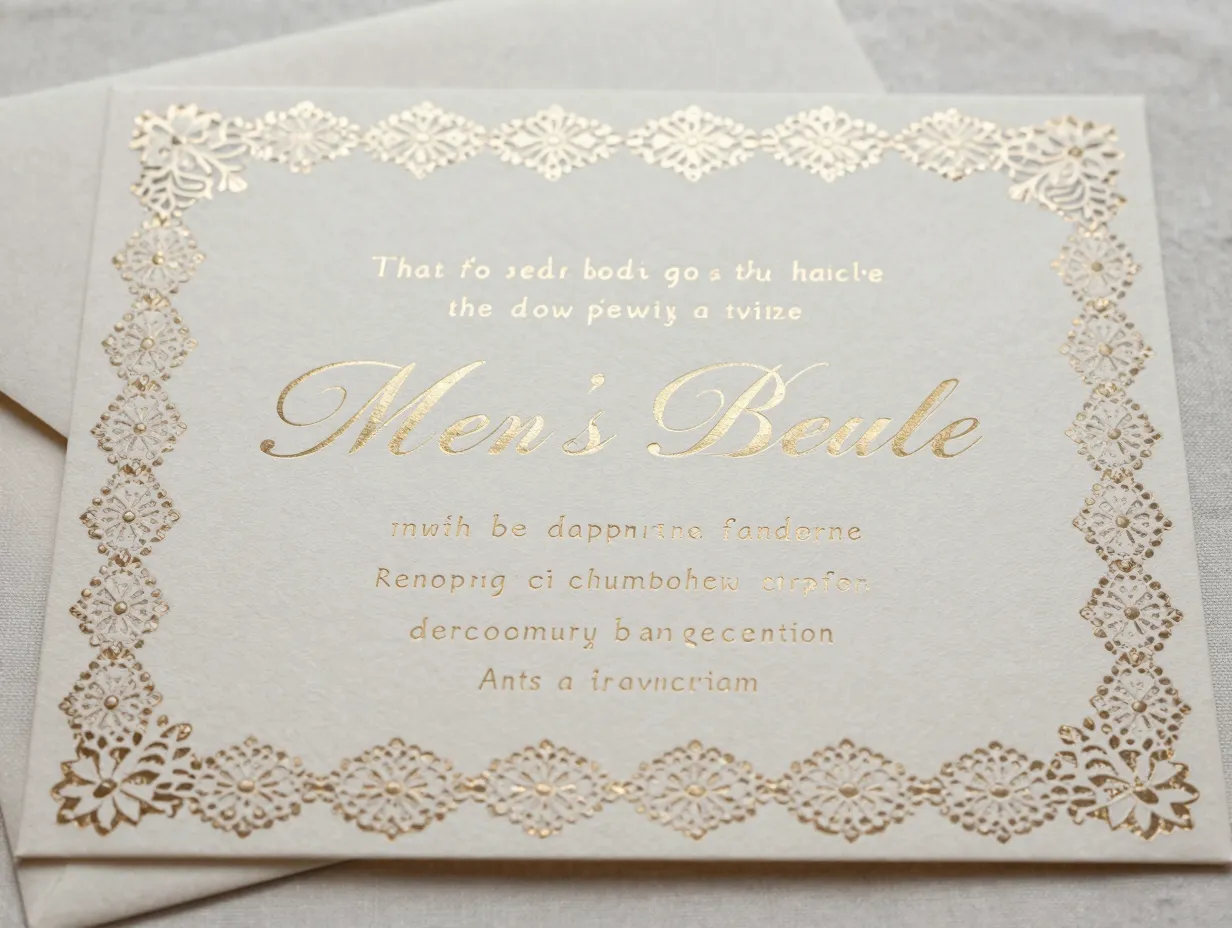
Lace has long been associated with wedding gowns, and it translates beautifully onto paper. Lace-inspired invitation details — whether printed, laser-cut, or applied as an overlay — bring a romantic, delicate quality that feels inherently bridal.
These designs are noted as “an emblem of romance that never truly goes out of style,” reemerging in 2026 stationery as both classic and newly inspired [2]. Modern interpretations include laser-cut lace borders, vellum overlays with printed lace patterns, and even actual lace ribbon used as envelope closures.
Design combinations that work beautifully:
- Ivory lace border + champagne gold foil typography
- White laser-cut lace wrap + blush inner card
- Printed crochet pattern + navy blue envelope liner
5. Gold Foil Accents and Gilded Edges
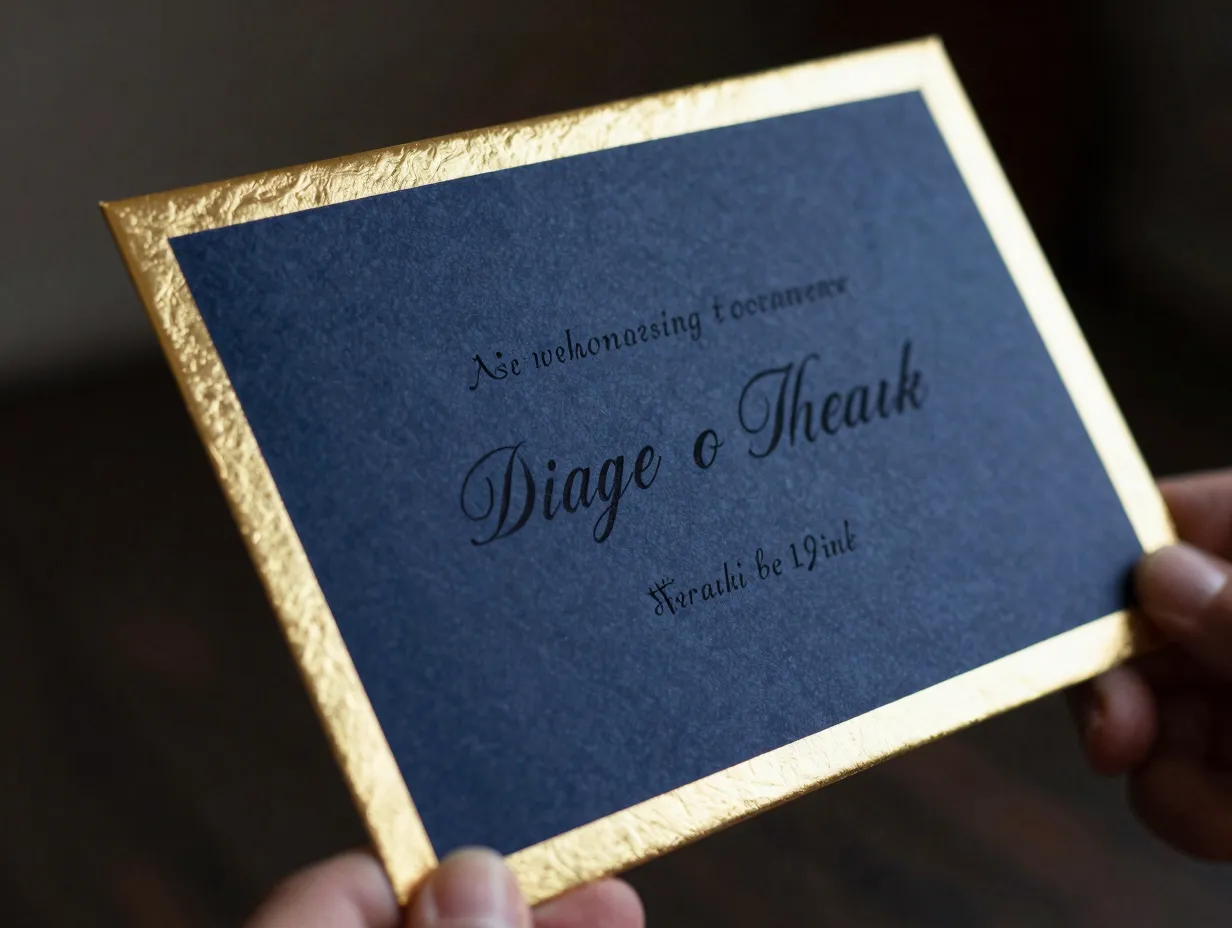
Gold has symbolized luxury, celebration, and importance across virtually every culture and era in human history. On a wedding invitation, gold foil accents and gilded edges deliver an immediate sense of occasion.
Foil stamping creates a mirror-like metallic finish that catches the light beautifully. Gilded edges — where the sides of the invitation cards are painted or leafed in gold — add a three-dimensional richness that photographs stunningly and feels extraordinary in hand.
“When a guest opens an envelope and finds gilded edges catching the light, they immediately understand: this is a special event.”
In 2026, gold remains the dominant metallic choice for classic wedding invitations, though rose gold and platinum are popular alternatives. The key is restraint — gold accents should complement the design, not overwhelm it [6].
Best pairings: Ivory or cream cardstock, navy or forest green backgrounds, black typography.
6. Die-Cut Invitation Shapes
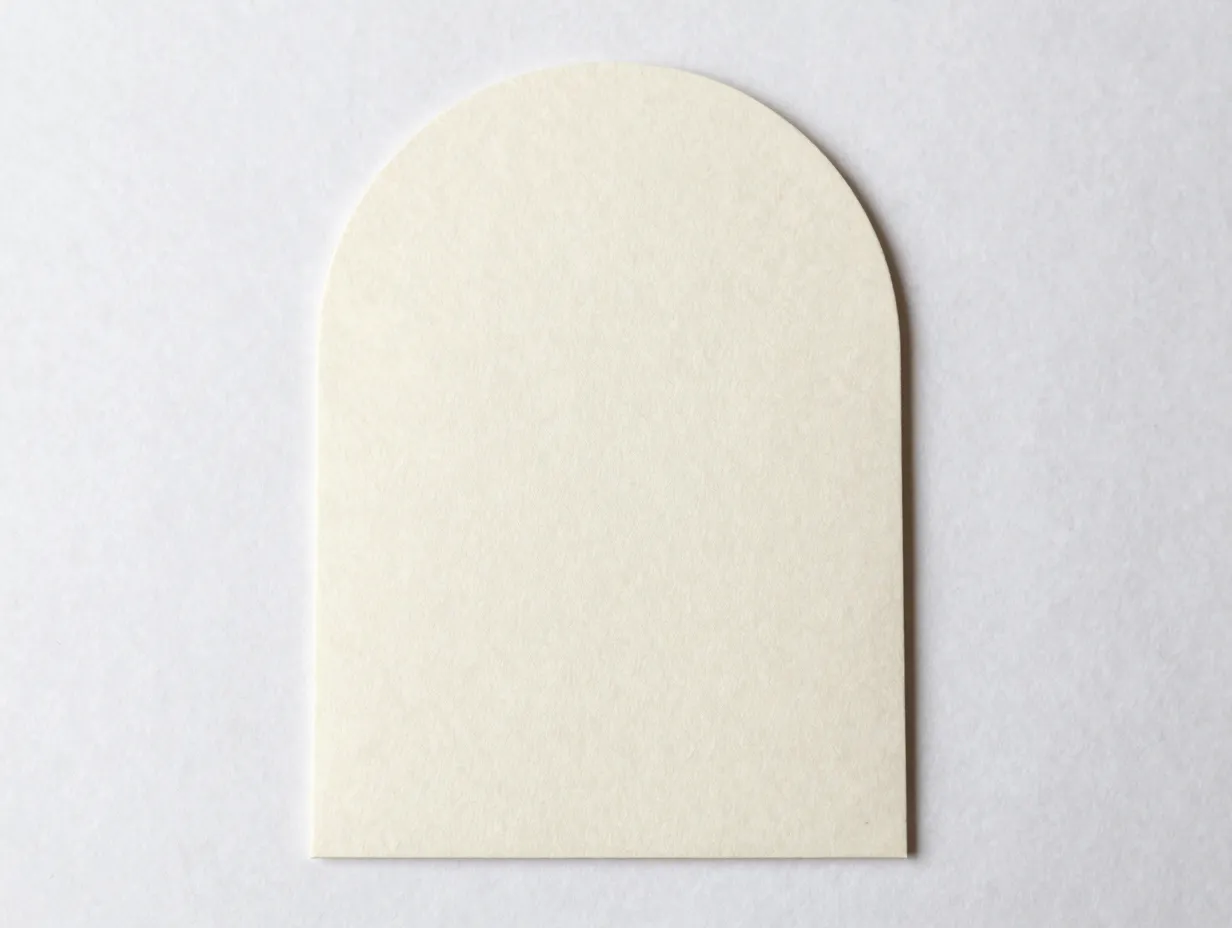
While the classic rectangular invitation has been the standard for generations, die-cut invitations — cards cut into distinctive shapes like arches, ovals, or scalloped edges — have earned their place among the timeless classics.
Positioned as “the new classic” in 2026 trends [1], die-cut designs offer a way to honor traditional elegance while adding a distinctive visual signature. The arch shape, in particular, has become a modern staple that references classical architecture and feels simultaneously fresh and enduring.
Popular die-cut shapes for 2026:
- Arch (rounded top, straight bottom)
- Oval or ellipse
- Scalloped rectangle
- Square with rounded corners
- Shield or crest shape
The beauty of die-cut invitations is that the shape itself becomes a design element, reducing the need for heavy graphic ornamentation.
7. Vellum Overlays and Layered Suites
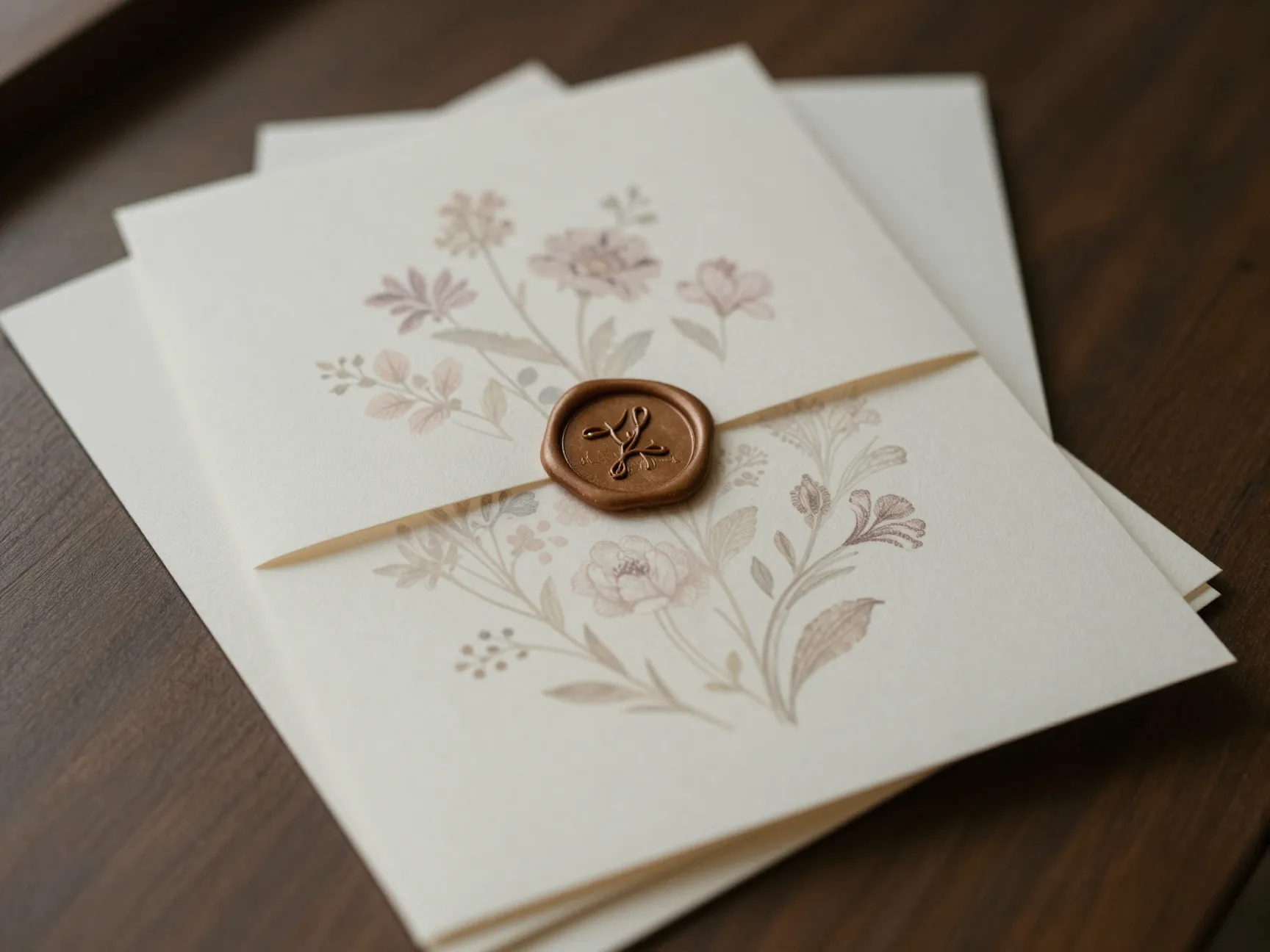
Vellum — a semi-transparent paper with a soft, frosted appearance — has been used in formal correspondence for centuries. In wedding invitations, vellum overlays add a dreamy, ethereal quality that feels both classic and romantic.
A layered suite typically features a solid base card (often in ivory or white) with a vellum sheet placed on top, printed with key details or a delicate floral illustration. The transparency creates a gentle layering effect that’s visually sophisticated without being busy.
Why couples love vellum overlays:
- Creates depth and visual interest
- Softens bold colors or patterns on the base card
- Feels luxurious and tactile
- Photographs beautifully for flat-lay wedding content
Vellum works especially well when paired with wax seals, which hold the layers together while adding another classic detail [4].
8. Old-World European-Inspired Elegance
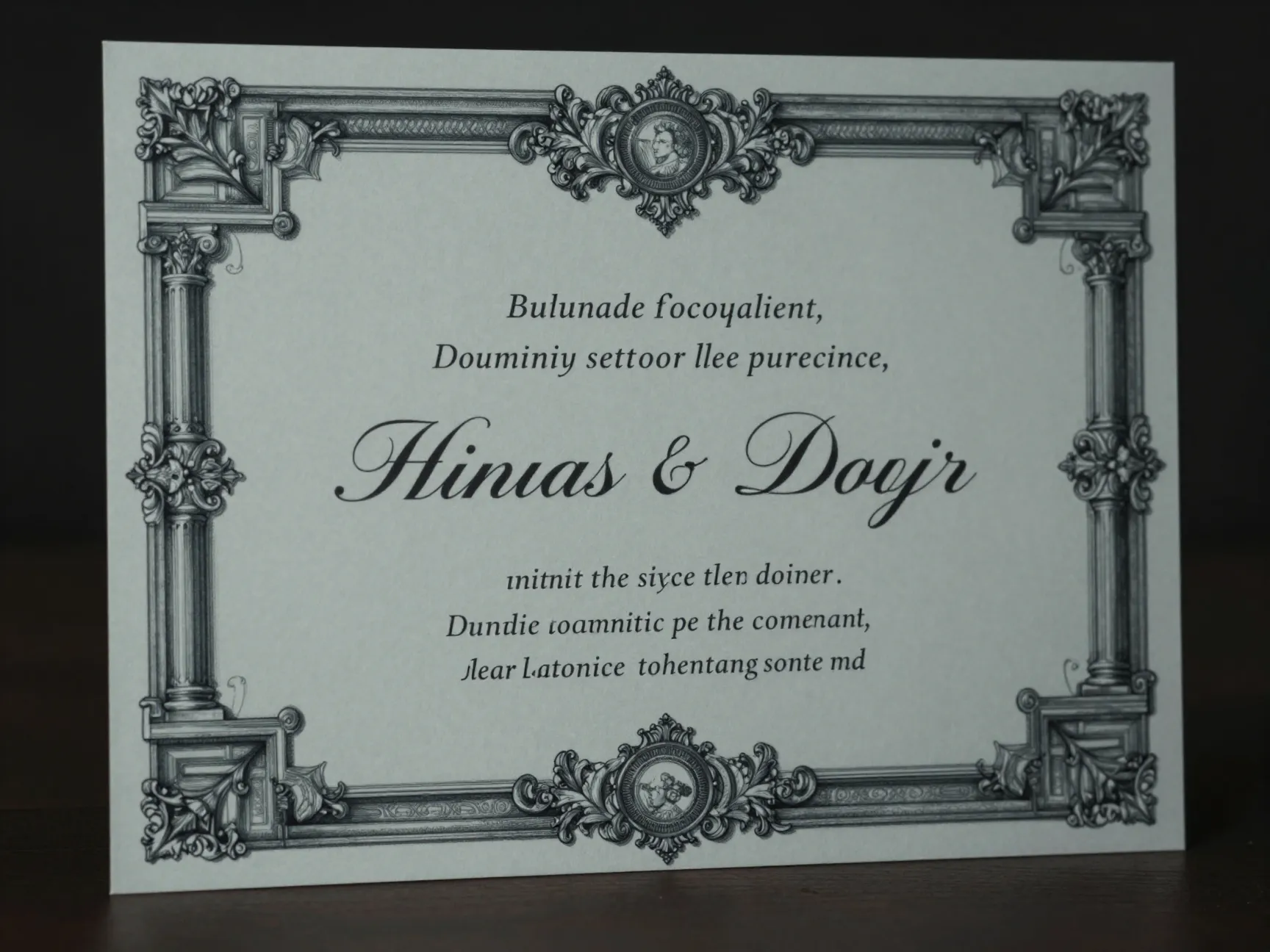
Some of the most beautiful wedding invitations in history have drawn from European fine art and aristocratic correspondence traditions. Ornate frames, gallery-wall layouts, classical illustration, and architectural motifs all fall under this category.
Old-world elegance and European-inspired details — including ornate frames and gallery-wall layouts — are described as “timeless, but make it cool again” in 2026 stationery trends [4]. This style references the grandeur of Renaissance portraiture, Baroque decorative arts, and Victorian engraving traditions.
Key elements of European-inspired invitation design:
- Ornate illustrated borders or frames
- Classical architectural motifs (columns, arches, pediments)
- Vintage botanical or toile illustrations
- Gallery-wall style suite arrangements
- Antique-inspired typography and layout
This style works beautifully for weddings held in historic venues — think castles, estate gardens, cathedral halls, or grand hotels.
9. Classic Black and White Formal Invitations
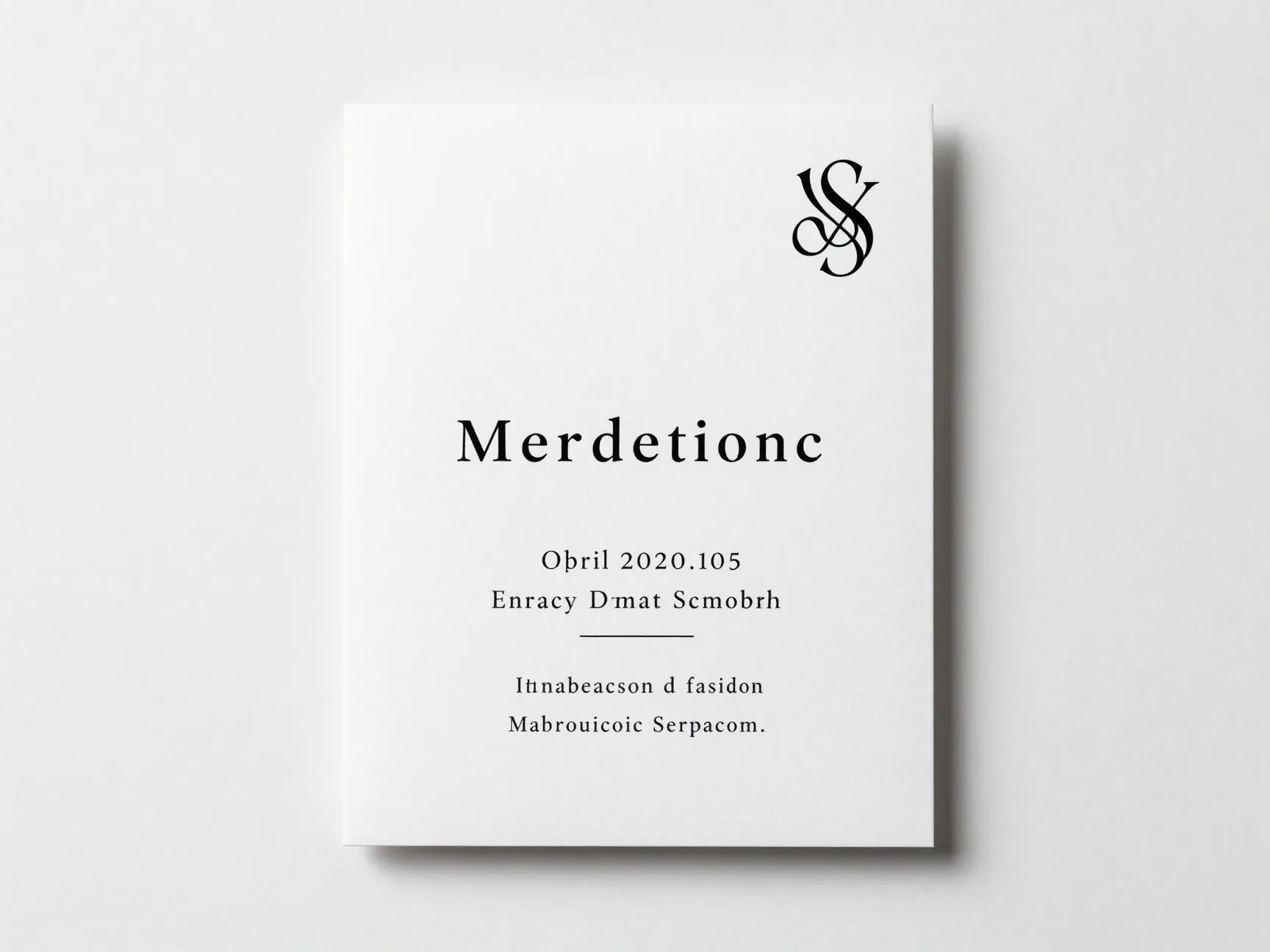
Sometimes the most powerful design choice is the simplest one. Classic black and white formal invitations — featuring crisp black typography on bright white or ivory cardstock — represent the gold standard of wedding stationery elegance.
This combination has appeared on formal invitations for well over a century, and it remains as striking today as it ever was. Black and white invitations communicate confidence, sophistication, and timeless style. They’re also incredibly versatile, working equally well for intimate ceremonies and grand galas.
What makes black and white invitations endure:
- High contrast ensures maximum readability
- Works with any wedding color palette (the invitation doesn’t compete with your florals or décor)
- Photographs beautifully in both color and black-and-white
- Feels formal and intentional without being fussy
In 2026, couples are elevating the classic black-and-white invitation with letterpress printing, custom monograms, and hand-addressed envelopes in white ink — proving that the simplest concepts often have the most room for beautiful refinement [5][6].
How to Choose the Right Classic Style for Your Wedding
With so many beautiful options among the 9 Classic Wedding Invitations That Are Forever in Style, choosing the right one can feel overwhelming. Here’s a simple framework to guide your decision:
Match Your Invitation to Your Venue
| Venue Type | Best Classic Invitation Style |
|---|---|
| Historic estate or castle | Old-world European elegance, letterpress |
| Garden or outdoor ceremony | Lace details, vellum overlays, botanical motifs |
| Grand ballroom or hotel | Black and white formal, gold foil, monograms |
| Intimate restaurant or gallery | Die-cut shapes, calligraphic typography |
| Destination wedding | Custom crest, layered suite |
Consider Your Wedding Color Palette
Your invitation doesn’t need to match your wedding colors exactly, but it should feel harmonious. Classic styles tend to work best with:
- Ivory, cream, and white — universally elegant
- Navy and gold — formal and rich
- Blush and champagne — romantic and soft
- Black and white — bold and timeless
- Sage green and ivory — fresh and classic
Budget Considerations
Classic doesn’t always mean expensive, but some techniques do carry a premium:
- Letterpress — Higher cost due to labor-intensive process; worth it for the tactile result
- Gold foil stamping — Moderate to high cost; creates maximum visual impact
- Custom crests — Design fee plus printing; a one-time investment that pays off across the suite
- Laser-cut lace — Moderate cost; widely available from specialty printers
- Digital calligraphy printing — Budget-friendly option that still delivers elegance
Tips for Ordering Classic Wedding Invitations in 2026
Getting your invitations right requires more than just choosing a beautiful design. Here are the most important practical tips:
🗓️ Order early. Classic printing techniques like letterpress and foil stamping require lead times of 6–10 weeks. Add mailing time and you should be sending invitations 8–12 weeks before your wedding date.
✉️ Order extras. Always order at least 15–20% more invitations than your guest count. You’ll need extras for last-minute additions, keepsakes, and photographer flat-lays.
📬 Hand-address your envelopes. Nothing undermines a beautiful classic invitation like a printed label. Hire a calligrapher or use a high-quality calligraphy font for envelope addressing.
🔍 Proofread obsessively. Check every detail — names, dates, times, addresses, and RSVP information — at least three times before approving your final proof.
💌 Include all necessary enclosures. A complete classic wedding suite typically includes the main invitation, RSVP card and envelope, details card (for accommodations, website, etc.), and inner and outer envelopes.
Conclusion
The 9 Classic Wedding Invitations That Are Forever in Style — letterpress engraving, formal calligraphy, monograms and crests, lace-inspired details, gold foil accents, die-cut shapes, vellum overlays, European-inspired elegance, and black-and-white formal designs — share one defining quality: they were beautiful before you were born, they’re beautiful today, and they’ll be beautiful in the photographs your grandchildren admire decades from now.
Choosing a classic invitation style is an investment in lasting elegance. It tells your guests that this celebration is worth their full attention and anticipation. And it gives you a piece of stationery you’ll be proud to preserve in your wedding album forever.
Your actionable next steps:
- 📋 Narrow your style — Choose 2–3 of the 9 classic styles that resonate most with your wedding vision.
- 🖨️ Research specialty printers — Look for stationery studios that specialize in your preferred printing technique (letterpress, foil, laser-cut).
- 💬 Request samples — Always order paper samples before committing to a design; texture and weight matter enormously.
- 📅 Set your timeline — Work backward from your wedding date to establish your invitation order deadline.
- 🎨 Consult a designer — For custom crests or complex suites, working with a professional stationery designer is well worth the investment.
Your invitation is the beginning of your love story as told to the world. Make it one worth keeping. 💌
References
[1] 2026 Wedding Invitation Trends What S In How To Use Them – https://lilyandroeco.com/blogs/news/2026-wedding-invitation-trends-what-s-in-how-to-use-them
[2] Wedding Invitation Design Trends – https://www.paperlesspost.com/blog/wedding-invitation-design-trends/
[3] 2026 Wedding Trends That Tell Your Story – https://botanicalpaperworks.com/blog/2026-wedding-trends-that-tell-your-story/
[4] 2026 Wedding Invitation Trends Were So Excited About 172107 – https://blog.carlsoncraft.com/fresh-trends/2026-wedding-invitation-trends-were-so-excited-about-172107.html
[5] 2026 Wedding Stationery Trends – https://turnageandwatts.com/2026-wedding-stationery-trends/
[6] Wedding Invitation Trends – https://www.theknot.com/content/wedding-invitation-trends