9-Step Wedding Planning To Do List to Keep You On Track & Sane
Planning a wedding can feel like running a small business — except the deadline is your dream day, and the stakes are deeply personal. 💍 If you’ve ever stared at a blank notebook wondering where on earth to begin, you’re not alone. The good news? Following a clear 9-Step Wedding Planning To Do List to Keep You On Track & Sane can transform the chaos into a calm, organized, and even enjoyable process. In this guide, we’ll walk through every critical phase — from the first excited “yes!” to the final confetti toss — so you never miss a beat.

Key Takeaways
- 📅 Start early — most venues and vendors book 12–18 months in advance, especially for 2026 weddings
- 💰 Set your budget first — every other decision flows from this number
- 🗂️ Use a structured checklist — a phased approach prevents last-minute panic
- 👰 Delegate tasks — you don’t have to do everything yourself
- ✅ Build in buffer time — unexpected changes are normal; your timeline should absorb them
Why You Need a Structured Wedding Planning Checklist
Let’s be honest — weddings involve hundreds of moving parts. According to planning experts, couples who use a structured timeline are significantly less stressed and more satisfied with their wedding outcomes [1]. Without a roadmap, it’s easy to book vendors out of order, overspend in one area, or forget critical tasks until it’s too late.
“The couples who enjoy their engagement the most are the ones who plan with intention — not panic.”
A well-organized wedding planning to-do list doesn’t just keep you on schedule. It protects your budget, preserves your relationships, and ensures your big day reflects what actually matters to you.
Whether you’re planning a 12-month engagement or working with a tighter window, this 9-Step Wedding Planning To Do List to Keep You On Track & Sane gives you a proven framework to follow from start to finish [2][3].
The Complete 9-Step Wedding Planning To Do List to Keep You On Track & Sane
1. Define Your Vision and Set Your Budget

Before you pin a single photo or tour a single venue, you need two things: a shared vision and a firm budget. These are the twin foundations of every successful wedding plan.
Start with these questions:
- What feeling do you want your wedding to create?
- How many guests are you envisioning?
- Is an intimate backyard ceremony more your style, or a grand ballroom celebration?
- What are your absolute non-negotiables?
Once you’ve talked through your vision, set a realistic budget. The average U.S. wedding in 2026 costs between $30,000 and $35,000, but your number is personal [7]. Break your budget into categories:
| Category | Typical % of Budget |
|---|---|
| Venue & Catering | 40–50% |
| Photography/Video | 10–12% |
| Flowers & Décor | 8–10% |
| Music/Entertainment | 5–8% |
| Attire | 5–8% |
| Stationery & Misc. | 5–7% |
Pro tip: Add a 5–10% buffer for unexpected costs. They will happen [4].
2. Build Your Guest List and Choose a Date

Your guest count drives almost every other decision — venue size, catering costs, invitation quantities, and more. Work with both families early to draft a preliminary list, then refine it based on your budget [5].
When choosing your wedding date, consider:
- Venue availability (especially for popular 2026 dates)
- Season and weather in your location
- Major holidays or conflicts for key guests
- Vendor availability
📌 Important: Popular venues in 2026 are already booking fast, particularly for spring and fall dates. Lock in your date as early as possible [6].
Once you have a rough guest count and a target date range, you’re ready to start venue shopping.
3. Book Your Venue

Your venue is typically the first major vendor you’ll book — and for good reason. It sets the tone for everything else: the style, the capacity, the catering options, and even your date [3].
When touring venues, ask:
- What is included in the rental fee?
- Do you have a preferred vendor list?
- What is the backup plan for outdoor ceremonies?
- What are the parking and accessibility options?
- What is the cancellation or rescheduling policy?
Most couples book their venue 12–18 months in advance for peak-season dates [2]. If you’re working with a shorter timeline, be flexible on day of the week — Friday and Sunday weddings often have better availability and lower costs.
4. Hire Your Core Vendors

Once your venue is secured, move quickly to lock in your most in-demand vendors. These are the professionals who often book a year or more in advance [8]:
Priority vendors to book first:
- Photographer and/or videographer — these are the memories you’ll keep forever
- Caterer (if not included with your venue)
- Band or DJ
- Officiant
- Hair and makeup artist
When interviewing vendors, always ask for references, review contracts carefully, and confirm what’s included in each package. Don’t book anyone without a signed agreement [9].
“Your photographer will be with you for 8–10 hours on your wedding day. Chemistry matters as much as their portfolio.”
5. Design Your Wedding Style and Send Invitations
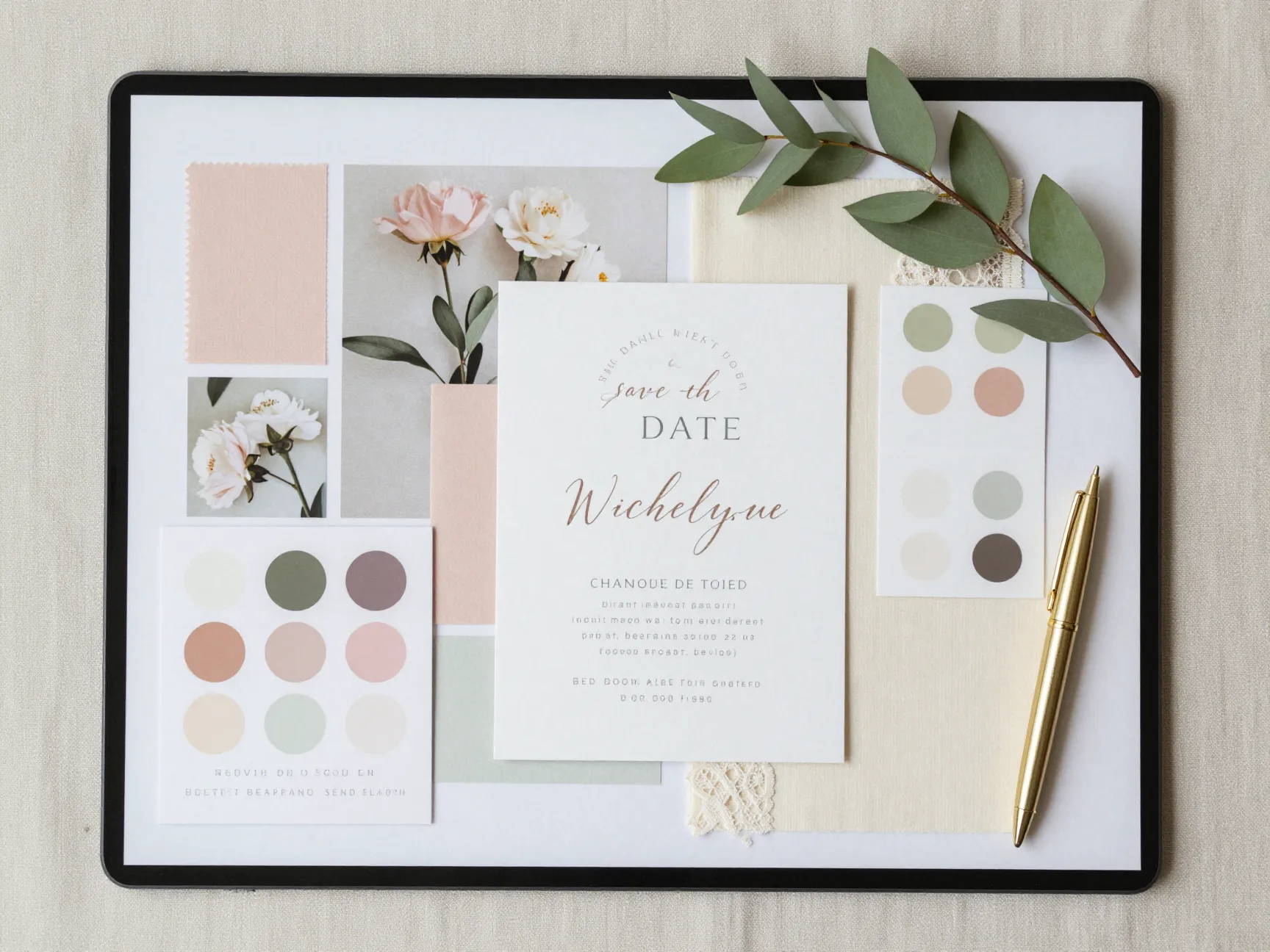
Now comes the fun part — bringing your vision to life visually. Your wedding style guides every aesthetic decision: flowers, stationery, décor, attire, and more [1].
Steps in this phase:
- Create a mood board (Pinterest is your friend here 🎨)
- Choose your color palette
- Select your wedding party attire
- Begin shopping for your wedding dress or suit (allow 4–6 months for alterations)
- Design and order your invitations
Invitation timeline:
| Item | When to Send |
|---|---|
| Save-the-dates | 6–8 months before |
| Invitations | 6–8 weeks before |
| RSVP deadline | 3–4 weeks before the wedding |
Don’t forget to include accommodation information and your wedding website link with save-the-dates [5].
6. Plan the Details: Flowers, Décor, and Menu
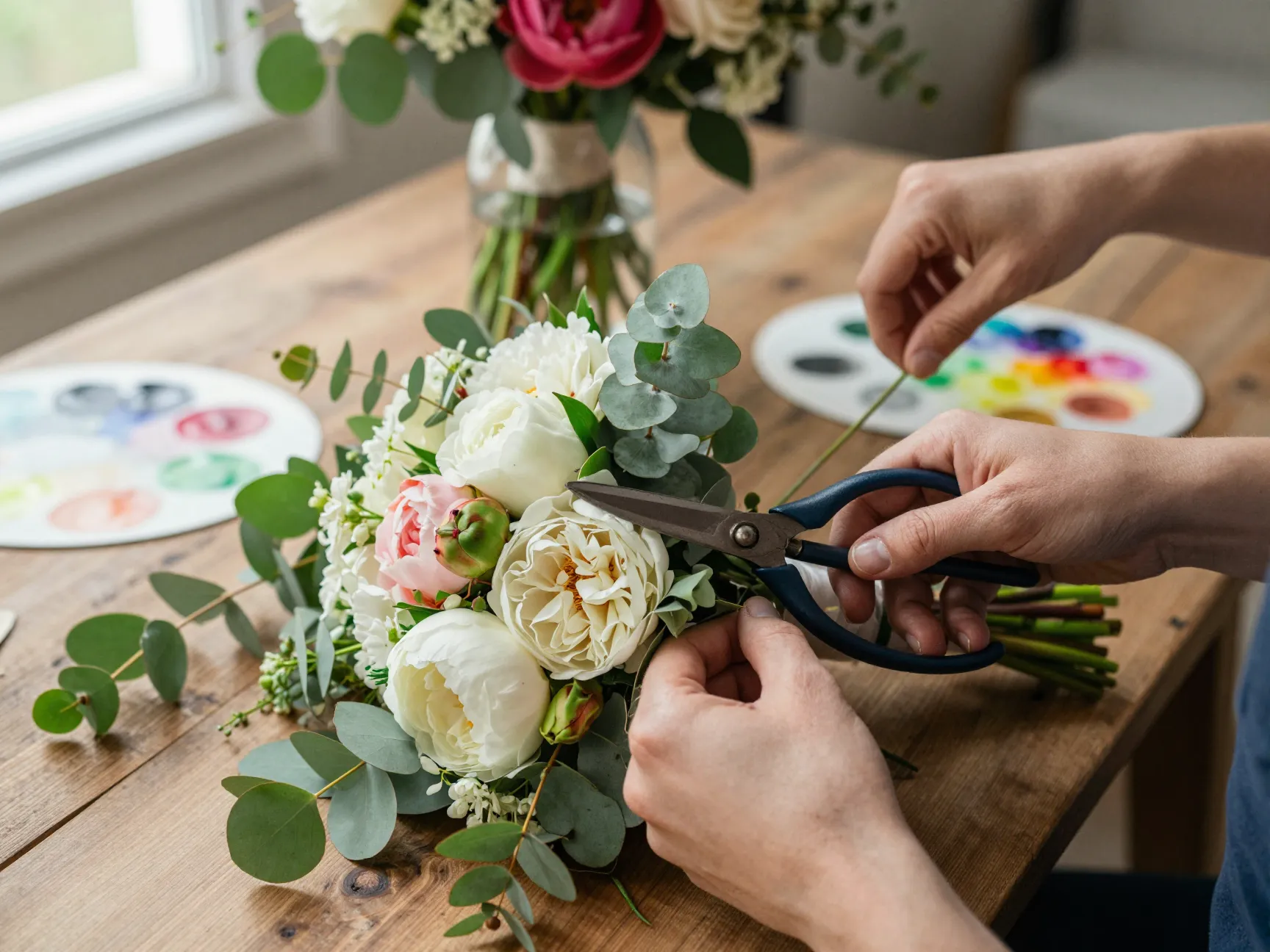
With your big vendors booked and your style defined, it’s time to get into the details. This phase is where your wedding truly starts to take shape [3].
Florals and décor:
- Meet with your florist to discuss centerpieces, bouquets, boutonnieres, and ceremony décor
- Confirm the number of tables and arrangements needed
- Discuss seasonal flower availability for your date
Catering and cake:
- Schedule a tasting with your caterer
- Confirm dietary restrictions from your guest list
- Choose your wedding cake or dessert bar
- Finalize your bar package (open bar, beer and wine, or signature cocktails)
Rentals:
If your venue doesn’t provide everything, you may need to rent tables, chairs, linens, lighting, or a dance floor. Get quotes from rental companies at least 6 months out [8].
7. Coordinate Logistics and Accommodations
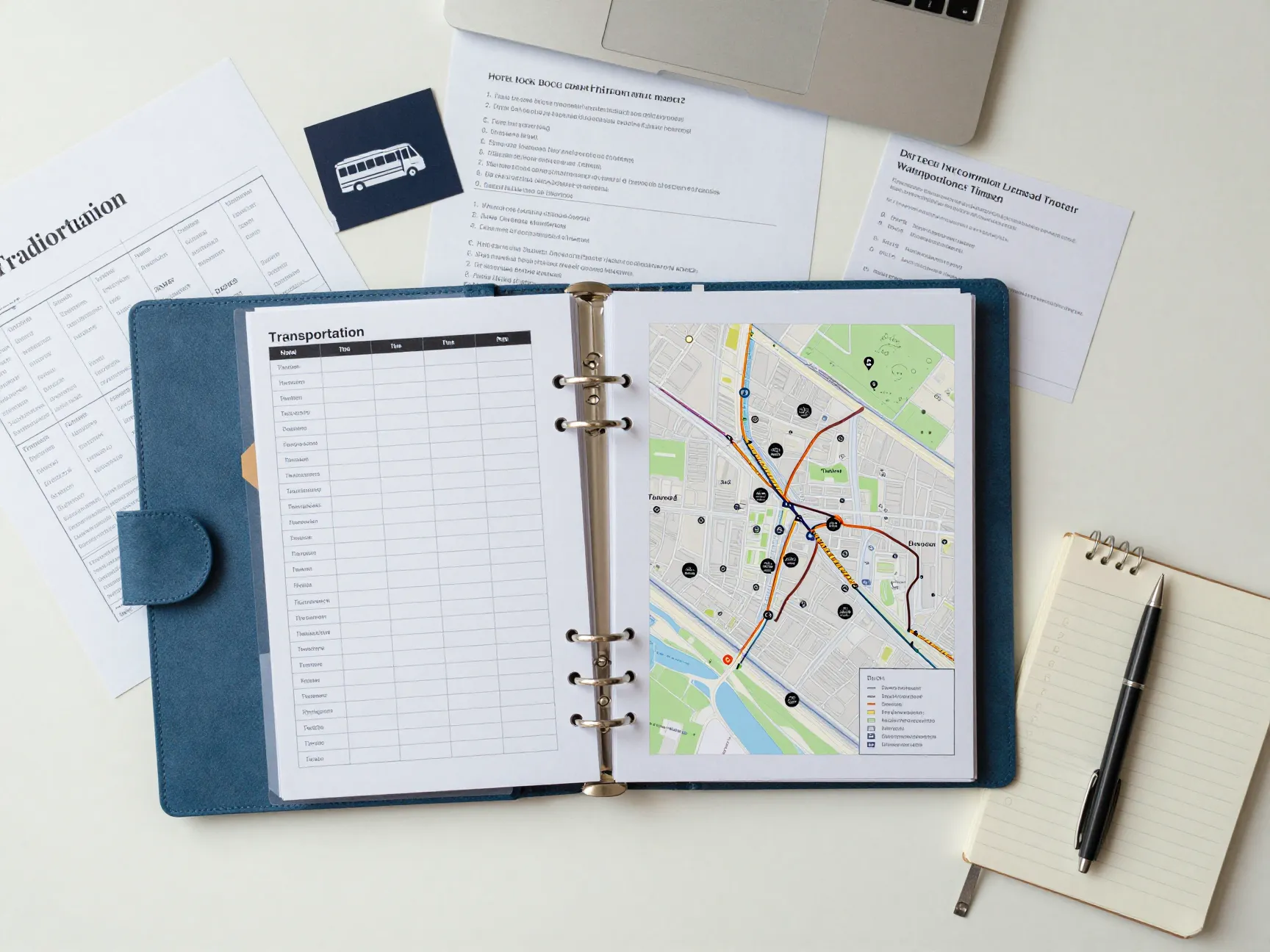
A beautiful wedding also requires flawless logistics. This step is often underestimated — but it’s what separates a smooth day from a stressful one [6].
Key logistics to coordinate:
- Transportation — arrange shuttles, limos, or car services for the wedding party and guests
- Hotel room blocks — negotiate a group rate at nearby hotels for out-of-town guests
- Rehearsal dinner — book a venue and send invitations 4–6 weeks in advance
- Day-of timeline — create a detailed schedule from hair and makeup through the last dance
- Vendor communication — share the day-of timeline with every vendor
📋 Tip: Assign a point person (a trusted friend, family member, or day-of coordinator) to handle vendor questions on your wedding day so you can stay present and enjoy every moment.
8. Finalize Everything and Confirm All Vendors
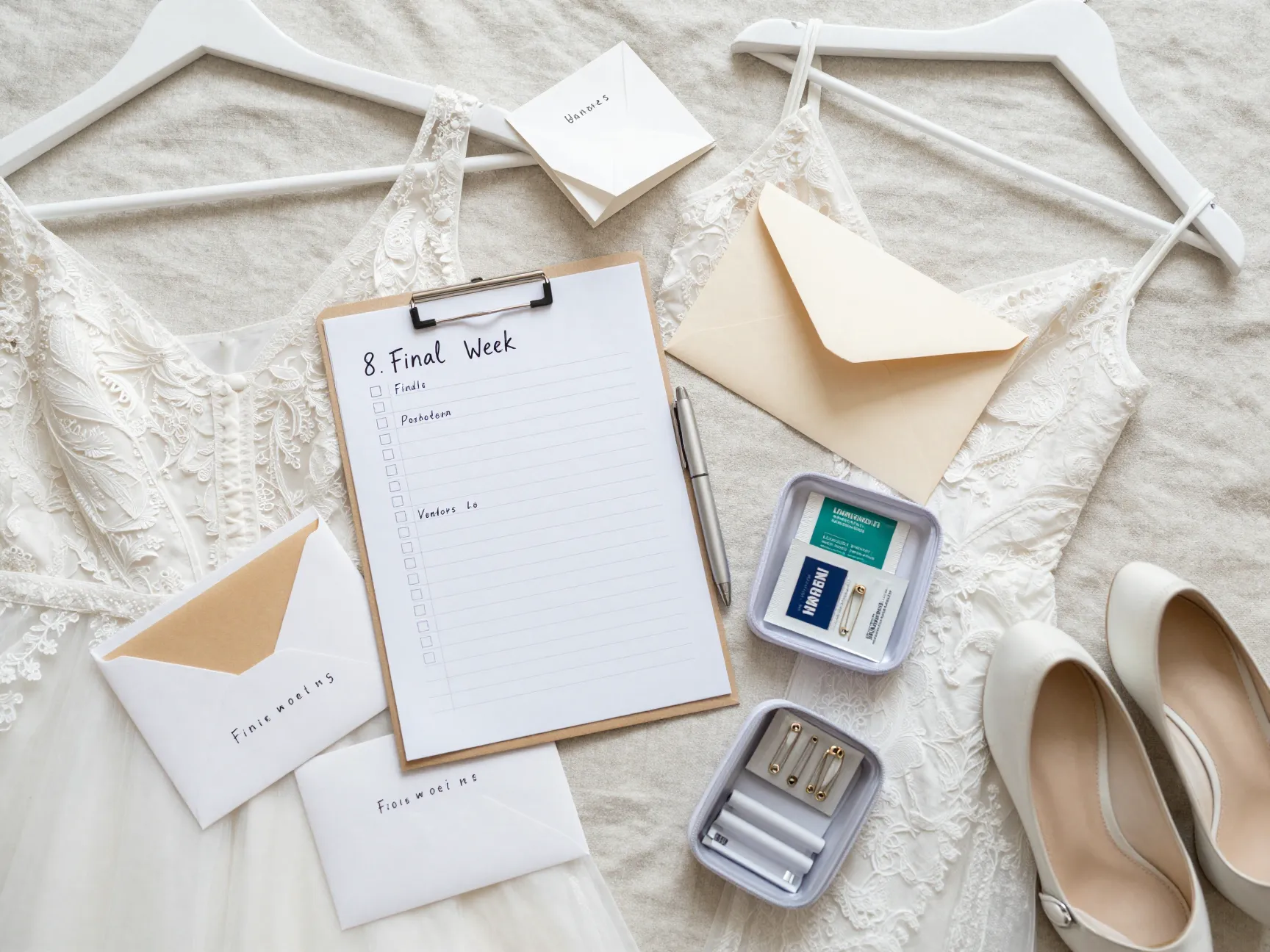
In the final 4–6 weeks before your wedding, shift into confirmation mode. This is your last chance to catch anything that’s slipped through the cracks [2][4].
Final confirmation checklist:
- ✅ Reconfirm all vendor bookings, arrival times, and final payments
- ✅ Deliver final guest count to your caterer
- ✅ Pick up or receive delivery of wedding attire
- ✅ Break in your wedding shoes (seriously — do this!)
- ✅ Prepare final payments and tip envelopes for vendors
- ✅ Confirm transportation pickup times
- ✅ Send final timeline to wedding party and family
- ✅ Arrange for someone to handle gifts and cards at the reception
- ✅ Pack your wedding day emergency kit (safety pins, stain remover, pain reliever, etc.)
This is also the time to schedule your final dress fitting, confirm your rehearsal dinner details, and get your marriage license if you haven’t already [9].
9. Enjoy Your Wedding Day — and Plan for After
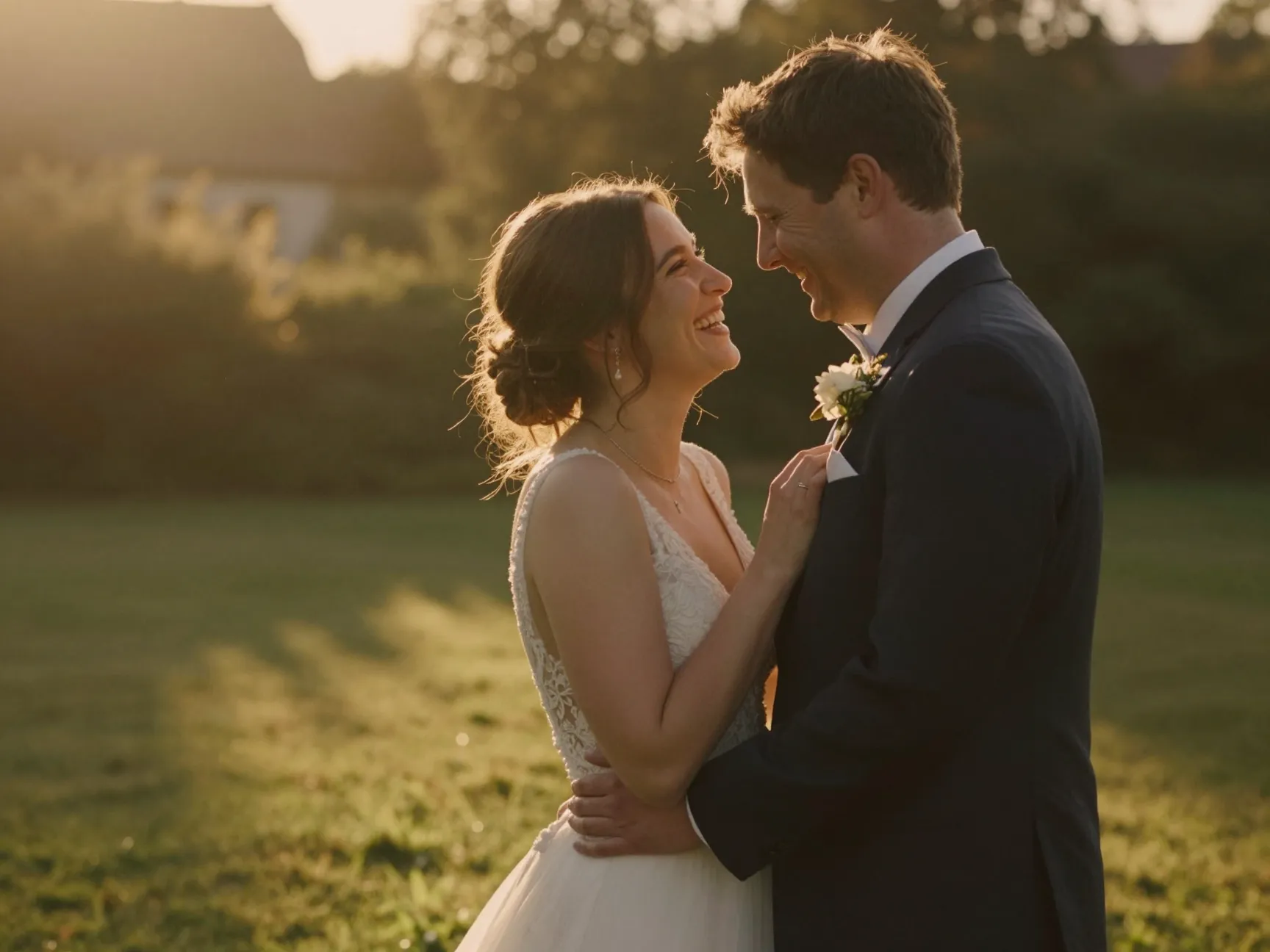
You’ve done the work. Now it’s time to be fully present and soak in every moment. 🥂
Day-of reminders:
- Eat breakfast — seriously, don’t skip it
- Give yourself extra time for hair and makeup
- Have a trusted person hold your phone so you’re not distracted
- Take a few private minutes with your partner during the day
- Trust your vendors — you hired them for a reason
Post-wedding to-do list:
| Task | Timeline |
|---|---|
| Send thank-you notes | Within 3 months |
| Return rental items | Within 1–2 weeks |
| Preserve your wedding dress | Within 1 month |
| Change your name (if applicable) | Within 1–3 months |
| Review and tip vendors | Within 1–2 weeks |
| Share wedding photos | When received from photographer |
Don’t forget to write reviews for your vendors — it helps other couples and shows your appreciation [7].
How to Use This 9-Step Wedding Planning To Do List to Keep You On Track & Sane
Now that you have all nine steps, here’s how to put them into practice:
Create your master timeline. Work backward from your wedding date and assign each step a target completion window. For a 12-month engagement, a rough breakdown looks like this:
| Months Out | Steps to Complete |
|---|---|
| 12–10 months | Steps 1–3 (Vision, Budget, Venue) |
| 10–8 months | Step 4 (Core Vendors) |
| 8–6 months | Step 5 (Style, Invitations) |
| 6–3 months | Steps 6–7 (Details, Logistics) |
| 3–1 months | Step 8 (Finalize & Confirm) |
| Wedding day | Step 9 (Enjoy!) |
Use a digital tool. Apps like Zola, The Knot, or even a shared Google Sheet can help you track tasks, manage your budget, and communicate with vendors in one place [1][3].
Check in weekly. Set aside 30–60 minutes each week to review your checklist, make calls, and update your progress. Consistency beats marathon planning sessions every time.
Communicate openly with your partner. Wedding planning can be a source of conflict if one person carries the load. Divide tasks based on strengths and interest — and check in regularly [5].
Common Wedding Planning Mistakes to Avoid
Even with the best checklist, some pitfalls are surprisingly common. Here’s what to watch out for:
- Booking vendors without contracts — always get everything in writing [9]
- Ignoring the guest experience — parking, food, and flow matter to your guests
- Underestimating the timeline — hair and makeup almost always take longer than expected
- Forgetting to eat on your wedding day — pack snacks!
- Skipping the day-of coordinator — even a partial-day coordinator is worth every penny
- Waiting too long to book — 2026 dates are filling up fast [6][8]
- Letting social media set your expectations — your wedding should reflect you, not a trend
Conclusion: Your Path to a Stress-Free Wedding Starts Now
Planning a wedding doesn’t have to be overwhelming. With the right structure in place, it can actually be one of the most exciting and rewarding experiences of your life. This 9-Step Wedding Planning To Do List to Keep You On Track & Sane gives you a clear, proven framework to move from “engaged!” to “married!” with confidence and clarity.
Your actionable next steps:
- Today: Have an honest budget conversation with your partner and families
- This week: Draft your preliminary guest list and research venue options
- This month: Book your venue and start interviewing photographers
- Ongoing: Check your master checklist weekly and celebrate small wins along the way 🎉
Remember — the goal isn’t a perfect wedding. The goal is a meaningful one. Stay organized, lean on your support system, and don’t lose sight of why you’re doing all of this in the first place: to marry the person you love.
References
[1] Your Ultimate Wedding Planning Checklist – https://www.zola.com/expert-advice/your-ultimate-wedding-planning-checklist
[2] The Ultimate 2026 Wedding Planning Timeline Checklist – https://sarahvanheckephotography.com/2025/08/29/the-ultimate-2026-wedding-planning-timeline-checklist/
[3] 12 Month Wedding Planning Countdown – https://www.theknot.com/content/12-month-wedding-planning-countdown
[4] Checklist – https://www.honeyfund.com/content/wedding-planning/checklist
[5] The Guide Brides Wedding Checklist – https://www.herecomestheguide.com/wedding-ideas/the-guide-brides-wedding-checklist
[6] 2026 Wedding Planning Checklist January Booking Guide – https://www.saintpatrickpalace.com/2026-wedding-planning-checklist-january-booking-guide/
[7] The 2026 Wedding Planning Checklist – https://www.theoviatt.com/post/the-2026-wedding-planning-checklist
[8] Wedding Planning Timeline And Checklist – https://weddings.lightnermuseum.org/wedding-planning-timeline-and-checklist/
[9] Wedding Planning Checklist Eddy Almaguer – https://eddyalmaguer.com/wedding-planning-checklist-eddy-almaguer/