How Do You Plan a Wedding? 9 First Steps Every Couple Must Take
Getting engaged is one of the most exciting moments of your life — and then someone asks, “So, when’s the wedding?” and the excitement suddenly mixes with a wave of overwhelm. If you’ve ever stared at a blank notebook wondering where on earth to begin, you’re not alone. Knowing how do you plan a wedding is genuinely one of the most common questions newly engaged couples ask in 2026, and the answer is more strategic than most people expect.
Disclosure: This post contains affiliate links. As an Amazon Associate, we earn from qualifying purchases, and at no extra cost to you.
This guide breaks down the 9 essential first steps every couple must take when planning a wedding. Whether you just got engaged last night or you’ve been quietly planning for months (more on that below!), these steps will give you a clear, confident roadmap from “yes” to “I do.”
Key Takeaways 📝
- Start early: The average engagement lasts 18 months, and nearly 1 in 5 couples begin planning before the proposal [2]
- Set a realistic budget first: The average wedding costs $36,000 in 2026, and 84% of couples expect costs to be higher than two years ago [2]
- Book venue and photographer early: These are the two most in-demand vendors and should be secured as soon as possible [1]
- Manage social media pressure: 60% of couples say balancing online inspiration with their real budget is their #1 stressor [1]
- Use AI tools: AI adoption in wedding planning has grown 150% in one year — use it to save time and reduce stress [2]
Why Understanding How Do You Plan a Wedding Matters More Than Ever in 2026
Wedding planning in 2026 looks very different from even a few years ago. Costs are rising, timelines are longer, and the flood of social media inspiration can make even the most grounded couple question every decision. Here’s a snapshot of where things stand:
| Planning Factor | 2026 Data |
|---|---|
| Average wedding cost | $36,000 |
| Average engagement length | 18 months |
| Average guest count | ~145 guests |
| Couples using AI for planning | 54% |
| Couples who started planning pre-engagement | 19% |
Sources: [1][2]
Understanding the landscape before you dive in helps you make smarter decisions from day one. Now, let’s get into the steps.
The 9 First Steps: How Do You Plan a Wedding the Right Way?
1. Celebrate First — Then Give Yourself a Planning Start Date

Before you open a single spreadsheet, give yourself permission to just enjoy being engaged. This sounds obvious, but many couples jump straight into vendor research within hours of getting engaged. The pressure to “figure it all out” immediately can rob you of a genuinely special moment.
Set a specific date — maybe one to two weeks after your engagement — when you’ll officially begin planning. Use the time in between to share the news, enjoy the excitement, and mentally prepare for the journey ahead.
💡 “The couples who enjoy the process most are the ones who treat planning as a series of intentional decisions, not a race to the finish line.”
2. Have the Big Conversations Before Anything Else

Before you look at a single venue or Google “wedding photographers near me,” sit down with your partner and align on the big picture questions. These conversations will shape every decision that follows.
Key questions to discuss together:
- What kind of wedding do we actually want — intimate gathering, big celebration, or destination event?
- Who are the non-negotiable guests? Who are the “nice to haves”?
- Are there any family expectations or cultural traditions we want to honor?
- How do we feel about a long engagement vs. getting married sooner?
- What are our individual priorities — venue, food, music, photography?
Getting aligned early prevents conflict later. According to recent data, 68% of couples discuss engagement timing beforehand and 55% shop for rings together in advance [2] — which shows that many modern couples are already having these conversations before the proposal even happens.
3. Set Your Budget — Honestly and Completely

This is the step most couples dread, but it’s the most important one. Your budget is the foundation of every single planning decision you’ll make.
The average wedding in 2026 costs around $36,000, with most couples budgeting somewhere between $20,000 and $40,000 [2]. But here’s what’s critical: 84% of couples believe their 2026 wedding will cost more than the same wedding would have two years ago [2]. Inflation, vendor price increases, and rising demand are all real factors.
Where does the money come from?
- 88% of couples are contributing financially to their own weddings [2]
- 51% have saved for years in advance [2]
- 27% are adding cash funds to their gift registries (up from 16% in 2025) [2]
- 52% are deferring other life milestones like home purchases to fund their wedding [2]
How to build your budget:
- Identify all contributing parties (yourselves, parents, family)
- Get firm commitments — not promises — before counting on outside money
- Allocate funds by category: venue, catering, photography, florals, attire, entertainment, and miscellaneous
- Build in a 10–15% buffer for unexpected costs
- Track spending from day one using a spreadsheet or planning app
⚠️ Budget reality check: 60% of couples cite managing their real budget against online inspiration as their #1 planning stressor [1]. Set your budget before you fall in love with a venue that’s out of reach.
4. Decide on Your Guest Count (It Drives Everything)
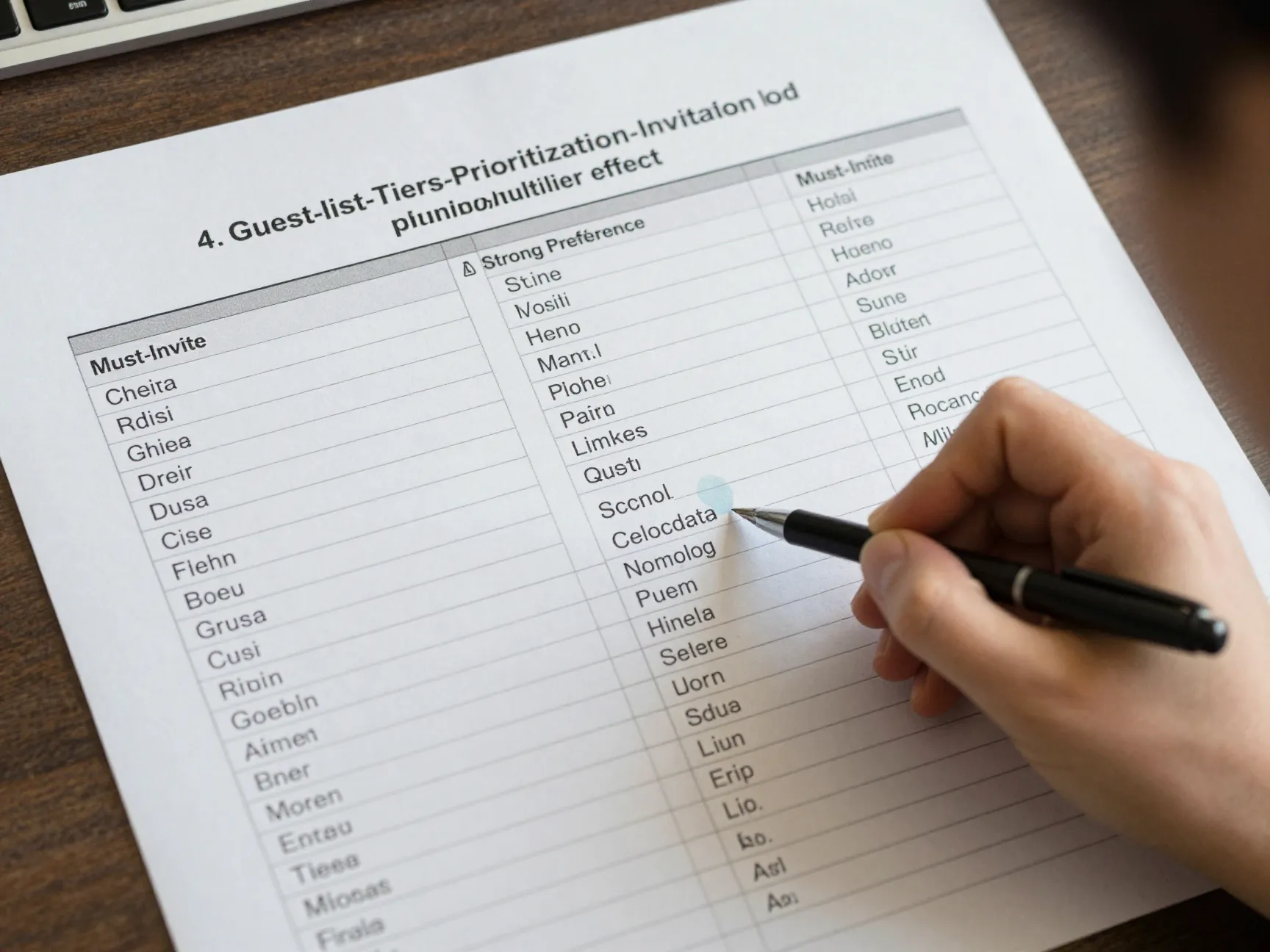
Your guest list isn’t just a list of names — it’s a financial and logistical multiplier. The number of guests you invite directly affects your venue size, catering costs, invitation expenses, seating arrangements, and more.
The average wedding in 2026 has approximately 145 guests [1]. But what many couples don’t consider is the cost to their guests. On average, guests spend around $580 per person to attend a wedding, covering travel, accommodation, attire, and gifts [1]. Being mindful of this can influence decisions like your wedding location, date, and how much notice you give guests.
Guest list tiers to consider:
- Tier 1 (Must-Invite): Immediate family, closest friends — non-negotiable
- Tier 2 (Strong Preference): Extended family, close colleagues, longtime friends
- Tier 3 (If Budget Allows): Acquaintances, plus-ones, children
Start with Tier 1 and work outward based on your budget. A smaller guest list often means a higher per-person experience — better food, better venue, more personal touches.
5. Choose Your Wedding Date (or a Flexible Window)
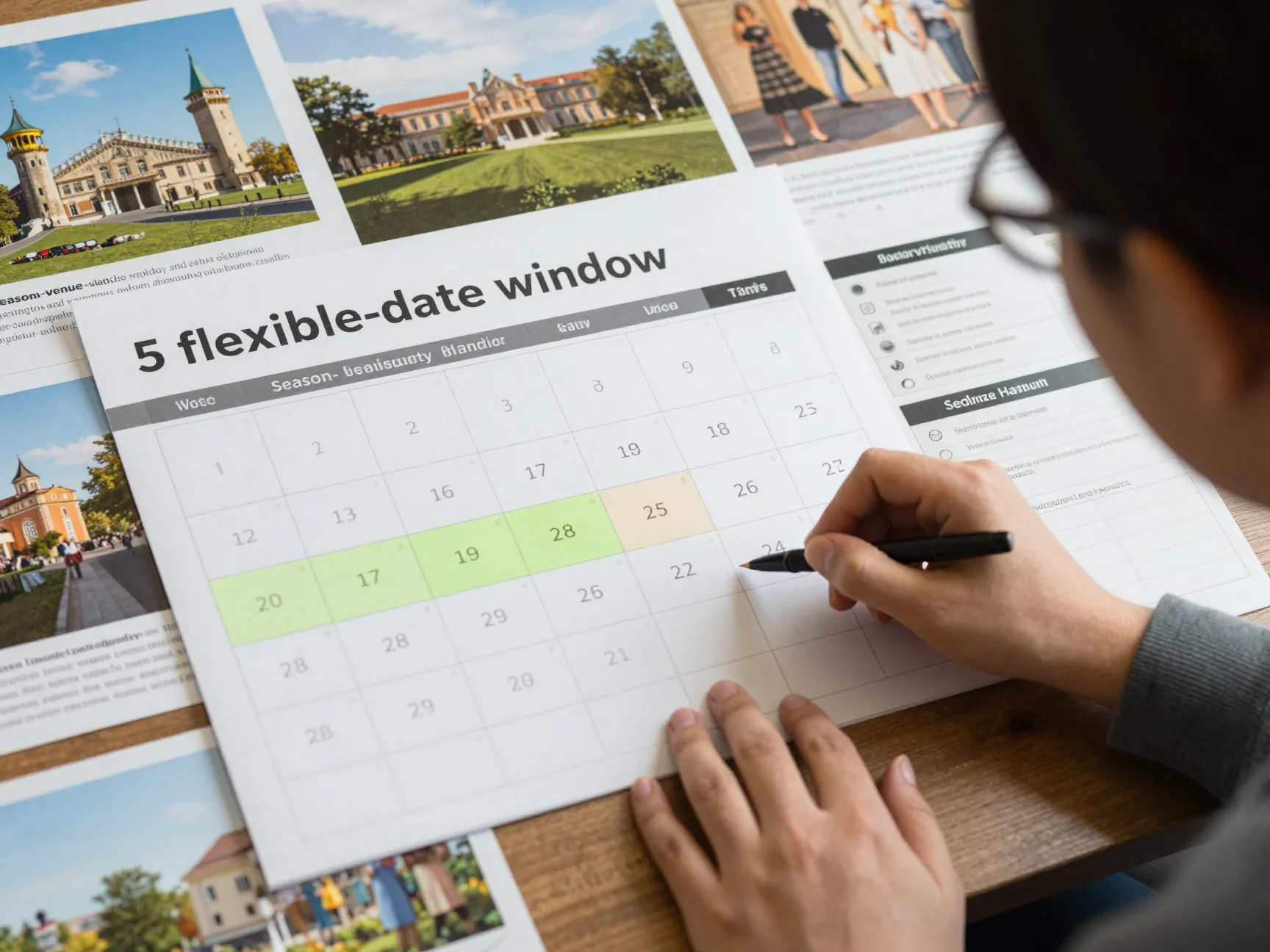
Picking a date early gives your planning a concrete anchor. But in 2026, flexibility is your friend, especially if you have a specific venue in mind.
Factors that influence your date:
- Venue availability: Popular venues book 12–18 months in advance
- Season and weather: Peak wedding season (May–October in most of North America) commands premium pricing
- Guest availability: Consider major holidays, school calendars, and travel distances
- Budget: Off-peak dates (November–March, weekdays, Sundays) can save thousands
- Personal significance: Anniversaries, meaningful dates, family milestones
📅 Pro tip: Rather than locking in one specific date, identify a 3–6 month window that works for you. Then let venue availability help you narrow it down.
Note that 37% of couples are now hosting at least one additional event beyond the main celebration [1][2] — like a rehearsal dinner, day-after brunch, or engagement party. Factor these into your date planning as well.
6. Book Your Venue First — It’s the Cornerstone Decision
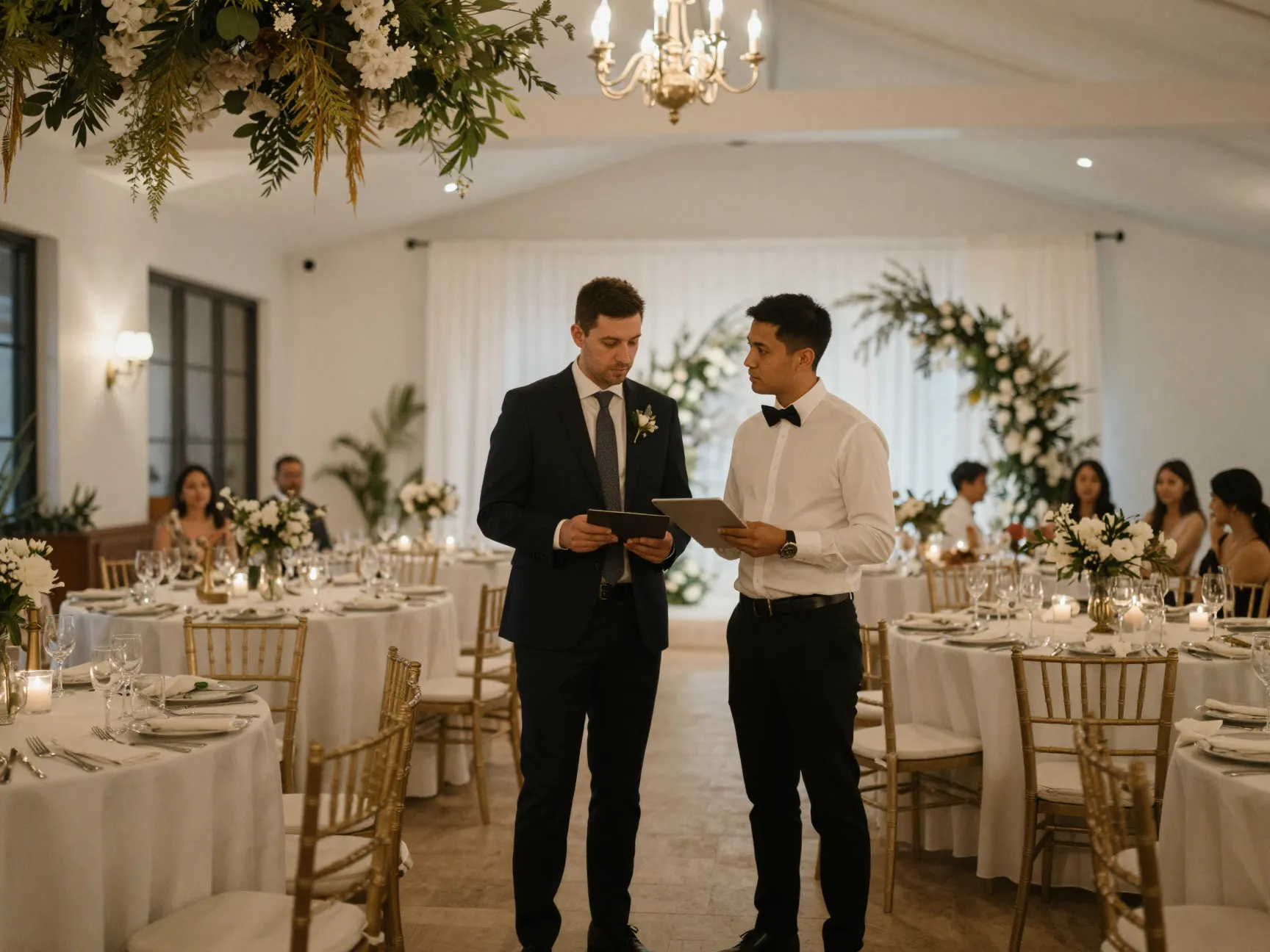
If there’s one vendor you should prioritize above all others, it’s the venue. Your venue determines your date, your guest capacity, your aesthetic, your catering options, and often your vendor restrictions.
47% of couples are willing to splurge on the venue [1], and for good reason — it’s the backdrop for your entire celebration. Venue touring before engagement has also increased, with 10% of couples now scouting venues before they’re even officially engaged [2].
What to look for when touring venues:
- Capacity (minimum and maximum)
- In-house catering vs. outside vendors allowed
- Parking and accessibility
- Backup plan for outdoor spaces
- What’s included in the rental fee
- Preferred vendor lists (and whether they’re mandatory)
- Noise ordinances or time restrictions
Book your venue as soon as your budget and guest count are confirmed. Don’t wait.
7. Hire Your Photographer (Before You Think You Need To)
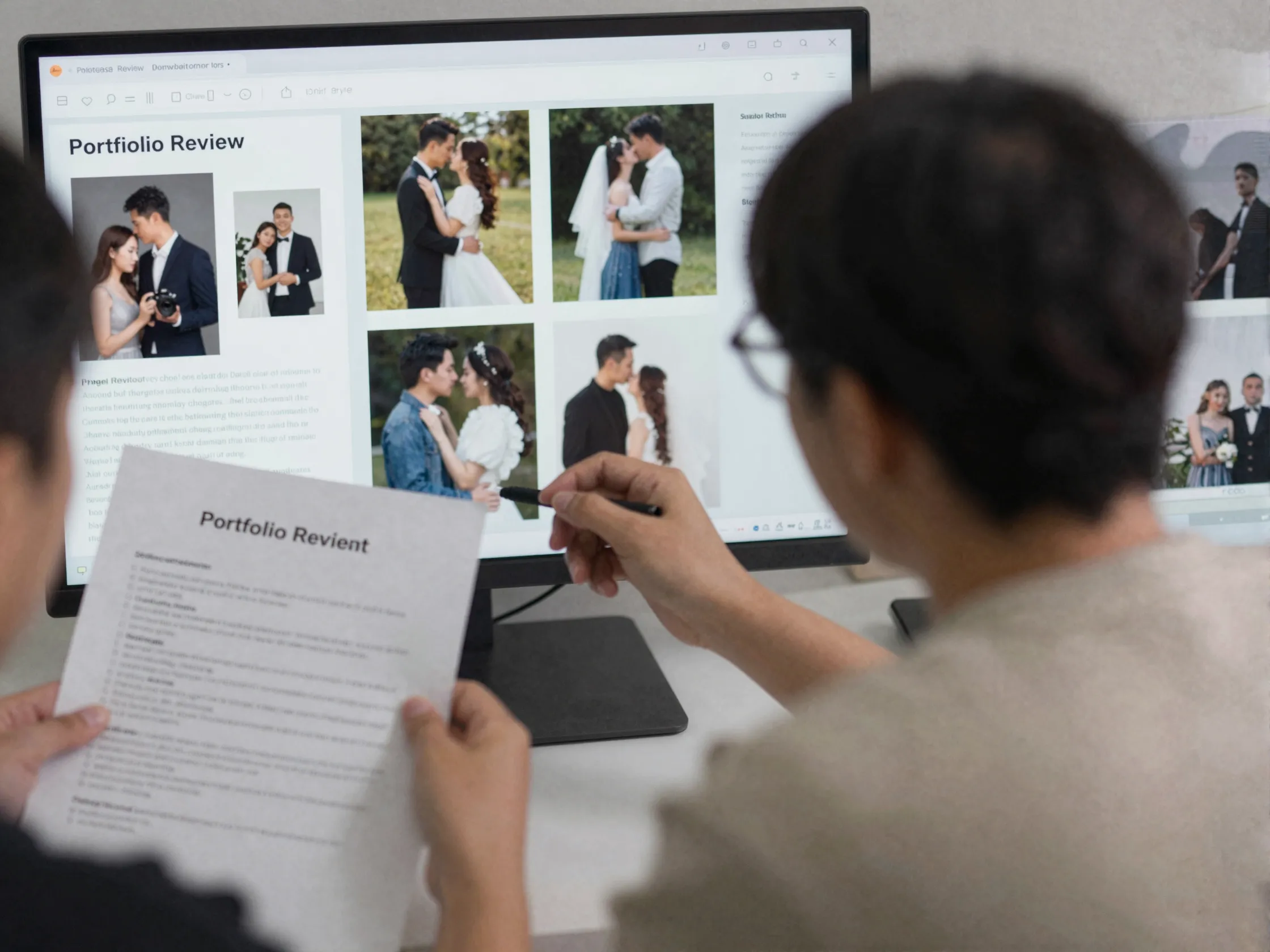
Your wedding photos are the one thing you’ll have forever. The flowers will wilt, the cake will be eaten, the music will fade — but your photos will last a lifetime. This is why 57% of couples prioritize spending on a photographer above almost any other vendor [1].
Great wedding photographers book up fast. In popular markets, top photographers can be booked 12–18 months in advance. Don’t make the mistake of securing your venue and then discovering your dream photographer is already taken for your date.
What to look for in a wedding photographer:
- A consistent style that matches your vision (editorial, documentary, fine art, etc.)
- A full wedding portfolio — not just highlight shots
- Clear contracts outlining deliverables, timelines, and rights
- Personality fit — you’ll spend your entire wedding day with this person
- Backup equipment and contingency plans
Questions to ask before booking:
- How many weddings do you shoot per weekend?
- What happens if you have an emergency on our wedding day?
- When will we receive our final gallery?
- Do you bring a second shooter?
8. Build Your Vendor Team Strategically

Once your venue and photographer are booked, it’s time to build out the rest of your vendor team. Think of this as assembling a crew — each person has a role, and the best teams work well together.
Typical vendor timeline for a wedding 12–18 months out:
| Vendor | When to Book |
|---|---|
| Venue | 12–18 months before |
| Photographer | 12–18 months before |
| Videographer | 10–14 months before |
| Caterer (if separate) | 9–12 months before |
| Band or DJ | 9–12 months before |
| Florist | ~5–6 months before [1] |
| Hair & Makeup | 6–9 months before |
| Officiant | 9–12 months before |
| Wedding Planner/Coordinator | As early as possible |
Tips for vetting vendors:
- Read reviews on multiple platforms (Google, The Knot, WeddingWire)
- Ask for references from recent couples
- Meet in person or via video call before signing anything
- Get everything in writing — payment schedules, cancellation policies, deliverables
9. Leverage Technology and AI to Stay Organized
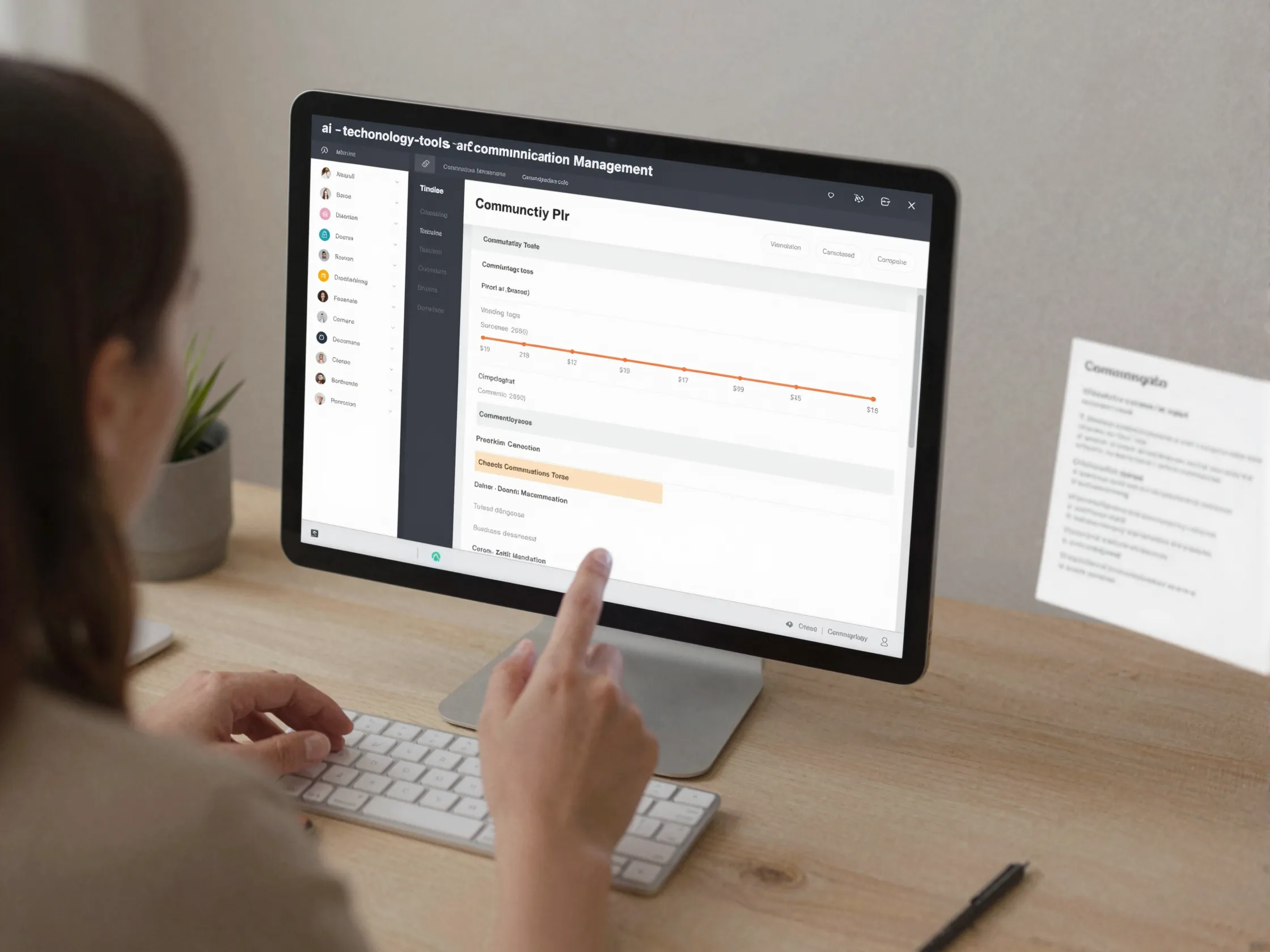
Here’s a step that would have seemed futuristic just a few years ago — but in 2026, it’s become a genuine planning essential. AI adoption in wedding planning has grown 150% in just one year, with 54% of couples now using AI tools to help manage their wedding [2].
What are couples using AI for?
- Answering etiquette questions (54%) — like who pays for what, how to word invitations
- Managing timelines (44%) — building day-of schedules and planning calendars
- Drafting vendor emails (40%) — saving hours of back-and-forth communication
- Creating budgets (27%) — building and adjusting budget spreadsheets
Beyond AI, there are excellent dedicated wedding planning platforms that help you manage guest lists, track RSVPs, build registries, and coordinate vendors all in one place.
Tools worth exploring in 2026:
- Zola — all-in-one planning, registry, and website
- The Knot — vendor marketplace and planning dashboard
- Aisle Planner — professional-grade timeline and budget tools
- Google Sheets — simple, customizable, free budget tracking
- ChatGPT or similar AI — etiquette questions, email drafts, timeline building
🤖 Using AI doesn’t mean losing the personal touch — it means spending less time on logistics and more time on the decisions that actually matter to you.
How Do You Plan a Wedding Without Losing Your Mind? Managing Stress Along the Way
Even with the best plan, wedding planning comes with stress. Here’s how to keep it manageable:
1. Set boundaries with social media. With 87% of couples making planning decisions based on social media inspiration [1], it’s easy to fall into comparison traps. Curate your feeds intentionally, and always run ideas through your budget filter before falling in love with them.
2. Assign roles clearly. Decide early who handles what — one partner manages vendor communication, the other handles the guest list, for example. This prevents duplication and resentment.
3. Schedule regular check-ins. Set a weekly or bi-weekly “wedding meeting” with your partner. Keep it time-boxed (30–60 minutes) so planning doesn’t bleed into every conversation.
4. Hire a coordinator if you can. Even a day-of coordinator can dramatically reduce stress in the final weeks. They handle logistics so you can actually enjoy your wedding.
5. Remember the point. You’re planning a celebration of your relationship. When decisions feel overwhelming, come back to that.
Conclusion: Your Wedding Planning Journey Starts With One Step
So, how do you plan a wedding? You start with intention, not perfection. You have the honest conversations, set the real budget, make the strategic bookings, and build a team you trust. You use the tools available to you — including AI — to stay organized without burning out. And you keep coming back to why you’re doing this in the first place.
The 9 steps outlined in this guide give you a proven framework for starting your wedding planning journey on solid footing. You don’t need to figure everything out at once. You just need to take the next right step.
Your action plan for this week:
- ✅ Schedule a “big conversation” date with your partner
- ✅ List all potential budget contributors and get firm numbers
- ✅ Draft your Tier 1 guest list
- ✅ Identify your preferred wedding season or date window
- ✅ Start researching venues in your area and price range
The wedding of your dreams is absolutely achievable — it just takes a clear plan, a realistic budget, and a willingness to make decisions together. You’ve got this. 💍
References
[1] Wedding Industry Statistics – https://saradoesseo.com/wedding-marketing/wedding-industry-statistics/
[2] The First Look Report 2026 – https://www.zola.com/expert-advice/the-first-look-report-2026
[3] Wedding Statistics – https://www.kandephotobooths.com/blog/wedding-statistics/
[4] The Knot Worldwide Unveils 2026 Real Weddings Study – https://www.theknotww.com/press-releases/the-knot-worldwide-unveils-2026-real-weddings-study/
[5] Knots 2026 Wedding Report – https://www.jckonline.com/editorial-article/knots-2026-wedding-report/
[6] Future Of Marriage 2026 Trends To Watch Report – https://www.theknotww.com/blog/future-of-marriage-2026-trends-to-watch-report/
[7] Real Weddings Study – https://www.theknot.com/content/wedding-data-insights/real-weddings-study
[8] Wedding Planning In 2026 What Couples Need To Know Now – https://www.justluxe.com/community/wedding-planning-in-2026-what-couples-need-to-know-now-920031049/
[9] How To Start Wedding Planning In 2026 Stress Free – https://www.davidsbridal.com/content/wedding-planning/how-to-start-wedding-planning-in-2026-stress-free