7 Tips for Capturing the Perfect Vintage Photo Booth Pictures
Step into any event today, and chances are you’ll spot a vintage photo booth drawing crowds with its nostalgic charm and timeless appeal. These delightful contraptions have become the centerpiece of weddings, parties, and corporate events, offering guests a chance to create memorable keepsakes that capture the essence of bygone eras. However, mastering the art of vintage photo booth photography requires more than simply stepping inside and pressing a button.
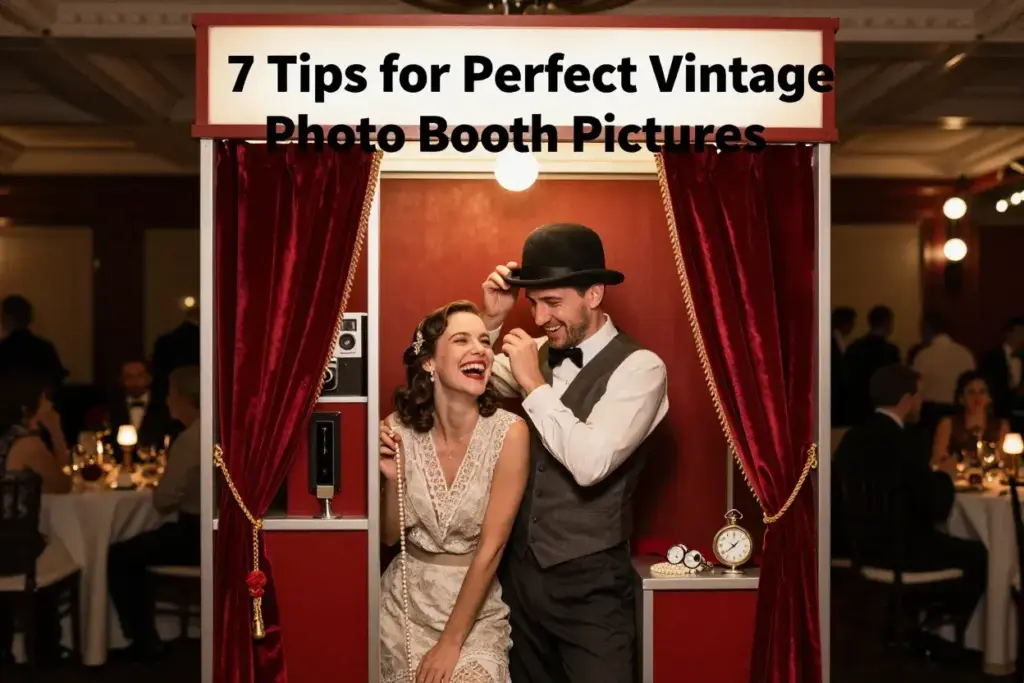
The magic of vintage photo booths lies in their ability to transport us back to simpler times while creating lasting memories. Whether you’re planning an event or simply want to make the most of your next photo booth encounter, understanding the nuances of vintage photography can transform ordinary snapshots into extraordinary mementos. These 7 Tips for Capturing the Perfect Vintage Photo Booth Pictures will help you navigate the unique challenges and opportunities that come with this beloved form of photography.
Key Takeaways
- Lighting mastery is crucial for authentic vintage aesthetics – use warm, soft lighting and avoid harsh flashes
- Strategic prop selection and thoughtful positioning create depth and visual interest in your vintage photos
- Understanding camera settings and vintage photo booth mechanics ensures optimal image quality
- Pose planning and expression coordination help capture genuine emotions within the vintage theme
- Timing and preparation are essential for making the most of your photo booth session
Understanding the Appeal of Vintage Photo Booth Photography
Vintage photo booths have experienced a remarkable renaissance in recent years, with the global photo booth market projected to reach $4.7 billion by 2027 [1]. This surge in popularity stems from our collective desire for authentic, tangible experiences in an increasingly digital world. Unlike modern digital photography, vintage photo booths offer immediate gratification through physical prints while maintaining the charming imperfections that make each image unique.
The aesthetic appeal of vintage photography lies in its distinctive characteristics: soft grain, warm tones, and the subtle imperfections that digital filters attempt to replicate. These elements combine to create images that feel both nostalgic and timeless, making them perfect for special occasions and memorable events.
Understanding what makes vintage photo booth pictures special is the first step in mastering the techniques needed to capture them effectively. The interplay between lighting, composition, and timing creates opportunities for truly exceptional photographs that stand out from typical digital snapshots.
Essential Equipment and Setup Considerations
Before diving into the specific techniques for capturing perfect vintage photo booth pictures, it’s important to understand the equipment and setup considerations that will impact your results. Vintage photo booths typically use film or film-style digital cameras that produce characteristic grain and color saturation.
Camera Types and Settings
Most authentic vintage photo booths operate with medium format cameras or digital systems designed to mimic film characteristics. These cameras often have fixed focal lengths and limited adjustment options, which means understanding their capabilities is crucial for optimal results.
Key technical considerations include:
- Shutter speed: Usually fixed at 1/60th to 1/125th of a second
- Aperture: Typically set between f/8 and f/11 for optimal depth of field
- ISO sensitivity: Generally low (100-400) to minimize grain while maintaining image quality
- Flash synchronization: Carefully timed to avoid overexposure
Booth Dimensions and Space Planning
Vintage photo booths typically measure 4 feet wide by 6 feet deep, providing limited space for positioning and movement. This constraint requires careful planning of poses and prop placement to maximize the visual impact of each shot.
The seated bench height usually ranges from 16 to 18 inches, accommodating 2-4 people comfortably. Understanding these spatial limitations helps in planning group compositions and ensuring everyone fits within the frame effectively.
1. Master the Art of Vintage Lighting Techniques
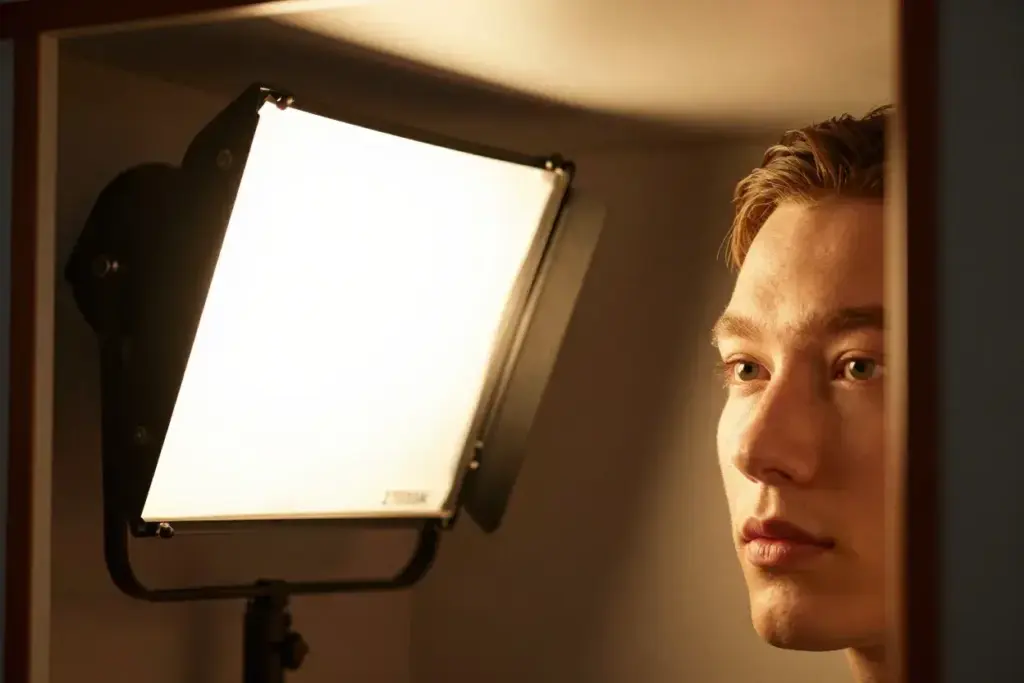
Lighting serves as the foundation for all exceptional vintage photo booth pictures. Unlike modern photography that often relies on bright, even illumination, vintage aesthetics thrive on warm, soft lighting that creates depth and character in every image.
The most effective vintage photo booth lighting employs tungsten bulbs or warm LED systems that produce color temperatures between 2700K and 3200K. This warm light naturally enhances skin tones and creates the golden, nostalgic atmosphere that defines vintage photography.
Understanding Natural vs. Artificial Light Balance
Many vintage photo booths benefit from a combination of ambient lighting and controlled flash. The ambient lighting provides the warm base tone, while a carefully diffused flash fills in shadows and ensures proper exposure of facial features.
Professional lighting tips include:
- Position key lights at 45-degree angles to create flattering facial shadows
- Use fill lighting to reduce contrast and maintain detail in darker areas
- Employ backlighting sparingly to create subtle rim lighting effects
- Avoid direct overhead lighting that creates unflattering shadows under eyes and nose
Dealing with Common Lighting Challenges
Vintage photo booths often present unique lighting challenges that require creative solutions. Uneven illumination can result from aging bulbs or poorly positioned fixtures, while color temperature mismatches between different light sources can create unwanted color casts.
To address these issues, consider bringing portable LED panels with adjustable color temperature settings. These can supplement existing booth lighting and ensure consistent, flattering illumination across all subjects.
“The secret to perfect vintage photo booth lighting lies in embracing the imperfections while maintaining enough control to ensure flattering results for every subject.” – Professional Event Photographer
2. Strategic Prop Selection and Placement for Vintage Photo Booth Pictures
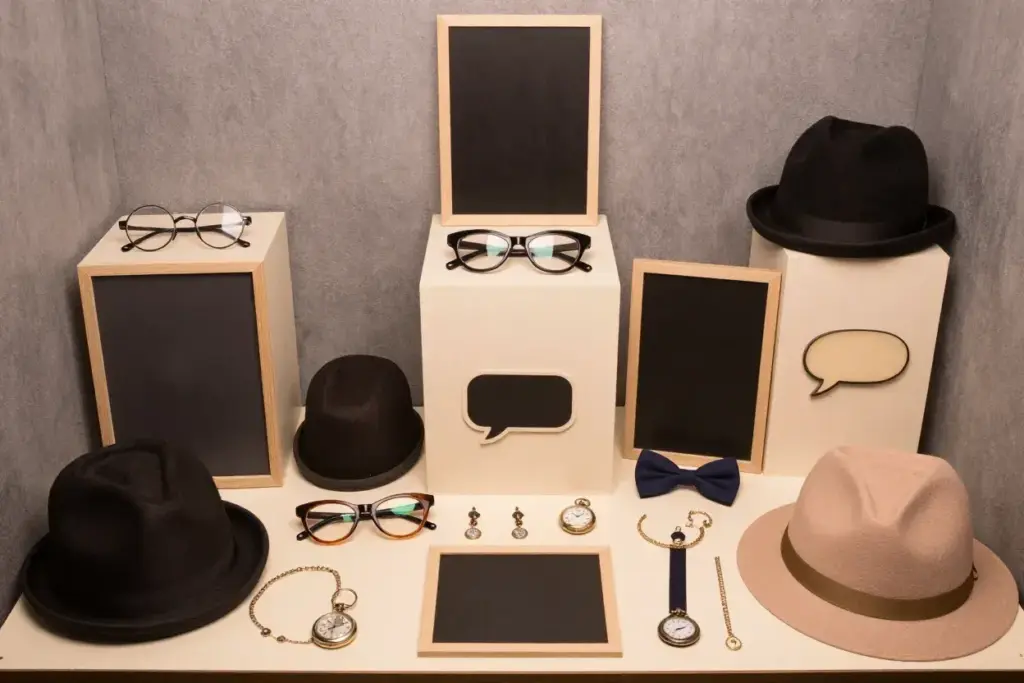
Props transform ordinary photo booth sessions into extraordinary vintage experiences. The key to successful prop integration lies in selecting items that enhance rather than overwhelm the vintage aesthetic while providing natural interaction opportunities for subjects.
Authentic Vintage Props vs. Modern Reproductions
Authentic vintage items such as antique glasses, pocket watches, and vintage hats carry inherent character that translates beautifully in photographs. However, high-quality reproductions can be equally effective while offering better durability and hygiene for public use.
Essential vintage prop categories include:
- Eyewear: Round spectacles, cat-eye glasses, monocles
- Headwear: Bowler hats, cloche hats, fedoras, fascinators
- Accessories: Pocket watches, vintage jewelry, bow ties, suspenders
- Signage: Chalkboards, vintage-style speech bubbles, period-appropriate text
Prop Arrangement and Accessibility
Strategic prop placement ensures easy access while maintaining visual appeal throughout the photo session. Create designated prop stations at different heights to accommodate various group sizes and ages.
Consider implementing a prop rotation system that introduces fresh elements throughout longer events. This approach maintains novelty while ensuring popular items remain available to all guests.
Color Coordination and Theme Consistency
Color harmony between props and the overall vintage aesthetic creates cohesive, professional-looking results. Focus on earth tones, sepia ranges, and muted jewel tones that complement vintage color palettes.
Avoid bright neon colors or modern branded items that can break the vintage illusion. Instead, choose props that could believably exist in the era you’re trying to recreate.
Advanced Techniques for Perfect Vintage Photo Booth Pictures
Moving beyond basic setup considerations, advanced techniques for capturing perfect vintage photo booth pictures focus on the nuanced aspects of composition, timing, and technical execution that separate good photos from exceptional ones.
3. Composition and Framing Mastery
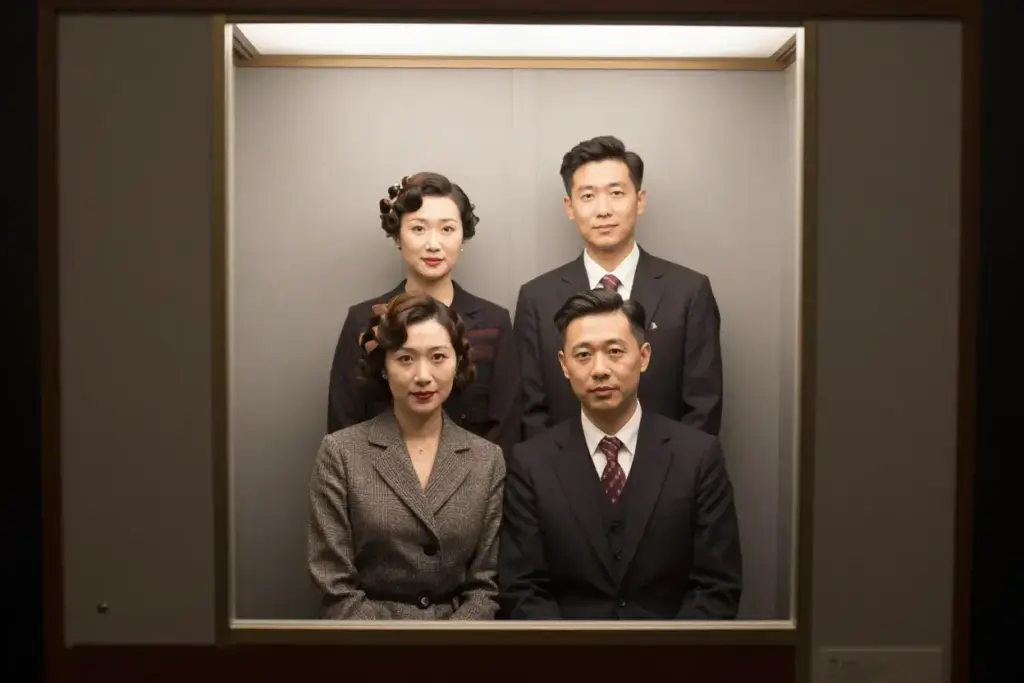
Composition in vintage photo booth photography requires balancing the constraints of limited space with the principles of visual design. The rule of thirds remains relevant, but vintage aesthetics often benefit from centered compositions that reflect the formal portrait traditions of earlier eras.
Advanced composition techniques include:
- Layered positioning that creates depth within the shallow booth space
- Asymmetrical balance using props and subjects of varying visual weights
- Leading lines created through prop placement and body positioning
- Negative space utilization to prevent cluttered, overwhelming images
Frame Filling vs. Breathing Room
Vintage photo booths typically produce 4:3 or square aspect ratios, which influence how subjects should be positioned within the frame. Tight cropping can create intimate, engaging portraits, while looser framing allows for more elaborate prop displays and group interactions.
Consider the final print size when planning compositions. Images intended for wallet-sized prints require different compositional approaches than those designed for larger display formats.
4. Perfecting Poses and Expressions
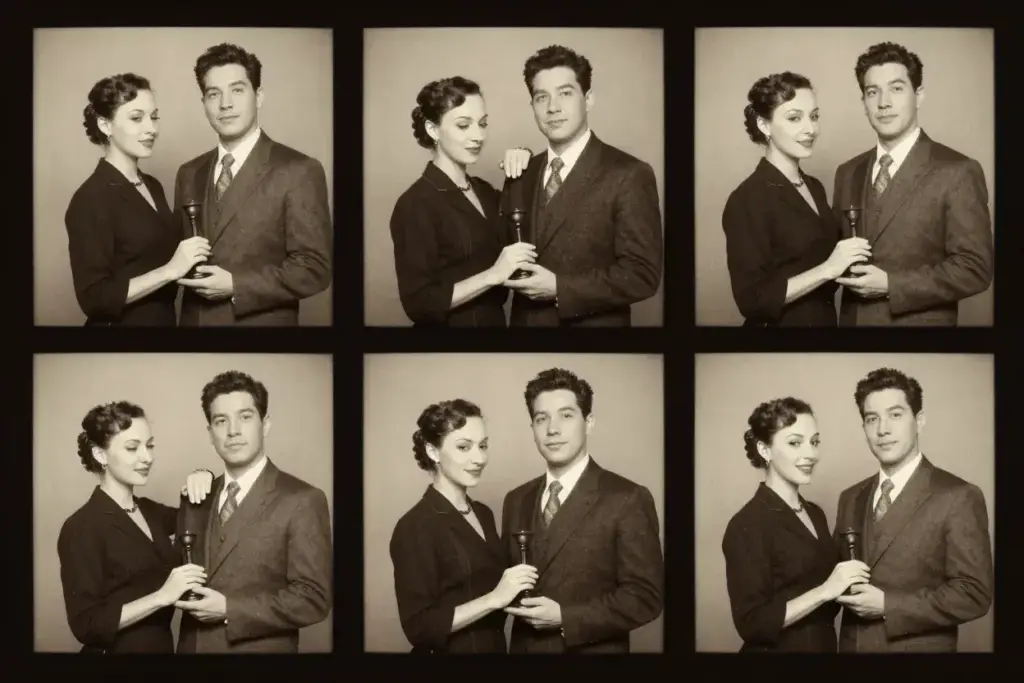
Authentic vintage poses draw inspiration from the formal portrait traditions of the early-to-mid 20th century. Unlike modern casual photography, vintage aesthetics often favor structured poses with deliberate expressions that convey dignity and sophistication.
Individual Positioning Techniques
For single subjects, classic vintage poses include:
- Three-quarter turns with the body angled away from the camera
- Hands positioned on props or in elegant, purposeful gestures
- Eye contact that can be direct or thoughtfully averted
- Posture that emphasizes good alignment and confident bearing
Group Dynamics and Interaction
Group poses in vintage photo booth settings require careful orchestration to ensure everyone appears flattering while maintaining the period-appropriate aesthetic. Staggered heights create visual interest, while interconnected poses suggest relationships and shared experiences.
Effective group positioning strategies:
- Triangle arrangements for three-person groups
- Layered depth with some subjects closer to the camera
- Prop sharing that creates natural interaction points
- Coordinated expressions that feel authentic rather than forced
5. Timing and Sequence Planning
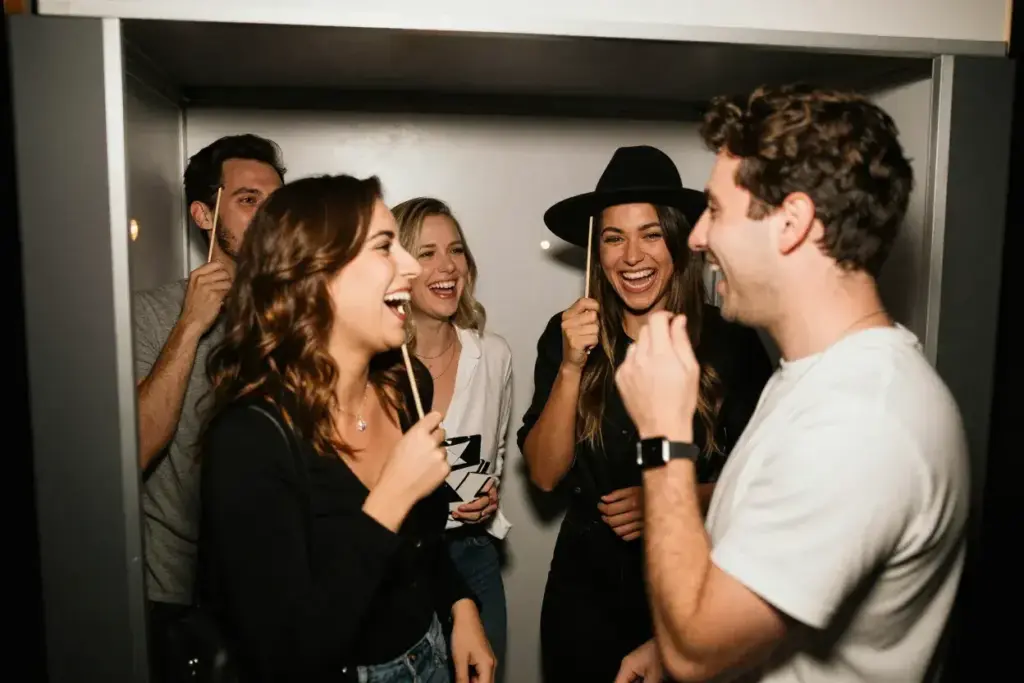
Timing plays a crucial role in vintage photo booth success, particularly when working with automatic systems that provide limited control over when images are captured. Understanding the timing sequence allows subjects to prepare for each shot and ensures optimal results.
Working with Automatic Systems
Most vintage photo booths operate on preset timing sequences that typically provide 10-15 seconds between shots. This interval allows time for pose changes and prop adjustments while maintaining the spontaneous feel that makes photo booth sessions enjoyable.
Timing optimization strategies include:
- Pre-planning pose sequences before entering the booth
- Designating a leader to guide timing and transitions
- Practicing prop exchanges to ensure smooth execution
- Allowing buffer time for natural expressions to develop
Capturing Candid Moments
While posed shots form the foundation of vintage photo booth photography, candid moments between poses often produce the most memorable and authentic images. These transitional moments capture genuine laughter, surprise, and interaction that perfectly complement more formal compositions.
6. Technical Settings and Quality Control
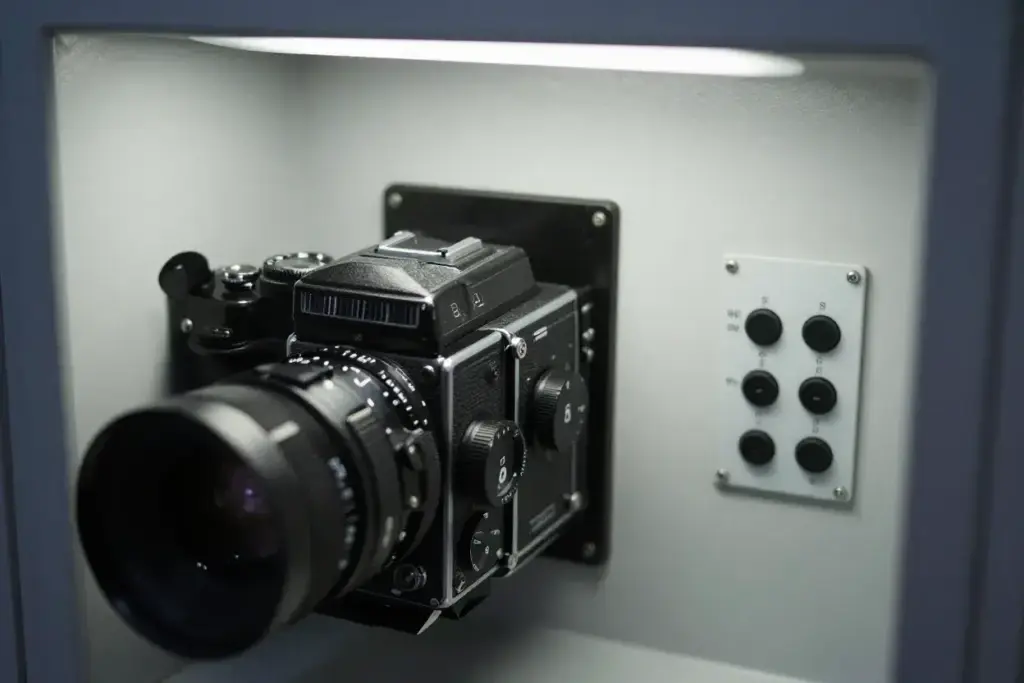
Technical mastery of vintage photo booth systems ensures consistent, high-quality results regardless of varying conditions and user experience levels. Understanding exposure settings, focus points, and color balance helps optimize image quality within the constraints of vintage equipment.
Exposure Optimization
Proper exposure in vintage photo booth photography requires balancing highlight retention with shadow detail. Vintage aesthetics can accommodate slightly overexposed highlights that would be problematic in modern photography, as they contribute to the dreamy, nostalgic quality associated with period images.
Key exposure considerations:
- Skin tone priority to ensure flattering subject rendering
- Background balance to maintain detail without overwhelming subjects
- Contrast management to preserve the vintage look while maintaining printability
- Consistency across sequences to ensure cohesive final results
Focus and Depth of Field Management
Focus accuracy becomes critical in vintage photo booth photography due to the limited depth of field typical of period-appropriate lenses. Group shots require careful attention to focus placement to ensure all subjects appear sharp and well-defined.
Professional focus techniques include:
- Hyperfocal distance calculations for maximum group sharpness
- Focus priority on the most important subject when compromise is necessary
- Depth of field preview to verify acceptable sharpness across all subjects
- Focus confirmation through careful viewfinder or LCD review
7. Post-Processing and Enhancement for Vintage Aesthetics
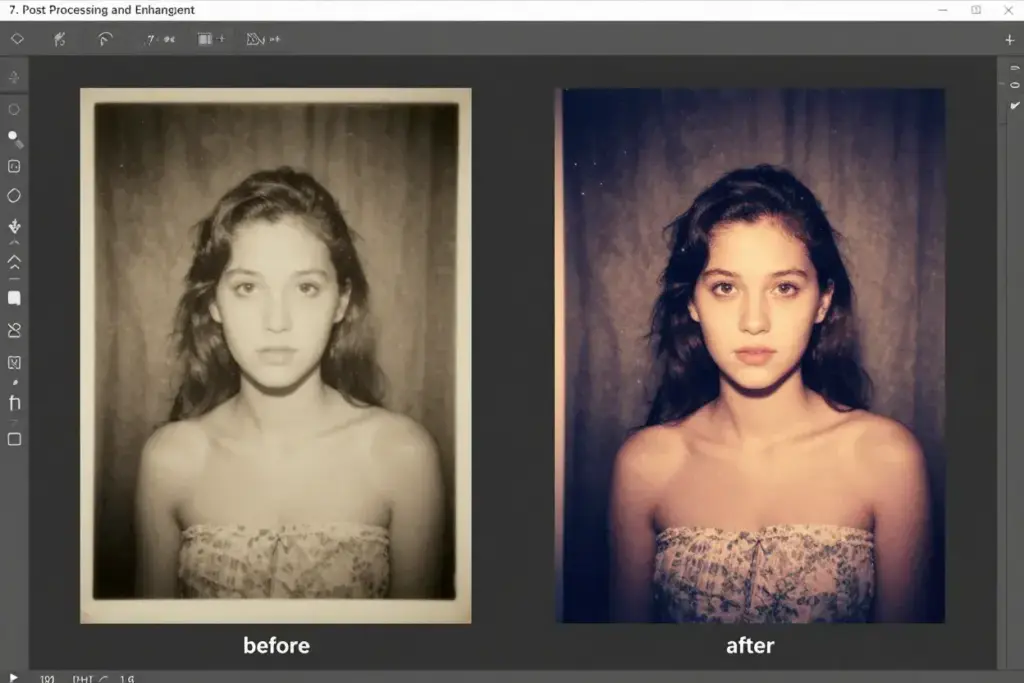
Post-processing vintage photo booth images requires a delicate balance between enhancement and authenticity. The goal is to optimize image quality while preserving the characteristic imperfections that define vintage photography.
Color Grading and Tone Mapping
Vintage color palettes typically feature warm highlights, muted mid-tones, and slightly lifted shadows that create the characteristic flat contrast curve associated with period film stocks. Color grading should enhance these natural tendencies rather than fighting against them.
Essential color adjustments include:
- Warm highlight shifts toward yellow and orange
- Cool shadow tints with subtle blue or purple undertones
- Desaturated mid-tones that prevent oversaturation
- Film grain simulation that matches the aesthetic without overwhelming detail
Contrast and Clarity Optimization
Vintage aesthetics favor lower contrast than modern photography, with gentle transitions between light and dark areas. Clarity adjustments should enhance detail without creating the hyper-sharp look associated with digital processing.
Print Preparation and Output Considerations
Final output quality depends on proper print preparation that accounts for the characteristics of vintage photo booth printing systems. Color space conversion, sharpening, and density adjustments ensure optimal results across different printing technologies.
Professional print optimization includes:
- CMYK color space preparation for traditional printing
- Unsharp mask application optimized for print viewing distances
- Density curve adjustments to compensate for print limitations
- Paper texture considerations that affect final image appearance
Troubleshooting Common Vintage Photo Booth Challenges
Even with careful planning and technical expertise, vintage photo booth sessions can present unexpected challenges that require quick thinking and creative solutions. Understanding common problems and their solutions ensures successful outcomes regardless of circumstances.
Lighting Inconsistencies
Uneven lighting represents one of the most common challenges in vintage photo booth photography. Aging bulbs, misaligned fixtures, and external light interference can all contribute to inconsistent illumination that affects image quality.
Quick solutions include:
- Portable lighting supplements to fill problem areas
- Reflector positioning to redirect existing light more effectively
- Subject repositioning to take advantage of the best available lighting
- Exposure compensation to optimize for the most important areas
Equipment Malfunctions
Vintage equipment can be prone to mechanical issues and timing problems that disrupt photo sessions. Having backup plans and alternative approaches ensures continuity even when primary systems fail.
Space and Crowd Management
Popular photo booths often attract large crowds that can create waiting times and rushed sessions. Efficient crowd management and session optimization help maintain quality while accommodating maximum participation.
Conclusion
Mastering these 7 Tips for Capturing the Perfect Vintage Photo Booth Pictures transforms ordinary photo booth experiences into extraordinary memory-making opportunities. From understanding the technical aspects of vintage lighting and equipment to perfecting poses and expressions that capture the essence of bygone eras, each element contributes to creating images that truly stand the test of time.
The key to success lies in balancing technical proficiency with creative vision, allowing the unique characteristics of vintage photography to enhance rather than constrain your artistic expression. Whether you’re planning an event, operating a photo booth business, or simply want to make the most of your next vintage photo booth encounter, these techniques provide the foundation for consistently exceptional results.
Take action today by practicing these techniques at your next photo booth opportunity. Start with the lighting and composition basics, then gradually incorporate the more advanced strategies as you build confidence and experience. Remember that the best vintage photo booth pictures combine technical excellence with genuine emotion and authentic interaction.
Consider documenting your progress by comparing early attempts with later work as you implement these strategies. This visual record will help you identify which techniques work best for your style and circumstances while building a portfolio of successful vintage photo booth photography.
The timeless appeal of vintage photo booth pictures ensures that mastering these skills will provide value for years to come, whether for personal enjoyment or professional applications. Start implementing these tips today and watch as your vintage photo booth pictures transform from simple snapshots into cherished keepsakes that capture the magic of the moment.
References
[1] Global Photo Booth Market Research Report, Market Research Future, 2026