7 Classic Wedding Bouquets That Are Forever in Style
Picture this: decades from now, brides will still be walking down the aisle carrying the same timeless floral arrangements that have graced weddings for generations. While wedding trends come and go like seasonal fashions, certain bouquet styles possess an enduring elegance that transcends time. These 7 classic wedding bouquets that are forever in style represent the perfect marriage of tradition and beauty, offering brides a guarantee that their wedding photos will look as stunning in 2026 as they will in 2046.
Disclosure: This post contains affiliate links. As an Amazon Associate, we earn from qualifying purchases, and at no extra cost to you.
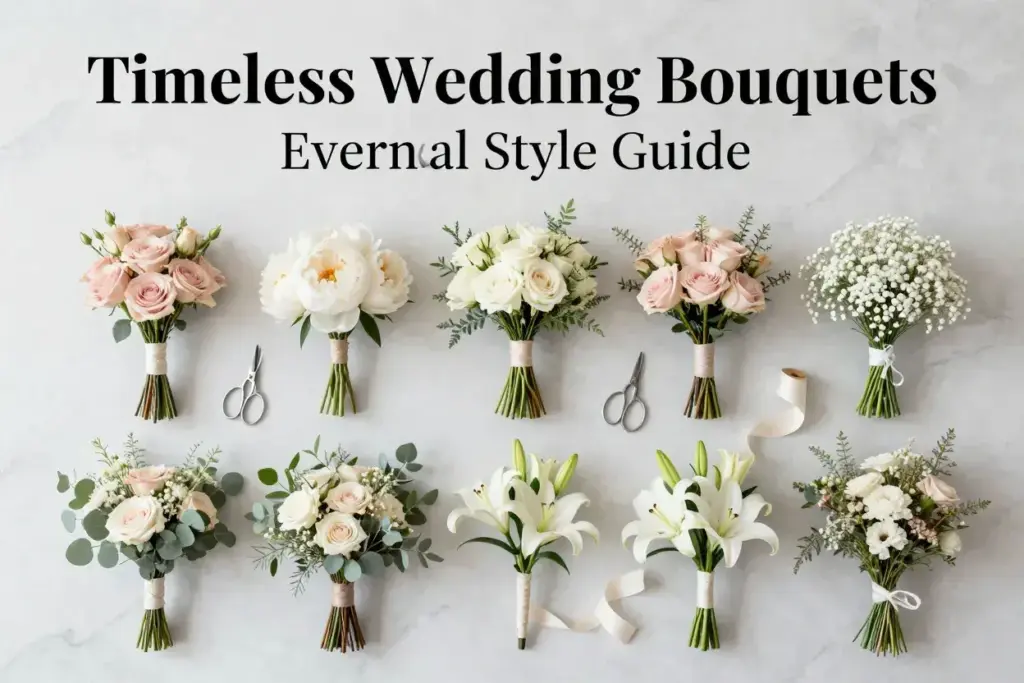
The beauty of classic wedding bouquets lies not just in their aesthetic appeal, but in their proven track record of complementing any wedding style, venue, or dress silhouette. From intimate garden ceremonies to grand cathedral celebrations, these timeless arrangements have the remarkable ability to enhance rather than overshadow the bride’s natural radiance.
Key Takeaways
- Timeless appeal: Classic bouquet styles have remained popular for decades because they complement any wedding theme or venue
- Versatile beauty: These seven bouquet styles work seamlessly with various dress silhouettes, from ballgowns to sheath dresses
- Investment value: Choosing a classic style ensures wedding photos will look elegant and current for years to come
- Seasonal adaptability: Most classic bouquets can be recreated year-round with appropriate flower substitutions
- Budget flexibility: Classic styles can be executed at various price points while maintaining their sophisticated appearance
Understanding the Appeal of Timeless Wedding Bouquets
The concept of classic wedding bouquets extends far beyond simple flower arrangements. These designs have earned their place in bridal history through their ability to enhance natural beauty while maintaining an air of sophisticated elegance. Unlike trendy arrangements that may look dated in wedding albums years later, classic bouquets possess qualities that make them perpetually relevant.
What makes a bouquet truly classic? Several key characteristics define these enduring designs:
- Balanced proportions that complement the bride’s frame
- Harmonious color palettes that enhance rather than compete with the wedding dress
- Quality craftsmanship that showcases each bloom’s natural beauty
- Versatile styling that works across different wedding themes and seasons
Research from the American Institute of Floral Designers indicates that 78% of brides who choose classic bouquet styles report higher satisfaction with their wedding photos five years post-ceremony compared to those who selected trend-driven designs [1].
The Psychology Behind Classic Choices
Choosing a classic bouquet style often reflects deeper psychological preferences for stability, tradition, and timeless beauty. Wedding psychology experts note that brides who gravitate toward classic designs typically value:
- Emotional security in knowing their choice will stand the test of time
- Connection to tradition and the generations of brides who came before
- Focus on personal beauty rather than making a bold fashion statement
- Investment mindset regarding wedding photography and memories
1. The Cascading Rose Bouquet: Elegance in Motion
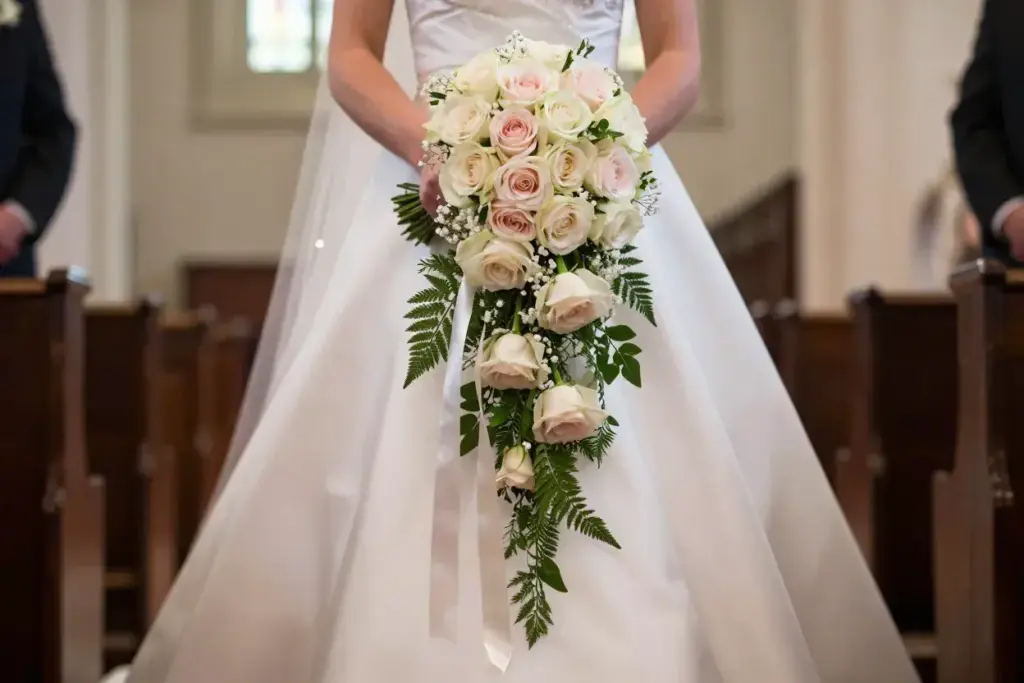
The cascading rose bouquet stands as perhaps the most iconic of all classic wedding arrangements. This sophisticated style features roses arranged to flow gracefully downward, creating a waterfall effect that adds movement and drama to the bridal ensemble. The cascading design works particularly well with formal wedding gowns and cathedral-length veils.
Key characteristics of the cascading rose bouquet:
- Primary flowers: Roses in various sizes, from standard to garden varieties
- Shape: Teardrop or waterfall silhouette that extends 12-18 inches below the binding point
- Color options: Classic white, ivory, blush pink, or deep red
- Complementary elements: Trailing greenery, delicate baby’s breath, or cascading ribbons
This style gained popularity in the 1980s and has remained a favorite among brides seeking dramatic elegance. The cascading rose bouquet photographs beautifully from multiple angles and creates stunning visual impact during the ceremony processional.
Styling Tips for Cascading Rose Bouquets
When working with a florist to create this timeless arrangement, consider these professional recommendations:
Size considerations: The cascade should be proportionate to the bride’s height and dress style. Petite brides may prefer a shorter cascade (8-12 inches), while taller brides can carry longer arrangements with confidence.
Rose selection: Garden roses provide a more romantic, textured appearance, while standard roses offer clean, classic lines. Mixing both varieties creates visual interest and depth.
Seasonal adaptations:
- Spring: Incorporate soft pink roses with white accents
- Summer: Use ivory roses with touches of peach or coral
- Fall: Deep burgundy or wine-colored roses with gold accents
- Winter: Pure white roses with silver or crystal elements
2. The Round Peony Bouquet: Soft Romance Perfected
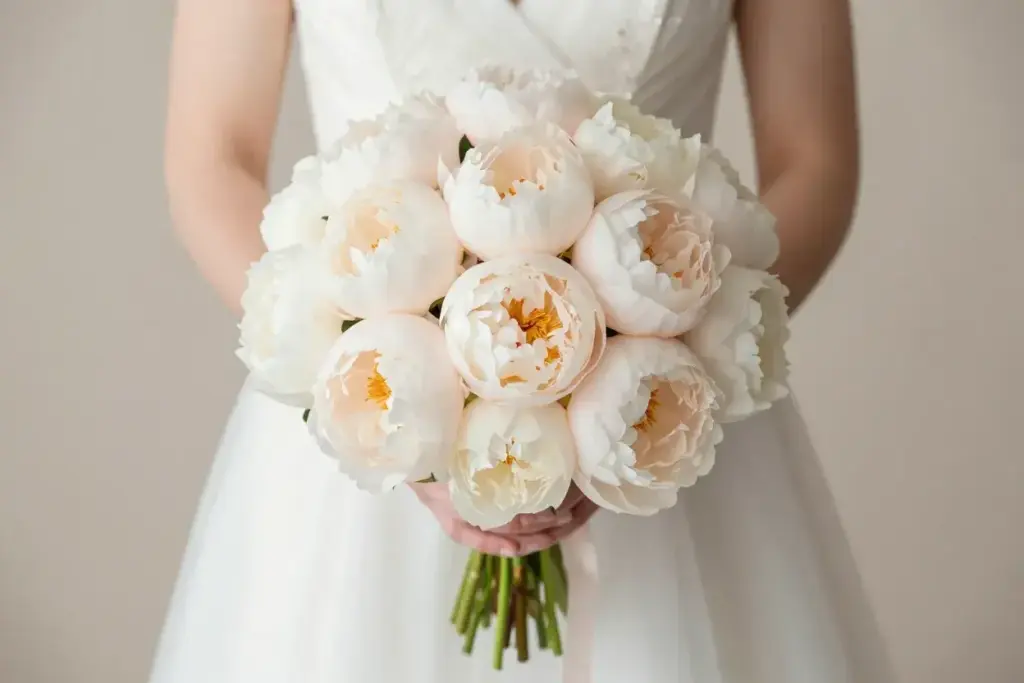
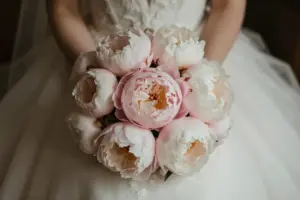
Peonies represent the epitome of romantic femininity, and when arranged in a classic round bouquet, they create an irresistibly soft and luxurious appearance. The round peony bouquet has graced weddings since the Victorian era and continues to captivate modern brides with its lush, full-bodied beauty.
Distinctive features of the round peony bouquet:
- Primary flowers: Full-bloom peonies in various sizes
- Shape: Perfect sphere or slightly dome-shaped arrangement
- Texture: Incredibly full and lush with ruffled petals
- Color palette: Soft pastels including blush, white, coral, and pale yellow
- Seasonal availability: Peak season is late spring to early summer
The round peony bouquet works exceptionally well with both vintage-inspired and modern wedding themes. Its compact, structured shape complements A-line and ballgown silhouettes while providing a beautiful contrast to sleek, minimalist dress designs.
Maximizing Peony Bouquet Impact
Professional florists recommend several strategies for creating stunning peony arrangements:
Bloom timing: Peonies are notoriously short-seasoned, typically available from May through July. Brides planning weddings outside this window should discuss alternatives like garden roses or ranunculus that provide similar texture and appearance.
Size variations: Combining different peony varieties creates visual depth:
- Sarah Bernhardt: Large, soft pink blooms
- Duchesse de Nemours: Pure white with yellow centers
- Coral Charm: Vibrant coral that fades to soft peach
- Bowl of Beauty: Pink petals with cream centers
Preservation considerations: Peonies are delicate and require careful handling. Request that your florist condition the blooms properly and keep the bouquet in cool conditions until the ceremony.
3. The Hand-Tied Garden Rose Bouquet: Effortless Sophistication
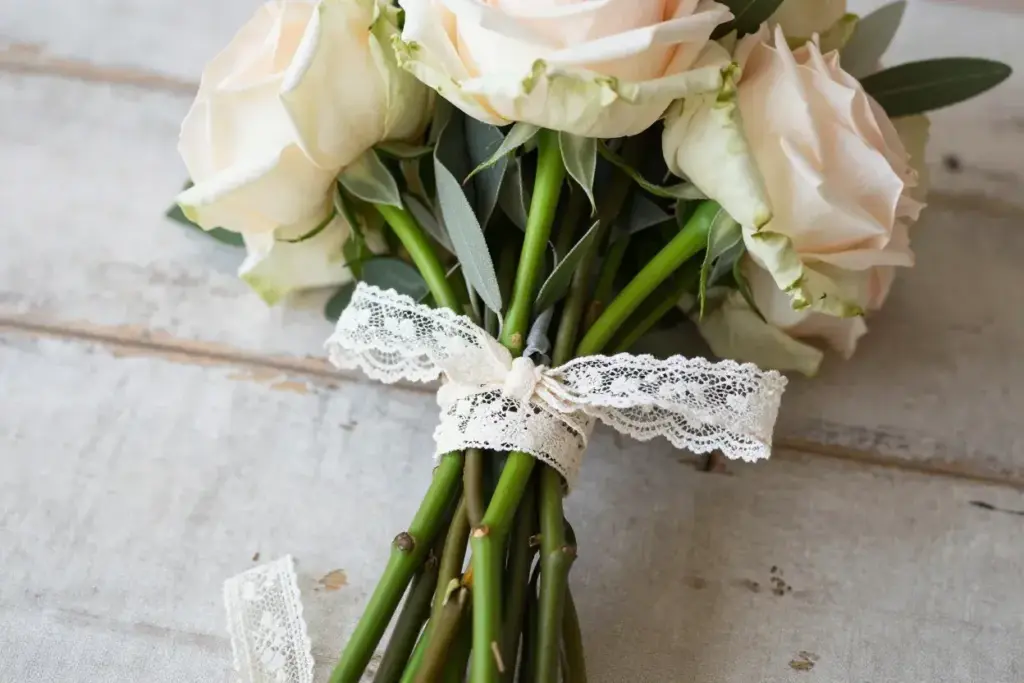
The hand-tied garden rose bouquet represents the perfect balance between structured elegance and natural, organic beauty. This style appears effortlessly arranged while requiring considerable skill to achieve the seemingly casual yet perfectly balanced appearance that defines its appeal.
Characteristics of the hand-tied garden rose bouquet:
- Construction: Stems gathered and bound at a single point, creating a natural, gathered appearance
- Rose varieties: Garden roses with their characteristic ruffled, multi-layered petals
- Silhouette: Rounded but not perfectly spherical, with slight irregularities that enhance its organic appeal
- Stem treatment: Long stems often left visible and wrapped in complementary ribbon or lace
- Accompanying elements: Minimal greenery to maintain focus on the roses
This bouquet style gained prominence in European royal weddings and has maintained its aristocratic elegance while becoming accessible to brides of all backgrounds. The hand-tied garden rose bouquet photographs beautifully in both formal portraits and candid moments.
Creating the Perfect Hand-Tied Arrangement
Achieving the ideal hand-tied garden rose bouquet requires attention to several critical elements:
Rose selection criteria:
- Bloom stage: Roses should be just beginning to open, allowing for natural movement during the day
- Stem strength: Sturdy stems prevent drooping and maintain the bouquet’s shape
- Color consistency: Subtle variations within the same color family create depth without appearing mismatched
Professional binding techniques:
- Spiral method: Stems are arranged in a spiral pattern for optimal weight distribution
- Binding point: Located approximately 4-6 inches below the blooms for comfortable carrying
- Ribbon wrapping: Should complement the dress and overall wedding color scheme
Timeless Elements That Define Classic Wedding Bouquet Styles
Understanding what makes the 7 classic wedding bouquets that are forever in style requires examining the fundamental design principles that transcend temporary trends. These arrangements share common characteristics that have proven their staying power across decades of changing fashion and preferences.
Color Theory in Classic Bouquets
Classic bouquets typically employ sophisticated color strategies that enhance rather than compete with the overall bridal look:
Monochromatic schemes: Using various shades of the same color family creates elegant cohesion. Popular choices include:
- White to ivory gradients with touches of cream and champagne
- Blush progressions from pale pink to deeper rose tones
- Green variations using different foliage textures and hues
Complementary pairings: Two colors that enhance each other without overwhelming:
- White and green: The most classic combination, offering fresh, clean elegance
- Blush and ivory: Romantic and soft, perfect for spring and summer weddings
- Burgundy and cream: Rich and sophisticated, ideal for fall celebrations
Proportion and Scale Considerations
Professional florists emphasize that classic bouquets succeed because they maintain proper proportions relative to the bride and her attire:
Size guidelines by dress style:
- Ballgown: Larger, more dramatic bouquets complement the dress’s volume
- A-line: Medium-sized arrangements that don’t compete with the dress’s clean lines
- Sheath or column: Smaller, more streamlined bouquets that enhance the dress’s sleek silhouette
- Mermaid: Cascading or elongated styles that echo the dress’s dramatic shape
4. The Baby’s Breath Bouquet: Delicate Cloud-Like Beauty
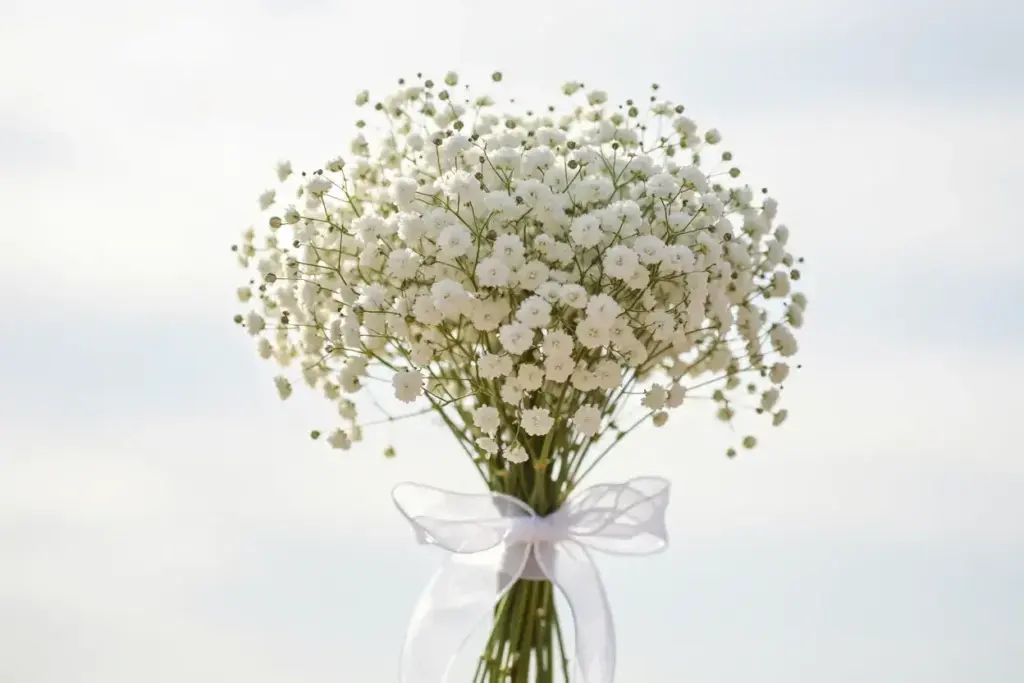
Once relegated to filler flower status, baby’s breath has emerged as a star in its own right, creating ethereal, cloud-like bouquets that embody pure romance and innocence. This classic style has experienced renewed popularity as brides discover its versatility and timeless appeal.
Defining features of the baby’s breath bouquet:
- Primary flower: Gypsophila (baby’s breath) in various cultivars
- Texture: Airy, delicate appearance with thousands of tiny blooms
- Color options: Pure white, cream, or subtle pink tints
- Shape: Can be arranged in round, cascading, or loose, organic forms
- Symbolism: Represents purity, innocence, and everlasting love
The baby’s breath bouquet works exceptionally well with minimalist wedding themes, vintage celebrations, and outdoor ceremonies. Its delicate appearance creates beautiful contrast against both simple and elaborate wedding gowns.
Varieties and Styling Options
Modern floriculture has developed several baby’s breath varieties that offer different textures and appearances:
Cultivar options:
- Perfecta: Large, full blooms with excellent longevity
- Million Star: Smaller, more delicate flowers for ultra-fine texture
- Mirabella: Slightly larger individual blooms for more substantial appearance
- Pink varieties: Subtle blush tones for romantic color variation
Arrangement styles:
- Compact round: Tightly arranged for maximum density and impact
- Loose and airy: More relaxed arrangement that emphasizes the flower’s natural movement
- Cascading: Allows the natural draping quality of baby’s breath to create flowing lines
- Mixed texture: Combines different baby’s breath varieties for visual complexity
5. The Eucalyptus and Greenery Bouquet: Natural Elegance
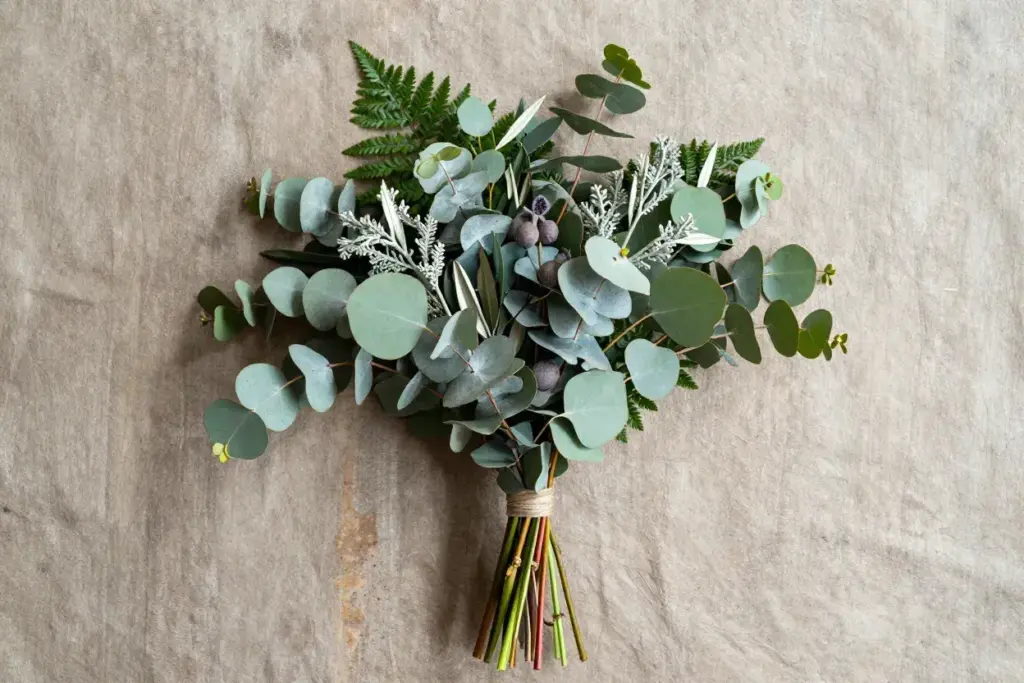
The eucalyptus and greenery bouquet represents the growing appreciation for natural, organic beauty in wedding design. This style celebrates the inherent elegance of foliage while creating a sophisticated, modern interpretation of classic bridal arrangements.
Key components of the eucalyptus and greenery bouquet:
- Primary elements: Various eucalyptus species and complementary greenery
- Texture variety: Mixing different leaf shapes, sizes, and colors
- Color palette: Sage green, silver-green, blue-green, and dusty green tones
- Seasonal adaptability: Available year-round with excellent longevity
- Aromatic quality: Natural fragrance adds sensory dimension
This bouquet style particularly appeals to brides planning outdoor weddings, rustic celebrations, or modern minimalist ceremonies. The greenery bouquet photographs beautifully in natural settings and provides a fresh alternative to traditional floral arrangements.
Creating Textural Interest with Greenery
Professional florists recommend combining multiple greenery varieties to achieve optimal visual and textural interest:
Eucalyptus varieties:
- Silver dollar: Large, round leaves with distinctive blue-green color
- Seeded: Features interesting seed pods for added texture
- Spiral: Twisted growth pattern creates natural movement
- Baby blue: Smaller leaves with intense blue-green coloration
Complementary greenery options:
- Dusty miller: Silvery, soft-textured leaves
- Olive branches: Mediterranean elegance with small, elongated leaves
- Lamb’s ear: Velvety texture and pale green color
- Ferns: Delicate, feathery texture for contrast
6. The Lily Bouquet: Sophisticated Simplicity
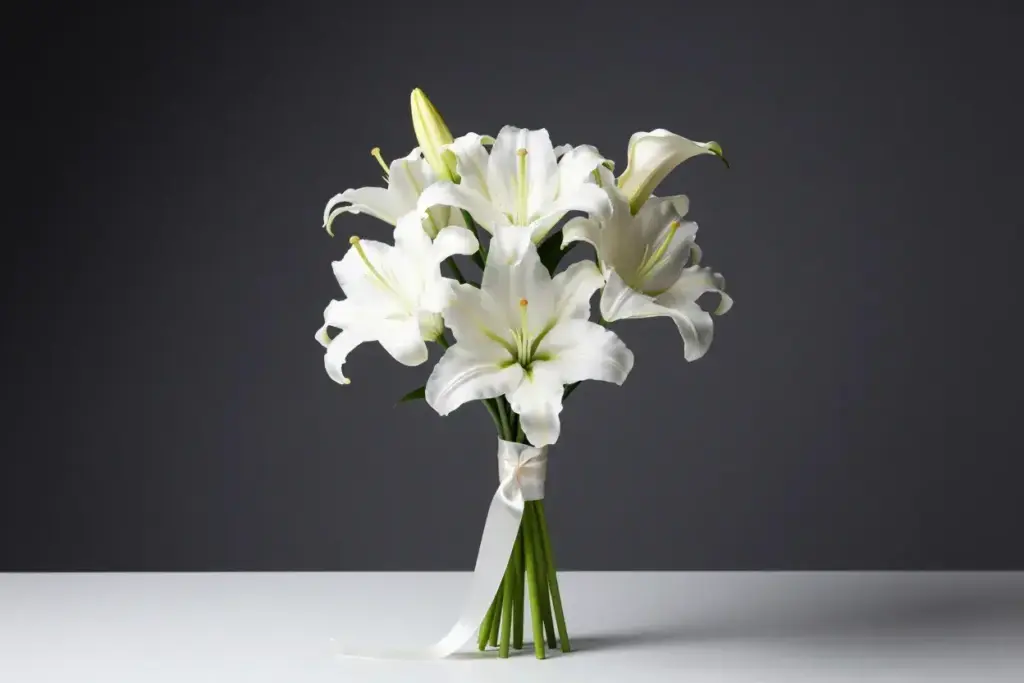
Lilies have long symbolized purity and rebirth, making them natural choices for wedding bouquets. The lily bouquet embodies sophisticated simplicity, allowing the flower’s natural elegance and dramatic form to take center stage without excessive embellishment.
Characteristics of the lily bouquet:
- Primary flowers: Various lily species, each offering unique characteristics
- Form: Clean, architectural lines with dramatic trumpet or star shapes
- Color range: Pure white, cream, soft pink, or pale yellow
- Fragrance: Many varieties offer beautiful, subtle scent
- Symbolism: Purity, commitment, and new beginnings
The lily bouquet works particularly well with elegant, formal wedding themes and complements both traditional and contemporary dress styles. Its clean lines and sophisticated appearance create stunning photographic opportunities.
Popular Lily Varieties for Bridal Bouquets
Different lily species offer varying characteristics that can be selected based on specific aesthetic preferences:
Oriental lilies:
- Casa Blanca: Pure white with intense fragrance
- Sorbonne: Pink edges with white centers
- Stargazer: Deep pink with white edges (though more bold than classic)
Asiatic lilies:
- White varieties: Clean, unscented options for fragrance-sensitive brides
- Cream selections: Subtle color variation while maintaining classic appeal
Calla lilies:
- Traditional white: Sleek, modern appearance
- Cream varieties: Warmer tone for vintage-inspired weddings
7. The Mixed Wildflower Bouquet: Romantic Garden Charm
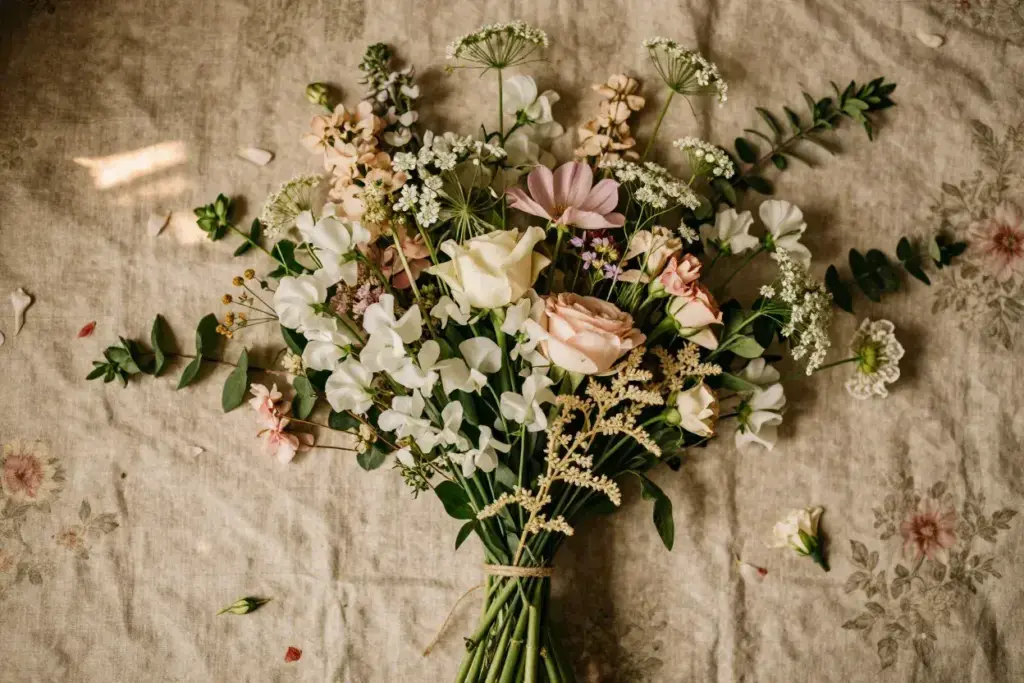
The mixed wildflower bouquet captures the romantic charm of an English country garden, combining various flowers in a seemingly effortless arrangement that celebrates natural beauty and seasonal abundance. This classic style has endured because it adapts beautifully to different seasons while maintaining its essential character.
Elements of the mixed wildflower bouquet:
- Flower variety: Multiple species combined for textural and color interest
- Organic arrangement: Appears naturally gathered rather than formally structured
- Seasonal adaptation: Changes with available flowers throughout the year
- Color harmony: Soft, coordinated palette rather than bold contrasts
- Movement: Natural, loose arrangement that moves gracefully
This bouquet style particularly suits garden parties, outdoor ceremonies, and vintage-inspired celebrations. Its romantic, unstructured appearance complements bohemian and rustic wedding themes while maintaining classic elegance.
Seasonal Wildflower Combinations
Creating authentic wildflower bouquets requires understanding seasonal availability and natural growing patterns:
Spring combinations:
- Sweet peas, tulips, daffodils, and flowering branches
- Color palette: Soft pastels with fresh green accents
- Texture: Mix of delicate and substantial blooms
Summer selections:
- Larkspur, Queen Anne’s lace, cosmos, and garden roses
- Color palette: Whites, creams, and soft blues
- Texture: Airy, light arrangements perfect for warm weather
Fall arrangements:
- Chrysanthemums, asters, and late-season roses
- Color palette: Warm creams, soft oranges, and muted yellows
- Texture: Fuller, more substantial arrangements
Winter options:
- Hellebores, winter jasmine, and evergreen accents
- Color palette: Whites, creams, and silver-green tones
- Texture: Structured arrangements with interesting foliage
Choosing the Perfect Classic Bouquet for Your Wedding Style
Selecting from these 7 classic wedding bouquets that are forever in style requires considering multiple factors that will ensure the chosen arrangement complements both the bride and the overall wedding aesthetic. The decision process should account for personal preferences, practical considerations, and the specific characteristics of the wedding celebration.
Matching Bouquets to Wedding Themes
Different classic bouquet styles naturally complement specific wedding themes and venues:
Formal church weddings: Cascading rose bouquets or lily arrangements provide appropriate elegance and drama for traditional ceremonies in grand settings.
Garden party celebrations: Mixed wildflower bouquets or eucalyptus arrangements enhance the natural, outdoor atmosphere while maintaining sophisticated appeal.
Intimate ceremonies: Hand-tied garden rose bouquets or baby’s breath arrangements offer romantic beauty without overwhelming smaller venues or guest counts.
Vintage-inspired weddings: Round peony bouquets or mixed wildflower arrangements capture the romantic nostalgia of bygone eras.
Practical Considerations for Bouquet Selection
Beyond aesthetic appeal, practical factors significantly impact bouquet choice and overall wedding day experience:
Climate and weather considerations:
- Hot weather: Baby’s breath and eucalyptus bouquets withstand heat better than delicate flowers
- Humid conditions: Lilies and roses generally maintain their appearance in moisture
- Cool weather: Peonies and garden roses perform well in moderate temperatures
Budget implications:
- Most economical: Baby’s breath and eucalyptus arrangements
- Moderate pricing: Mixed wildflower and hand-tied rose bouquets
- Higher investment: Peony bouquets (due to seasonal availability) and cascading arrangements (due to flower quantity)
Seasonal availability and alternatives:
- Year-round options: Roses, lilies, eucalyptus, and baby’s breath
- Seasonal specialties: Peonies (spring/early summer), specific wildflowers (seasonal)
- Substitution strategies: Work with florists to identify similar flowers when preferred choices aren’t available
Professional Tips for Working with Your Florist
Creating the perfect classic bouquet requires effective collaboration with a skilled floral designer who understands both the technical aspects of arrangement and the emotional significance of the wedding bouquet.
Communication Strategies
Preparation for florist consultations:
- Gather inspiration images showing preferred styles, colors, and overall aesthetic
- Bring dress photos or fabric swatches to ensure color coordination
- Discuss venue characteristics including lighting, indoor/outdoor settings, and photographic considerations
- Share budget parameters early in the conversation to guide recommendations
Questions to ask potential florists:
- What experience do they have with your chosen bouquet style?
- How do they handle seasonal flower availability issues?
- What preservation options do they offer for keeping bouquets as mementos?
- How far in advance do they recommend booking for optimal flower selection?
Timeline and Logistics
Booking timeline recommendations:
- 6-12 months before: Initial consultation and style selection
- 3-6 months before: Final design confirmation and contract signing
- 1 month before: Final headcount and delivery detail confirmation
- 1 week before: Final walkthrough and any last-minute adjustments
Delivery and handling considerations:
- Arrange for bouquet delivery 2-3 hours before ceremony
- Designate a responsible person to receive and care for arrangements
- Discuss backup plans for weather or transportation issues
- Confirm refrigeration or storage requirements for optimal flower condition
Preserving Your Classic Bouquet: Creating Lasting Memories
The beauty of choosing from the 7 classic wedding bouquets that are forever in style extends beyond the wedding day itself. These timeless arrangements can be preserved as lasting mementos, allowing brides to maintain a tangible connection to their special day for years to come.
Preservation Methods and Techniques
Professional preservation options:
Freeze-drying: This advanced technique maintains the bouquet’s original shape and color better than traditional methods. The process typically takes 2-4 weeks and results in arrangements that can last decades with proper care.
Pressed flower art: Individual flowers are carefully pressed and arranged in custom frames or shadow boxes, creating beautiful wall art that captures the bouquet’s essence in a different format.
Resin preservation: Flowers are encased in clear resin to create paperweights, jewelry, or decorative objects that permanently preserve the blooms’ appearance.
Traditional air-drying: While less sophisticated than modern methods, air-drying remains popular for its simplicity and romantic, vintage appearance.
DIY Preservation Techniques
For brides interested in preserving their bouquets personally, several methods offer good results with careful attention:
Silica gel drying:
- Remove bouquet ribbon and separate flowers
- Bury flowers completely in silica gel crystals
- Allow 2-7 days for complete moisture removal
- Reassemble or create new arrangements with dried flowers
Glycerin preservation (best for greenery):
- Mix one part glycerin with two parts water
- Place stems in solution for 3-5 days
- Results in flexible, naturally colored preserved foliage
Conclusion: Embracing Timeless Beauty for Your Special Day
The enduring appeal of these 7 classic wedding bouquets that are forever in style lies in their proven ability to enhance natural beauty while creating lasting memories that transcend temporary trends. Whether drawn to the dramatic elegance of cascading roses, the soft romance of peonies, or the natural sophistication of eucalyptus arrangements, brides can feel confident that their choice will remain as beautiful in photographs decades from now as it appears on their wedding day.
The key to selecting the perfect classic bouquet involves understanding both personal preferences and practical considerations, from seasonal availability to venue requirements. Working closely with experienced florists ensures that the chosen arrangement not only looks stunning but also withstands the demands of a full wedding day celebration.
Next Steps for Your Bouquet Journey
Immediate actions to take:
- Review your wedding theme and venue to identify which classic styles complement your overall vision
- Research local florists with experience in your preferred bouquet style
- Create a inspiration board combining bouquet images with dress photos and venue details
- Schedule consultations with 2-3 florists to compare approaches and pricing
- Consider preservation options early in the planning process to ensure proper preparation
Long-term considerations:
- Book your florist 6-12 months in advance for optimal flower selection and availability
- Discuss seasonal alternatives if your wedding date falls outside peak availability for your chosen flowers
- Plan for bouquet preservation if creating a lasting keepsake is important to you
- Consider ordering smaller versions of your bouquet for mothers or other special family members
The beauty of classic wedding bouquets extends far beyond their visual appeal. These timeless arrangements represent a connection to generations of brides who have chosen elegance over trends, creating a legacy of beauty that will continue to inspire future celebrations. By selecting from these enduring styles, modern brides join this tradition while creating their own unique interpretation of classic bridal elegance.
Remember that the perfect bouquet is one that makes you feel beautiful, confident, and authentically yourself as you walk down the aisle toward your future. These classic styles provide the foundation for that confidence, ensuring that your choice will be as meaningful and beautiful years from now as it is on your wedding day in 2026.
References
[1] American Institute of Floral Designers. “Bridal Bouquet Satisfaction Survey: Long-term Preference Analysis.” Wedding Floral Trends Report, 2025.