8 Insider Wedding Planner Tips You Haven’t Heard Before
Most couples dive into wedding planning armed with Pinterest boards, Instagram saves, and a vague sense of excitement — only to find themselves buried in vendor emails, budget spreadsheets, and last-minute panic by month three. What if the real secrets to a smooth, stunning wedding aren’t in the glossy magazines but in the quiet conversations between experienced planners and their most satisfied clients?
Disclosure: This post contains affiliate links. As an Amazon Associate, we earn from qualifying purchases, and at no extra cost to you.

In this guide, I’m sharing 8 insider wedding planner tips you haven’t heard before — practical, research-backed strategies that go far beyond “book your venue early” and “stick to your budget.” These are the nuanced moves that separate a stressful planning experience from a genuinely joyful one. Whether you’re just getting started or deep in the weeds of vendor negotiations, these tips will change how you approach your big day in 2026.
Key Takeaways
- 🎯 Start with emotion, not aesthetics — know how you want to feel before you search for inspiration
- 📅 Book photographers 12–18 months out — top vendors are already filling 2026 dates fast
- 💰 Build a 10–15% contingency buffer into your budget from day one
- 🎪 Focus on a few “hero moments” rather than decorating every inch of your venue
- 📋 Be radically specific with guests — vague dress codes and unclear logistics create unnecessary chaos
Why Most Wedding Advice Falls Short — And What the 8 Insider Wedding Planner Tips You Haven’t Heard Before Actually Cover
The wedding industry is full of generic advice. “Don’t forget the cake tasting!” “Make a seating chart early!” While those reminders have their place, they don’t address the deeper, more strategic decisions that determine whether your wedding feels effortless or exhausting.
The 8 insider wedding planner tips you haven’t heard before in this article are drawn from real industry trends, professional planner insights, and the latest research on what couples actually regret — or celebrate — after their wedding day [1][3][4]. They’re organized to give you both big-picture strategy and ground-level tactics.
Let’s get into it.
The 8 Insider Wedding Planner Tips You Haven’t Heard Before
1. Ask Yourself How You Want to Feel Before You Open Instagram

Here’s a tip that almost no one talks about: before you look at a single inspiration image, sit quietly and ask yourself how you want your wedding day to feel.
Do you want it to feel intimate and warm? Dramatic and theatrical? Effortlessly chic? Wild and celebratory?
Most couples do the opposite. They scroll through social media, fall in love with a trending aesthetic — say, a moody, dark floral arch — and then try to build a wedding around it. The problem? That aesthetic might not actually reflect who you are as a couple. You end up planning someone else’s wedding.
Industry insiders now recommend a feelings-first approach: write down three to five emotional words before you open any wedding app or website. Then, when you look at inspiration, filter it through those words. Does this image make me feel what I want to feel on my wedding day? If not, move on [1].
💬 “The most beautiful weddings I’ve ever planned weren’t the most expensive ones — they were the ones where the couple knew exactly how they wanted to feel, and every decision flowed from that.” — Anonymous senior wedding planner
This one shift can save you months of indecision and thousands of dollars spent on trends that don’t resonate.
2. Delegate Logistics and Build “Hero Moments” Instead of Decorating Everything
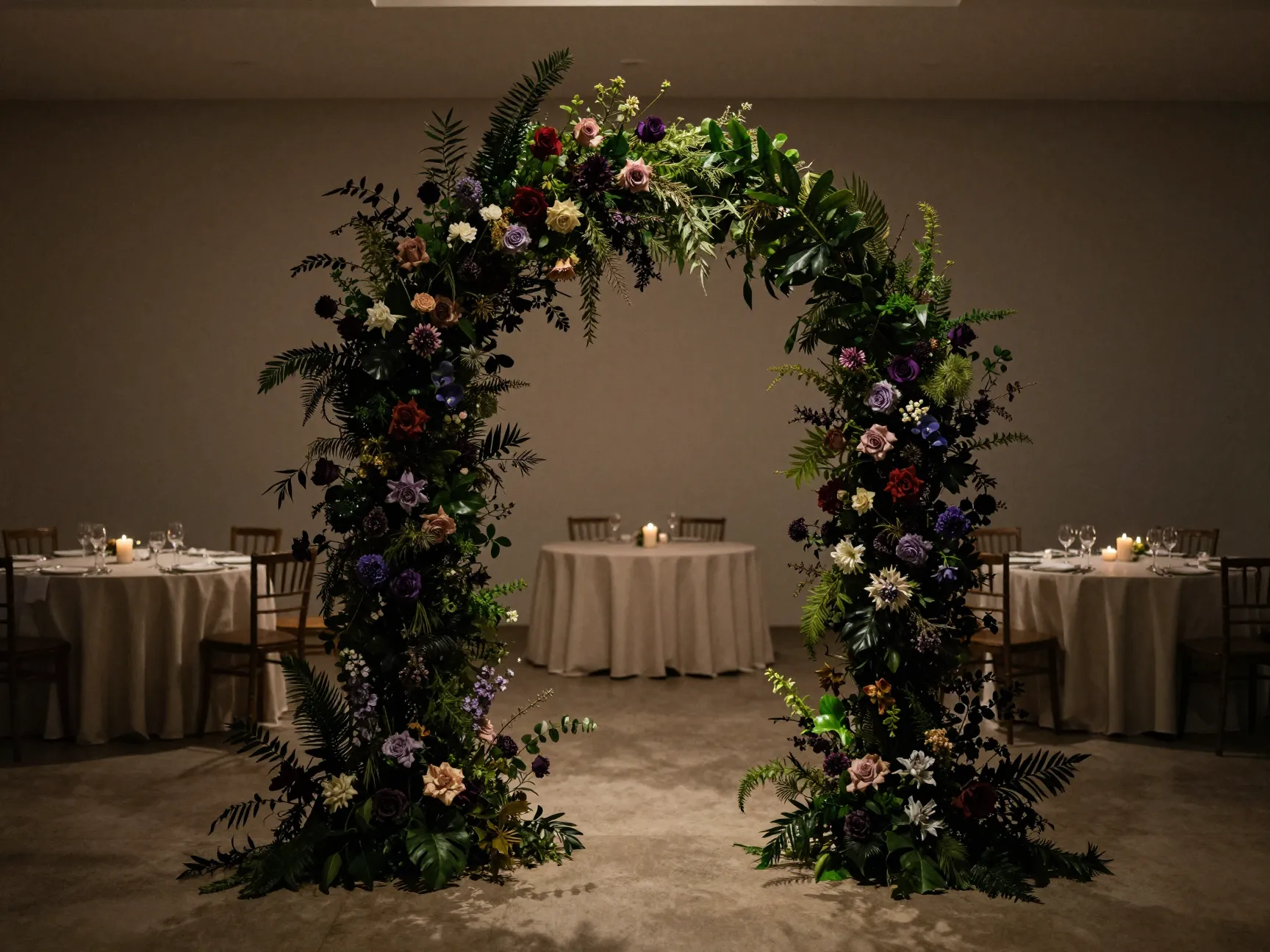
One of the biggest mistakes couples make is trying to make every corner of their venue look Instagram-worthy. The result? A scattered, overwhelming visual experience — and a planning process that nearly breaks them.
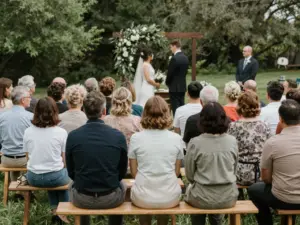
Professional planners use a concept called “hero moments” — two or three standout design focal points that anchor the entire event. Think a breathtaking ceremony arch, a jaw-dropping sweetheart table backdrop, or a show-stopping cake display. Everything else is kept simple and intentional [1].
Why this works:
| Approach | Guest Experience | Planning Stress | Budget Impact |
|---|---|---|---|
| Decorate everything equally | Visually scattered | Very high | Over budget |
| Focus on 2–3 hero moments | Memorable, cohesive | Manageable | On budget |
When you concentrate your energy and budget on a few key moments, those moments become genuinely memorable. Guests don’t notice that the cocktail hour tables were simple — they remember the ceremony arch that took their breath away.
Practical steps:
- Identify your top three “wow” moments before finalizing your decor budget
- Work with your florist and designer specifically on those focal points
- Use greenery, candles, and linen upgrades to elevate the rest without overspending
3. Book Your Photographer 12–18 Months in Advance — Not When You’re “Ready”

Most couples think they’ll book their photographer once they have a venue and a date locked in. Here’s the problem: by the time you feel “ready,” the photographer you love is already booked.
In 2026, popular wedding photographers are being booked 12 to 18 months in advance [2]. This isn’t an exaggeration — it’s a reality that catches hundreds of couples off guard every year. The best vendors in any market have limited availability, and they fill up fast.
The insider move: Start researching photographers before you’ve finalized your venue. Many photographers will hold a date for a short period with a small deposit while you confirm other details. This gives you the flexibility to secure your first choice without being locked in prematurely.
📌 Pro Tip: When interviewing photographers, ask to see a full gallery from a recent wedding — not just their highlight reel. A full gallery shows you how they handle less-than-perfect lighting, awkward family photos, and candid moments throughout the day.
What to prioritize when booking:
- Editing style consistency (not just their best shots)
- Personality fit — you’ll spend more time with your photographer than almost any other vendor
- Second shooter availability for larger weddings
- Contract clarity around image delivery timelines
4. Be Radically Explicit About Your Dress Code
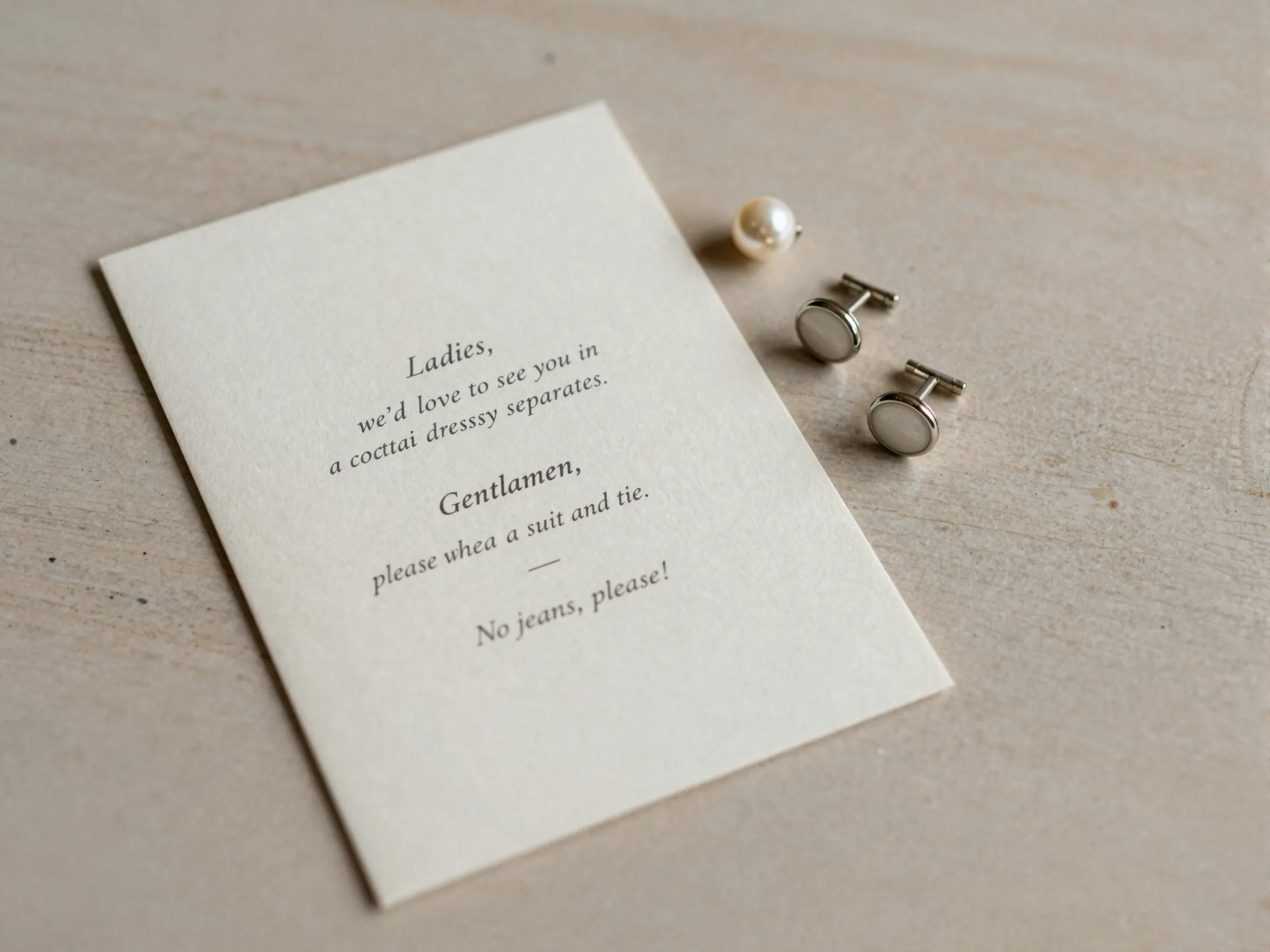
“Black tie optional.” “Garden party attire.” “Smart casual.”
These phrases mean completely different things to different people — and they generate an enormous volume of confused guest calls and texts to the couple and their families in the weeks before the wedding [1].
The insider tip here is deceptively simple: replace interpretable dress code language with specific, literal instructions.
Instead of “cocktail attire,” try:
“Ladies, we’d love to see you in a cocktail dress or dressy separates. Gentlemen, please wear a suit and tie. No jeans, please!”
This level of specificity does three things:
- ✅ Reduces guest anxiety about what to wear
- ✅ Cuts down on pre-wedding phone calls to your family
- ✅ Ensures your photos have a cohesive, intentional look
You can include this language on your wedding website, in your digital invitations, and in any follow-up communications. Don’t worry about being “too specific” — guests genuinely appreciate the clarity.
5. Build a 10–15% Budget Contingency From Day One

Every experienced wedding planner will tell you the same thing: unexpected costs are not the exception — they are the rule.
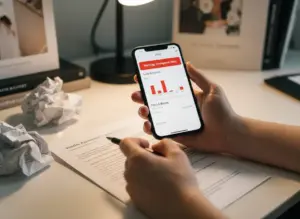
Guest list changes, a last-minute upgrade to the floral centerpieces, an additional hour of DJ time, a vendor who requires a higher deposit than expected — these expenses add up quickly. Couples who don’t plan for them end up making stressful, reactive decisions mid-planning [3].
The professional standard is a 10–15% contingency buffer built into your total budget from the very beginning. This isn’t money you plan to spend — it’s money you plan to have available if you need it.
Here’s how to structure it:
| Budget Category | Planned Amount | Contingency (12%) |
|---|---|---|
| Venue & catering | $15,000 | $1,800 |
| Photography & video | $5,000 | $600 |
| Florals & decor | $4,000 | $480 |
| Music & entertainment | $2,500 | $300 |
| Attire & beauty | $3,000 | $360 |
| Total | $29,500 | $3,540 |
Having this buffer doesn’t mean you’ll spend it. Many couples end the planning process with most of their contingency intact — and that’s a wonderful problem to have. What it does mean is that when something unexpected comes up (and it will), you won’t have to choose between your vision and your financial peace of mind.
6. Hire Niche Vendors for Your Most Memorable Elements
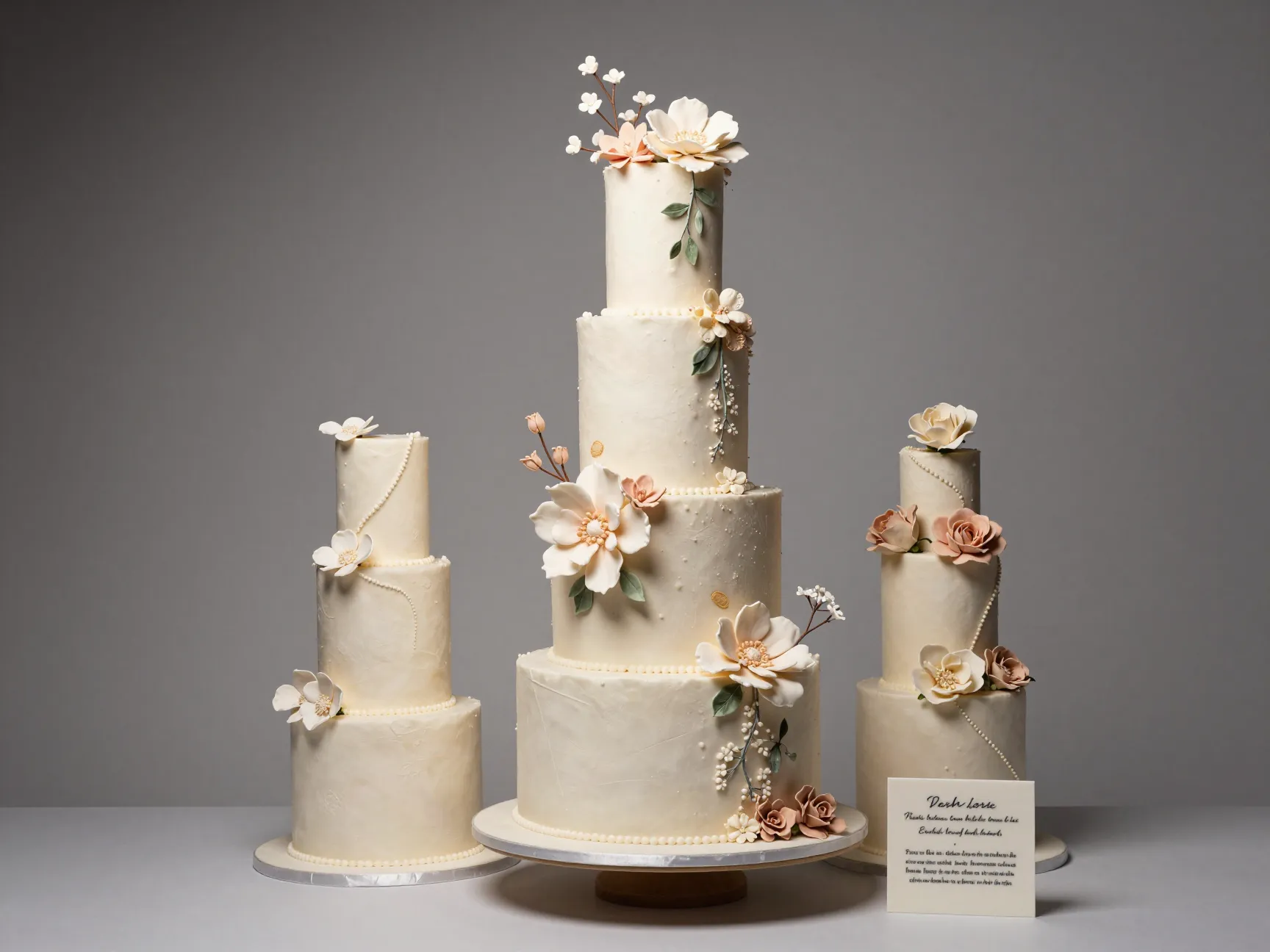
The wedding industry is shifting — and fast. Couples in 2026 are moving away from full-service vendors who do everything adequately and toward niche specialists who do one thing extraordinarily well [3].
Think about it this way: would you rather have a generic “event cake” from a caterer who also makes 200 other things, or a custom creation from a pastry artist who has spent years perfecting sugar flowers and flavor combinations?
Examples of niche vendors worth seeking out:
- 🎂 Specialty cake designers who focus exclusively on wedding cakes
- 💐 Artisanal florists who source from local or sustainable farms
- 🎭 Unique entertainment specialists (aerialists, live painters, caricature artists)
- 📸 Videographers who specialize in cinematic, film-style wedding videos
- 🍸 Cocktail curators who design a custom drink menu for your event
The key is to identify which two or three elements matter most to you and your partner, then invest in finding the best specialist in that category. This approach often delivers more impact than spreading your budget across many average vendors.
💬 *”Niche vendors don’t just provide a service — they bring a point of view. That’s what makes your wedding feel like *yours.”
7. Prepare Specific Day-Of Photography Details in Advance
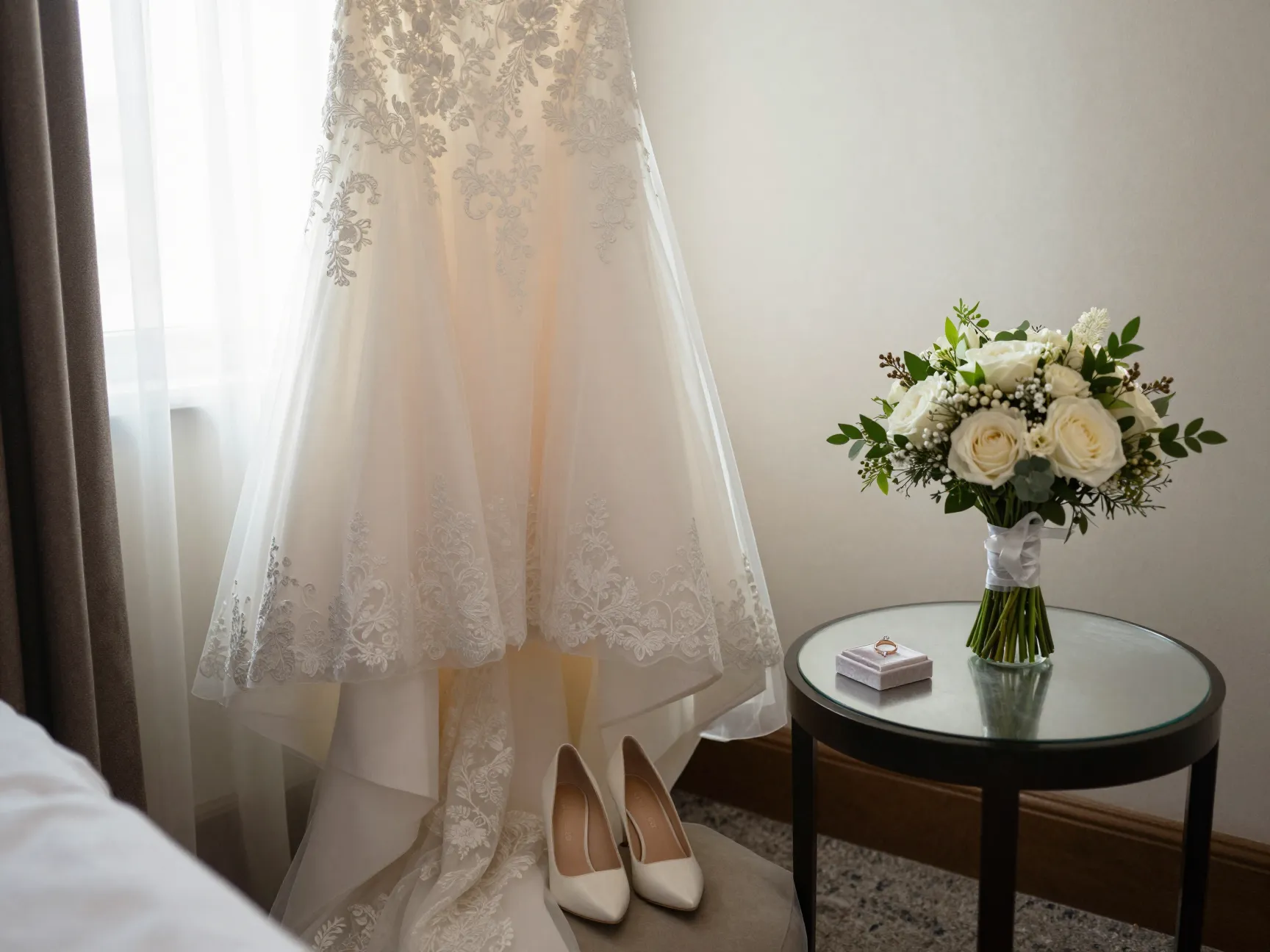
Here’s an insider tip that almost never makes it into mainstream wedding guides: the small logistical details you prepare for your photographer can dramatically change the quality of your photos.
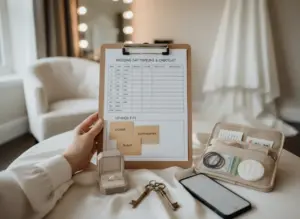
Professional photographers share a consistent list of things that, when done right, unlock better candid moments and detail shots [4]:
Before the wedding day:
- 💍 Have your engagement ring professionally cleaned — sparkle reads beautifully on camera
- 👗 Ensure your dress and shoes are accessible in the getting-ready space early in the morning
- 💐 Bring your bridal bouquet to the getting-ready location for detail shots before the ceremony
- 💍 Keep both wedding bands in the bride’s getting-ready room so the photographer can capture them together
On the day itself:
- Designate one trusted person (not the couple) to coordinate family groupings for formal portraits
- Share a specific shot list — but keep it to 20–25 must-have images, not 100
- Build buffer time into your timeline between the ceremony and reception for creative portraits
These aren’t glamorous tips. But they’re the difference between a gallery full of stunning, spontaneous moments and one that feels rushed and incomplete.
8. Book Your Venue and Gown Earlier Than You Think Is Necessary
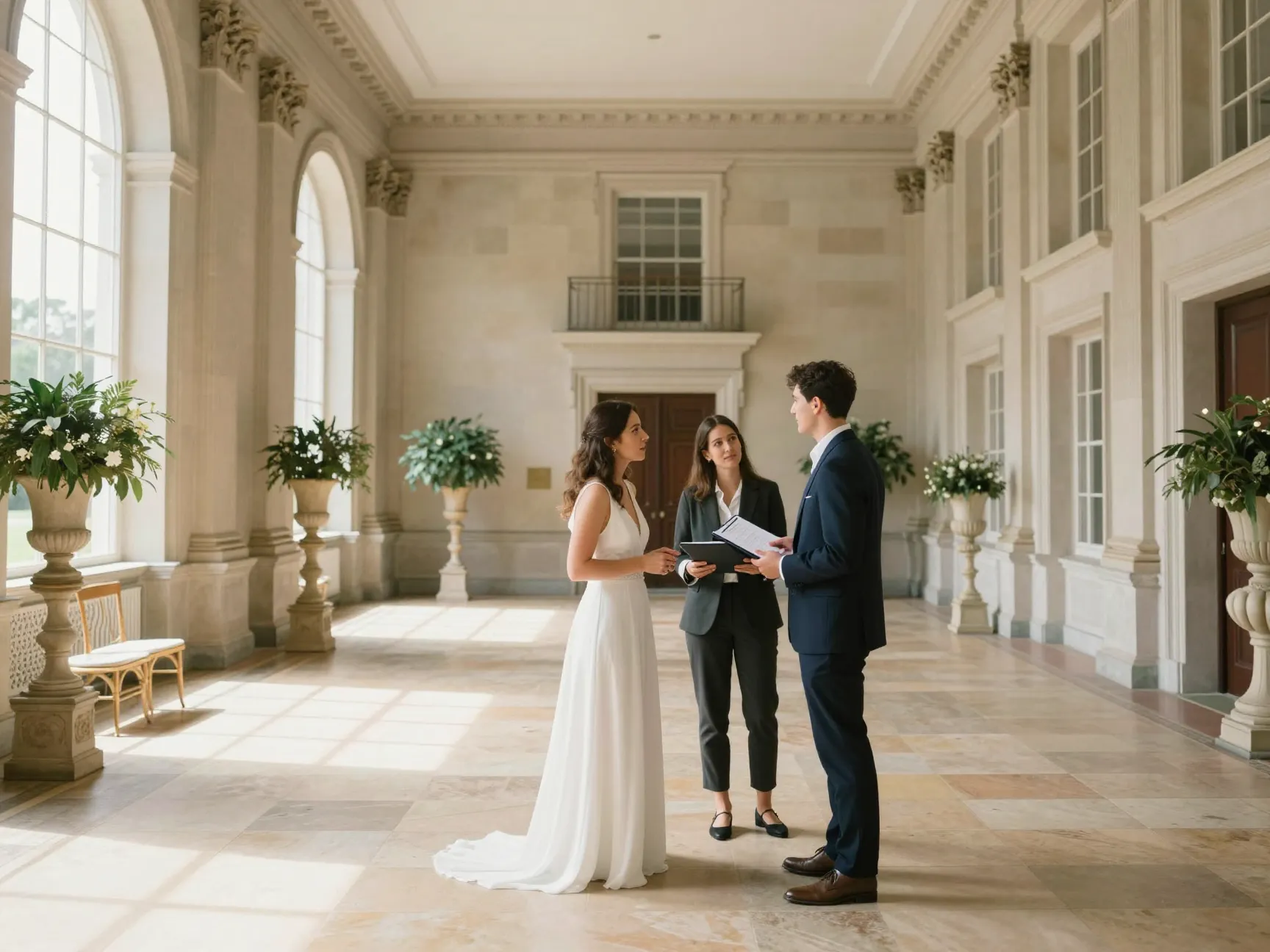
If there’s one area where couples consistently underestimate lead time, it’s venue and gown availability. In 2026, popular venues and bridal designers are reporting bookings that fill months — sometimes over a year — in advance [1][6].
This is especially true for:
- Venues with limited weekend availability (historic estates, boutique hotels, outdoor gardens)
- Designers who offer custom or semi-custom gowns with long production timelines
- Destination wedding locations with peak-season demand
The insider timeline to follow:
| Item | Ideal Booking Window |
|---|---|
| Venue | 12–18 months before wedding |
| Photographer | 12–18 months before wedding |
| Wedding gown | 10–12 months before (custom: 14–16 months) |
| Caterer / bar service | 9–12 months before |
| Florist | 8–10 months before |
| DJ / band | 9–12 months before |
| Hair & makeup | 6–9 months before |
The earlier you move on these bookings, the more options you have. Waiting until you feel “fully ready” to start booking often means settling for your second or third choice — or worse, scrambling at the last minute [2].
📌 Quick action step: Even if you’re not 100% sure about your date yet, start touring venues and scheduling consultations. Many couples find that the venue determines the date, not the other way around.
Bonus: The Mindset Shift That Ties All 8 Tips Together
All 8 insider wedding planner tips you haven’t heard before share a common thread: they require you to slow down before you speed up.
The couples who have the best planning experiences aren’t the ones who move the fastest or spend the most. They’re the ones who:
- Get clear on their priorities before making decisions
- Build systems (timelines, budgets, contingencies) that absorb surprises
- Trust specialists to do what they do best
- Communicate clearly and specifically — with vendors, guests, and each other
Wedding planning doesn’t have to be a source of stress. With the right strategies, it can actually be one of the most exciting and creative seasons of your life.
Conclusion: Your Next Steps Start Today
You now have 8 insider wedding planner tips you haven’t heard before — and more importantly, you know why each one matters. Here’s how to put them into action right now:
This week:
- Write down three to five words describing how you want your wedding day to feel
- Research photographers in your area and check their availability for your target date
- Set up a simple budget spreadsheet with a 10–15% contingency line built in
This month:
- Tour at least three venues, even if you’re not ready to book
- Identify your “hero moments” — the two or three design elements you want to invest in most
- Start a niche vendor list for your highest-priority categories
Before you send invitations:
- Draft your dress code language with specific, literal instructions
- Create a day-of photography prep checklist for your getting-ready team
The best weddings in 2026 won’t be the ones with the biggest budgets or the most elaborate decor. They’ll be the ones where every decision was made with intention — and every guest left feeling like they witnessed something truly personal and unforgettable.
Your wedding can be that. Start with these tips, and you’re already ahead.
References
[1] Wedding Predictions 2026 – https://www.veil-magazine.com/article/wedding-predictions-2026
[2] The Ultimate 2026 Wedding Planning Timeline Checklist – https://sarahvanheckephotography.com/2025/08/29/the-ultimate-2026-wedding-planning-timeline-checklist/
[3] Wedding Planning In 2026 What Couples Need To Know Now – https://www.justluxe.com/community/wedding-planning-in-2026-what-couples-need-to-know-now-920031049/
[4] Inside Weddings Planning Tips 2026 – https://www.insideweddings.com/news/planning-design/trends-planning-tips-2026-weddings-beyond/55397/
[6] The Ultimate 2026 Wedding Planning Checklist For Planners & Clients – https://www.harpsen.com/blog/the-ultimate-2026-wedding-planning-checklist-for-planners–clients