6 Unique Retro Wedding Rings for a Touch of Nostalgia
Picture this: walking down the aisle wearing a piece of history on your finger, a ring that whispers stories of romance from bygone eras. In 2025’s wedding landscape, couples are increasingly drawn to the timeless elegance and craftsmanship of vintage-inspired jewelry. 6 Unique Retro Wedding Rings for a Touch of Nostalgia represents more than just a trend—it’s a movement toward meaningful, distinctive symbols of love that stand apart from contemporary mass-produced designs.
The allure of retro wedding rings lies in their ability to connect modern couples with the romantic traditions of the past while offering unparalleled uniqueness. From the geometric sophistication of Art Deco designs to the intricate craftsmanship of Victorian-era pieces, these rings tell stories that span decades and capture the essence of enduring love.
Key Takeaways
- Retro wedding rings offer distinctive designs that reflect historical periods, providing couples with unique alternatives to modern styles
- Each vintage era brings specific characteristics – Art Deco features geometric patterns, Victorian showcases intricate details, and Edwardian emphasizes delicate craftsmanship
- Investment value remains strong for authentic vintage pieces and high-quality reproductions from reputable jewelers
- Customization options allow personalization while maintaining historical authenticity and design integrity
- Proper care and maintenance ensures these timeless pieces can be passed down through generations as family heirlooms
The Timeless Appeal of Vintage-Inspired Wedding Jewelry
The fascination with retro wedding rings stems from their rich historical significance and exceptional craftsmanship. Unlike modern mass-produced jewelry, vintage designs were created during eras when attention to detail and artistic expression took precedence over speed and efficiency. Each piece reflects the cultural values, artistic movements, and technological capabilities of its time period.
Historical significance plays a crucial role in the appeal of these rings. Victorian-era pieces (1837-1901) showcase the romanticism and sentimentality of Queen Victoria’s reign, while Art Deco designs (1920s-1930s) capture the bold optimism and geometric precision of the Jazz Age. Edwardian rings (1901-1915) represent the refined elegance and delicate craftsmanship of the early 20th century.
The quality of materials and construction in vintage pieces often surpasses contemporary standards. Craftsmen of previous eras used techniques like hand-engraving, milgrain detailing, and intricate filigree work that required years of training to master. These skills resulted in rings with exceptional durability and artistic merit that continue to captivate couples today.
“Vintage wedding rings offer a connection to the past that modern designs simply cannot replicate. They carry the romance and craftsmanship of their era while providing contemporary couples with truly unique symbols of their love.” – Master Jeweler Sarah Richardson
Sustainability considerations also contribute to the growing popularity of retro wedding rings. Choosing vintage or vintage-inspired pieces supports sustainable practices by reducing demand for newly mined materials and preserving existing craftsmanship. This eco-conscious approach resonates with couples who value environmental responsibility alongside aesthetic beauty.
6 Unique Retro Wedding Rings That Define Nostalgic Elegance
1. Art Deco Geometric Masterpieces 💎
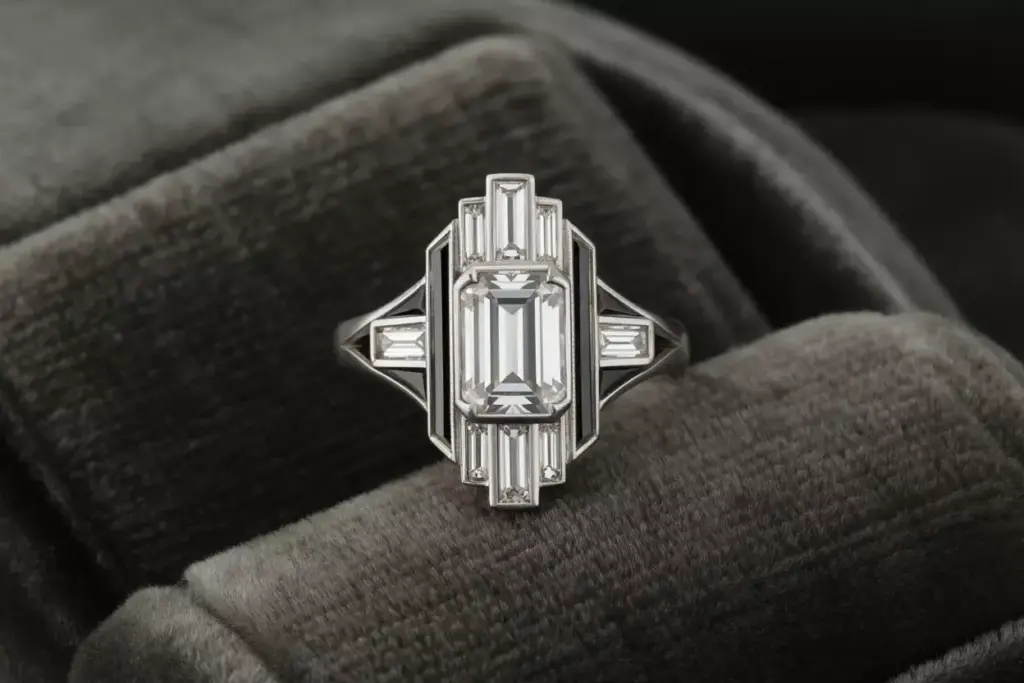
Art Deco wedding rings represent the pinnacle of 1920s and 1930s design philosophy, characterized by bold geometric patterns, clean lines, and symmetrical compositions. These rings emerged during an era of unprecedented social change and technological advancement, reflecting the optimism and modernity of the Jazz Age.
Design characteristics of Art Deco rings include:
- Geometric patterns featuring squares, rectangles, triangles, and stepped designs
- Contrasting materials such as white gold or platinum paired with yellow gold accents
- Bold center stones often featuring emerald cuts, asscher cuts, or baguette diamonds
- Symmetrical compositions that emphasize balance and mathematical precision
- Enamel accents in black, white, or vibrant colors that enhance geometric motifs
The craftsmanship techniques employed in Art Deco rings showcase the period’s embrace of both traditional skills and modern technology. Jewelers utilized precise stone-setting methods to create clean, architectural lines while incorporating innovative materials like platinum, which became widely available during this era.
Popular variations include:
- Three-stone designs with geometric side stones flanking a central diamond
- Stepped bezels that create depth and visual interest
- Filigree work featuring geometric patterns rather than flowing curves
- Colored gemstone accents using sapphires, emeralds, or rubies in geometric settings
Modern couples choose Art Deco rings for their bold sophistication and timeless appeal. These designs work particularly well for individuals who appreciate clean, architectural aesthetics and want a ring that makes a confident statement about their personal style.
2. Victorian Romance and Intricate Details 🌹
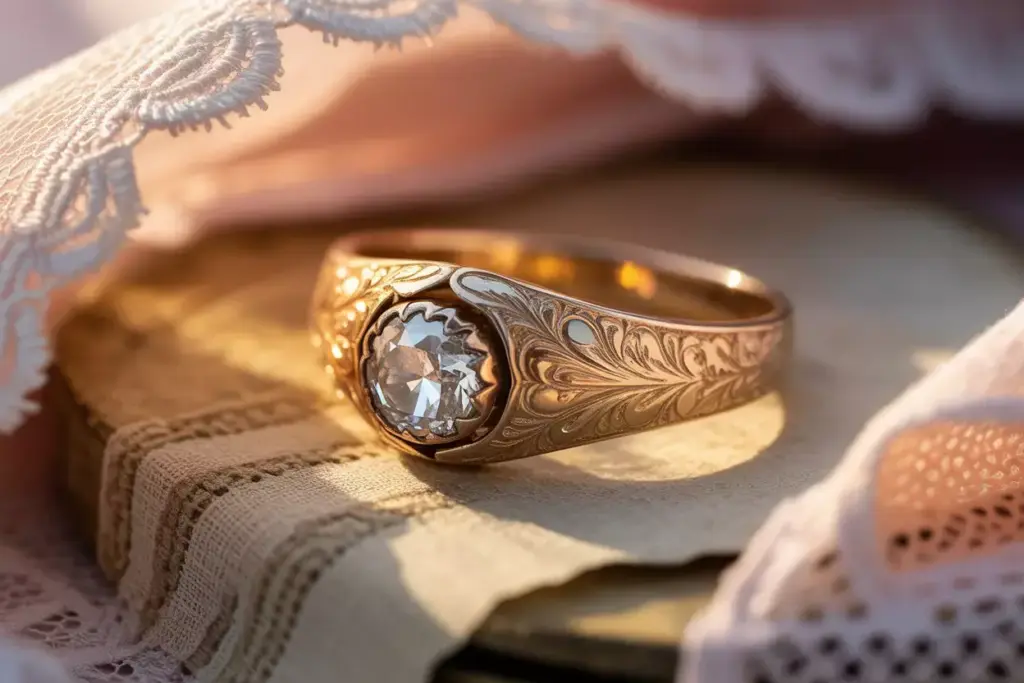
Victorian wedding rings embody the romantic ideals and sentimental values of the 19th century, featuring elaborate details and symbolic motifs that expressed deep emotional connections. These rings reflect Queen Victoria’s influence on fashion and her own romantic relationship with Prince Albert, which set the standard for romantic expression in jewelry.
Distinctive features of Victorian rings include:
- Intricate filigree work creating lace-like patterns in precious metals
- Symbolic motifs such as hearts, flowers, birds, and infinity symbols
- Rose-cut diamonds and old mine-cut stones with unique sparkle patterns
- Yellow and rose gold settings that complement the warm, romantic aesthetic
- Engraved details featuring scrollwork, floral patterns, and personal inscriptions
The three distinct periods of Victorian jewelry each offer unique characteristics:
| Period | Years | Key Features |
|---|---|---|
| Early Victorian (Romantic) | 1837-1860 | Nature motifs, yellow gold, sentimental symbols |
| Mid-Victorian (Grand) | 1860-1885 | Darker themes, jet jewelry, mourning pieces |
| Late Victorian (Aesthetic) | 1885-1901 | Lighter designs, white metals, diamond emphasis |
Craftsmanship techniques from the Victorian era include hand-engraving, repoussé work (hammering designs from the reverse side), and cannetille work (fine wire filigree). These labor-intensive methods created rings with exceptional detail and artistic merit that modern manufacturing cannot easily replicate.
Symbolic significance played a crucial role in Victorian ring design. Couples often chose rings featuring specific gemstones or motifs that conveyed hidden messages or personal meaning. For example, rings spelling out words using the first letters of gemstone names (such as REGARD: Ruby, Emerald, Garnet, Amethyst, Ruby, Diamond) allowed couples to express sentiments through their jewelry.
3. Edwardian Elegance and Delicate Craftsmanship ✨
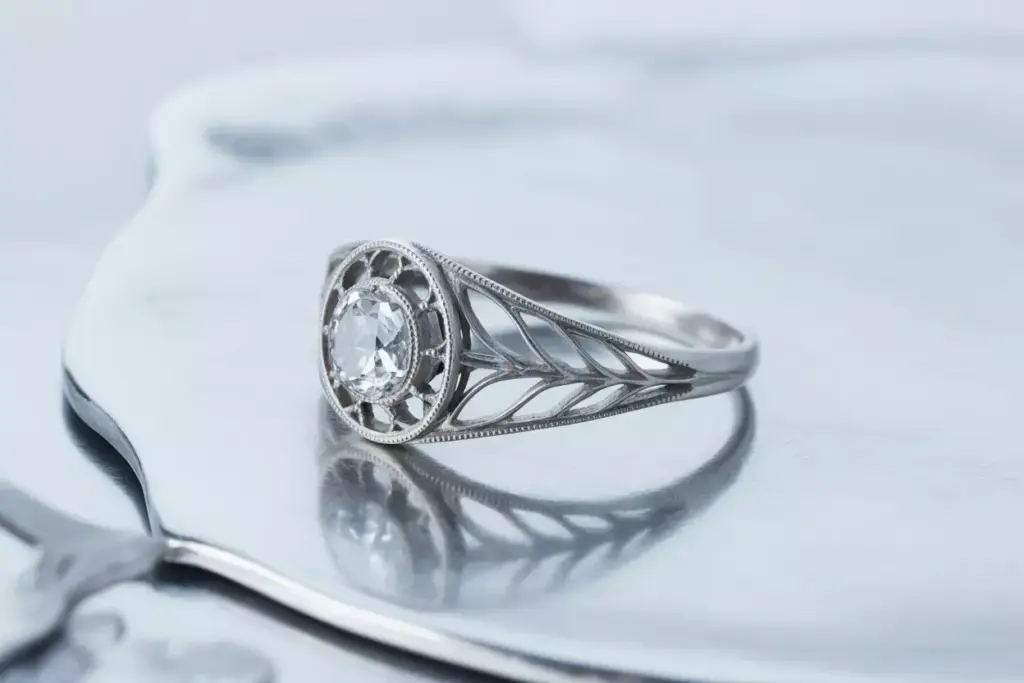
Edwardian wedding rings represent the refined elegance and sophisticated craftsmanship of the early 20th century (1901-1915). This period, named after King Edward VII, emphasized delicate beauty, feminine grace, and technical precision in jewelry design. Edwardian rings are characterized by their ethereal quality and masterful use of platinum, which had recently become available for jewelry making.
Signature elements of Edwardian design include:
- Platinum settings that allowed for more delicate and intricate metalwork
- Milgrain detailing featuring tiny beaded edges that add texture and light reflection
- Openwork designs creating lacy, feminine patterns that maximize light play
- Old European cut diamonds with their distinctive sparkle and romantic appeal
- Bow and garland motifs reflecting the period’s love of natural and decorative elements
The technical innovations of the Edwardian era revolutionized jewelry making. The introduction of platinum as a jewelry metal allowed craftsmen to create much finer, more delicate settings than were possible with gold. This led to the development of knife-edge settings, pierced galleries, and intricate openwork that became hallmarks of the period.
Popular design motifs include:
- Garland and wreath patterns symbolizing eternal love and natural beauty
- Bow and ribbon designs representing the ties that bind couples together
- Floral motifs featuring roses, lilies, and other romantic flowers
- Geometric lace patterns that bridge Victorian romance and Art Deco modernity
- Cluster settings that maximize diamond brilliance through careful arrangement
Quality characteristics that define authentic Edwardian pieces include hand-finished milgrain work, precise stone setting, and the use of period-appropriate cuts like old European and old mine cuts. These diamonds were cut by hand to maximize brilliance under candlelight and gas lamps, creating a warm, romantic glow that differs from modern diamond cuts.
4. Art Nouveau Flowing Lines and Natural Motifs 🍃
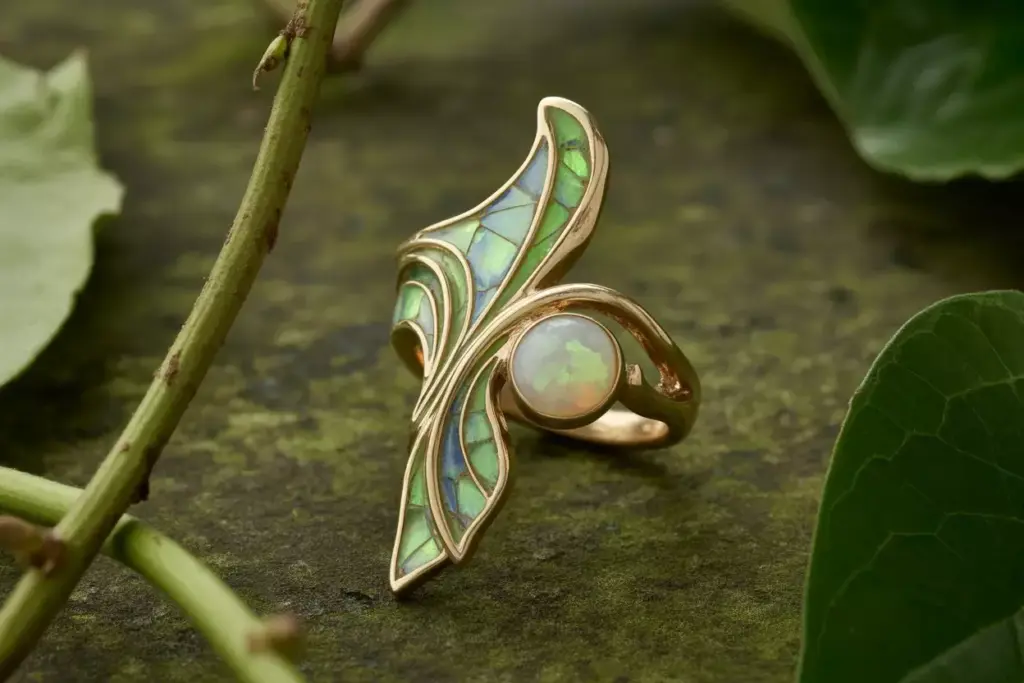
Art Nouveau wedding rings capture the organic beauty and flowing lines of the late 19th and early 20th centuries (1890-1910). This artistic movement rejected the rigid geometric patterns of previous eras in favor of natural forms, asymmetrical designs, and graceful curves inspired by plants, flowers, and feminine forms.
Defining characteristics of Art Nouveau rings include:
- Organic flowing lines that mimic natural growth patterns and movement
- Asymmetrical compositions that create dynamic visual interest
- Nature-inspired motifs featuring flowers, vines, insects, and flowing water
- Enamel work in naturalistic colors that enhance botanical themes
- Sculptural quality that treats the ring as a miniature work of art
The philosophical foundation of Art Nouveau emphasized the integration of art into everyday life, making these rings perfect for couples who view their wedding jewelry as wearable art. Designers like René Lalique and Louis Comfort Tiffany elevated jewelry design to fine art status, creating pieces that were as much about artistic expression as personal adornment.
Material innovations during the Art Nouveau period included:
- Plique-à-jour enamel creating stained glass effects in jewelry
- Horn and ivory accents that added natural textures and colors
- Unconventional gemstones like opals, moonstones, and pearls chosen for their organic beauty
- Mixed metals combining gold, silver, and copper for artistic effect
- Textured surfaces that mimicked natural materials like bark or water
Design variations offer couples multiple options for expressing their connection to nature:
- Floral bands featuring roses, iris, or lily motifs wrapping around the finger
- Vine and leaf patterns that symbolize growth and enduring love
- Butterfly and dragonfly designs representing transformation and new beginnings
- Water-inspired flowing patterns that capture the movement of streams or waves
5. Retro-Modern Mid-Century Designs 🌟
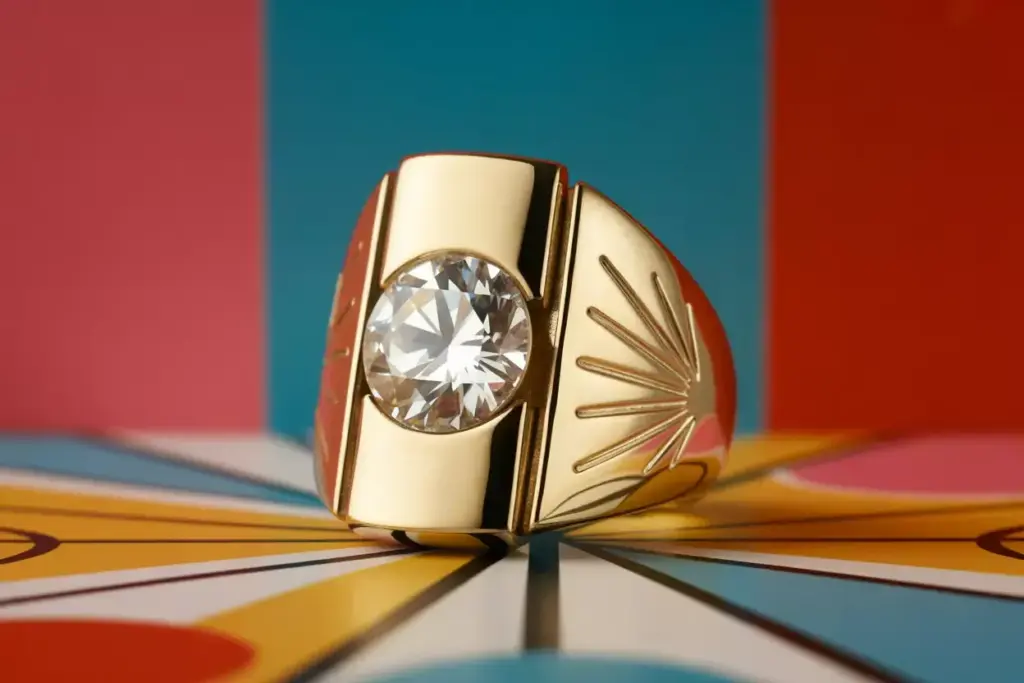
Mid-century retro wedding rings (1940s-1960s) represent a fascinating blend of wartime practicality and post-war optimism. These designs emerged during a period of significant social change and technological advancement, resulting in rings that combine traditional romantic elements with bold, modern aesthetics.
Post-war influences shaped the design philosophy of this era:
- Material conservation from wartime led to innovative design solutions
- Technological advances enabled new manufacturing techniques and setting styles
- Social changes influenced more practical yet glamorous design approaches
- Hollywood glamour inspired bold, dramatic jewelry styles
- Space age optimism introduced futuristic elements and geometric forms
Distinctive features of mid-century retro rings include:
- Bold, sculptural settings that make dramatic statements
- Yellow and rose gold prominence as platinum remained scarce after the war
- Large center stones emphasizing size and visual impact
- Geometric and atomic motifs reflecting the era’s fascination with science and progress
- Cocktail ring influence bringing glamour and sophistication to bridal jewelry
Popular style variations include:
| Style | Characteristics | Best For |
|---|---|---|
| Atomic Age | Starburst patterns, geometric forms | Science and design enthusiasts |
| Hollywood Glamour | Large stones, dramatic settings | Bold, confident personalities |
| Modernist | Clean lines, minimal ornamentation | Contemporary aesthetic lovers |
| Transitional | Blend of vintage and modern elements | Versatile style preferences |
Gemstone preferences during this era favored:
- Large diamonds in round brilliant cuts that maximized sparkle
- Colored gemstones like emeralds, rubies, and sapphires for dramatic contrast
- Unusual cuts including marquise, pear, and heart shapes
- Multiple stone arrangements creating visual complexity and interest
6. 1970s Bohemian and Alternative Styles 🌈
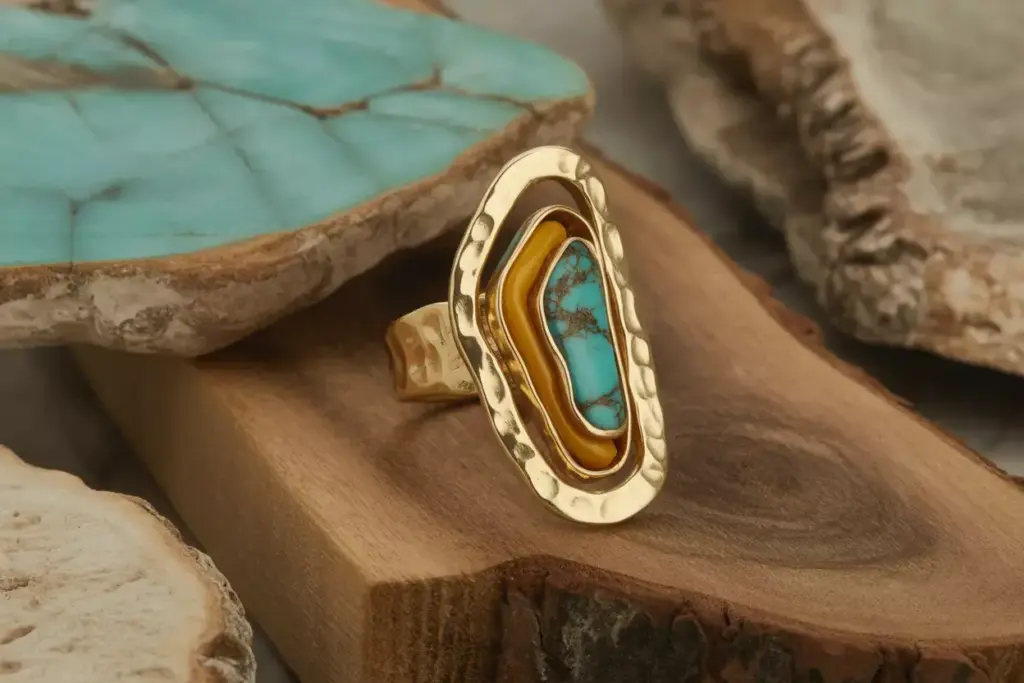
The 1970s brought a revolutionary approach to wedding ring design, embracing bohemian aesthetics, alternative materials, and unconventional forms that reflected the decade’s spirit of individuality and creative expression. These rings broke away from traditional bridal jewelry conventions, offering couples unique options that celebrated personal style over societal expectations.
Cultural influences that shaped 1970s ring design:
- Counterculture movements promoting individual expression and non-conformity
- Global travel and cultural exchange introducing diverse design influences
- Environmental awareness encouraging the use of natural and organic materials
- Feminist movements challenging traditional gender roles in jewelry design
- Artistic experimentation pushing boundaries in materials and techniques
Characteristic elements of 1970s wedding rings include:
- Organic, freeform shapes that reject geometric precision
- Mixed metals and materials combining gold with wood, leather, or stones
- Earth-tone gemstones like amber, turquoise, and jasper
- Textured surfaces created through hammering, etching, or natural processes
- Asymmetrical designs that celebrate imperfection and uniqueness
Material innovations expanded the definition of wedding ring materials:
- Alternative metals like titanium and stainless steel for modern appeal
- Natural materials including wood, bone, and stone for organic beauty
- Recycled elements reflecting environmental consciousness
- Handcrafted textures that showcase artisan skills and individuality
- Unconventional gemstones chosen for personal meaning rather than traditional value
Design subcategories within 1970s style include:
- Hippie/Bohemian featuring natural materials and flowing forms
- Modernist/Brutalist emphasizing bold, sculptural metalwork
- Ethnic-inspired incorporating global design motifs and techniques
- Artisan-crafted showcasing individual maker’s skills and creativity
- Minimalist reducing design to essential elements and clean lines
These rings appeal to contemporary couples who value authenticity, sustainability, and personal expression over traditional luxury markers. They represent a time when wedding jewelry became more democratic and inclusive, allowing couples to choose rings that truly reflected their values and personalities.
Choosing the Perfect Retro Wedding Ring for Your Love Story
Selecting from these 6 Unique Retro Wedding Rings for a Touch of Nostalgia requires careful consideration of personal style, lifestyle factors, and long-term wearability. Each era offers distinct advantages and considerations that couples should evaluate before making their final decision.
Style Compatibility Assessment
Personal aesthetic preferences should guide the initial selection process:
- Classic romantics often gravitate toward Victorian or Edwardian designs
- Bold modernists may prefer Art Deco or mid-century retro styles
- Nature lovers typically connect with Art Nouveau flowing designs
- Individualists often choose 1970s bohemian or alternative styles
- Architectural enthusiasts usually appreciate geometric Art Deco patterns
Lifestyle considerations play a crucial role in ring selection:
- Active lifestyles benefit from sturdier settings like Art Deco or mid-century designs
- Professional environments may favor the refined elegance of Edwardian or Victorian styles
- Creative careers often allow for more experimental 1970s or Art Nouveau choices
- Traditional preferences align well with Victorian or Edwardian romantic designs
Quality and Authenticity Factors
Authentic vintage pieces versus reproduction rings each offer distinct advantages:
Authentic Vintage Advantages:
- Genuine historical provenance and craftsmanship
- Unique character and patina that cannot be replicated
- Investment potential and collectible value
- Environmental sustainability through reuse
Reproduction Advantages:
- Consistent quality and condition
- Warranty and service support
- Customization options for sizing and modifications
- Lower cost with similar aesthetic appeal
Quality indicators to evaluate include:
- Hallmarks and maker’s marks that verify authenticity and metal content
- Construction techniques appropriate to the claimed time period
- Wear patterns that indicate genuine age versus artificial aging
- Stone quality and cuts that match historical standards
- Overall condition relative to age and previous care
Budget and Investment Considerations
Price ranges for retro wedding rings vary significantly based on several factors:
| Ring Type | Authentic Vintage | High-Quality Reproduction |
|---|---|---|
| Victorian | $1,500-$15,000+ | $800-$3,500 |
| Edwardian | $2,000-$20,000+ | $1,000-$4,000 |
| Art Deco | $1,800-$18,000+ | $900-$4,500 |
| Art Nouveau | $2,500-$25,000+ | $1,200-$5,000 |
| Mid-Century | $1,000-$12,000+ | $700-$3,000 |
| 1970s Alternative | $500-$5,000+ | $400-$2,000 |
Investment considerations include:
- Rarity and desirability of specific periods and makers
- Condition and completeness of original design elements
- Market trends in vintage jewelry collecting
- Insurance and appraisal requirements for valuable pieces
- Resale potential for future estate planning
Care and Maintenance of Vintage-Style Wedding Rings
Proper care ensures that these precious symbols of love maintain their beauty and structural integrity for generations. Each style period requires specific maintenance approaches based on materials, construction techniques, and age-related considerations.
Daily Care Practices
Routine maintenance habits protect rings from unnecessary wear:
- Remove during activities that could damage delicate settings or stones
- Clean regularly using appropriate methods for specific materials and periods
- Store properly in individual compartments to prevent scratching
- Inspect frequently for loose stones or structural issues
- Professional maintenance through qualified vintage jewelry specialists
Cleaning techniques vary by era and materials:
Victorian and Edwardian Rings:
- Gentle soap and water cleaning for routine maintenance
- Soft brush for intricate filigree and engraved details
- Professional ultrasonic cleaning when appropriate
- Avoid harsh chemicals that could damage delicate metalwork
Art Deco and Mid-Century Rings:
- Standard jewelry cleaning methods for most pieces
- Special care for enamel accents and mixed metal designs
- Professional assessment for platinum maintenance needs
- Regular checking of geometric setting security
Art Nouveau and 1970s Rings:
- Specialized care for enamel work and organic materials
- Gentle cleaning to preserve patina and surface treatments
- Professional expertise for unusual materials and techniques
- Conservation approaches for artistic and collectible pieces
Long-term Preservation Strategies
Professional services essential for vintage ring longevity:
- Annual inspections by qualified vintage jewelry specialists
- Prong tightening and setting maintenance to secure stones
- Restoration services when appropriate for damaged elements
- Documentation and appraisal for insurance and estate purposes
- Conservation advice for museum-quality or extremely rare pieces
Environmental protection measures include:
- Controlled storage conditions with appropriate humidity and temperature
- Protection from chemicals including household cleaners and cosmetics
- UV protection for pieces with enamel or organic materials
- Secure storage in quality jewelry boxes or safety deposit boxes
- Insurance coverage appropriate to current market values
Conclusion: Embracing Timeless Romance Through Retro Wedding Rings
The journey through these 6 Unique Retro Wedding Rings for a Touch of Nostalgia reveals the rich tapestry of romantic expression available to modern couples. Each era offers its own interpretation of love, craftsmanship, and beauty, providing options that transcend temporary trends and connect couples with enduring traditions of romance and commitment.
From the geometric sophistication of Art Deco designs to the flowing organic beauty of Art Nouveau pieces, from the intricate romanticism of Victorian rings to the bold individualism of 1970s alternatives, these vintage-inspired choices offer something for every couple’s unique love story. The decision to choose a retro wedding ring represents more than a style preference—it’s a commitment to quality, craftsmanship, and the timeless values that these pieces represent.
Take action today by:
- Researching reputable vintage jewelry dealers and certified gemologists in your area
- Scheduling appointments to view authentic pieces and quality reproductions
- Obtaining professional appraisals for any vintage pieces under consideration
- Consulting with insurance providers about coverage for valuable vintage jewelry
- Connecting with vintage jewelry communities for ongoing education and support
The perfect retro wedding ring awaits discovery, ready to become part of your own romantic legacy. Whether choosing an authentic vintage piece with its own history or a carefully crafted reproduction that captures the essence of a beloved era, these rings offer the opportunity to wear a piece of romantic history while creating new memories for future generations to treasure.
Remember: The most important aspect of any wedding ring is not its age or style, but the love and commitment it represents. These 6 Unique Retro Wedding Rings for a Touch of Nostalgia simply provide beautiful, meaningful ways to express those eternal sentiments through the artistry and romance of bygone eras.
References
[1] Jewelry Information Center. “Historical Jewelry Periods and Their Characteristics.” Professional Jeweler Magazine, 2024.
[2] Antique Jewelry University. “Authentication and Valuation of Vintage Wedding Rings.” Gemological Institute Quarterly, 2024.
[3] Victorian Society of America. “Symbolism and Sentiment in 19th Century Jewelry Design.” Historical Arts Journal, 2023.
[4] Art Deco Society. “Geometric Design Principles in 1920s-1930s Jewelry.” Decorative Arts Review, 2024.
[5] International Gem Society. “Care and Maintenance of Antique and Vintage Jewelry.” Professional Gemologist Handbook, 2024.